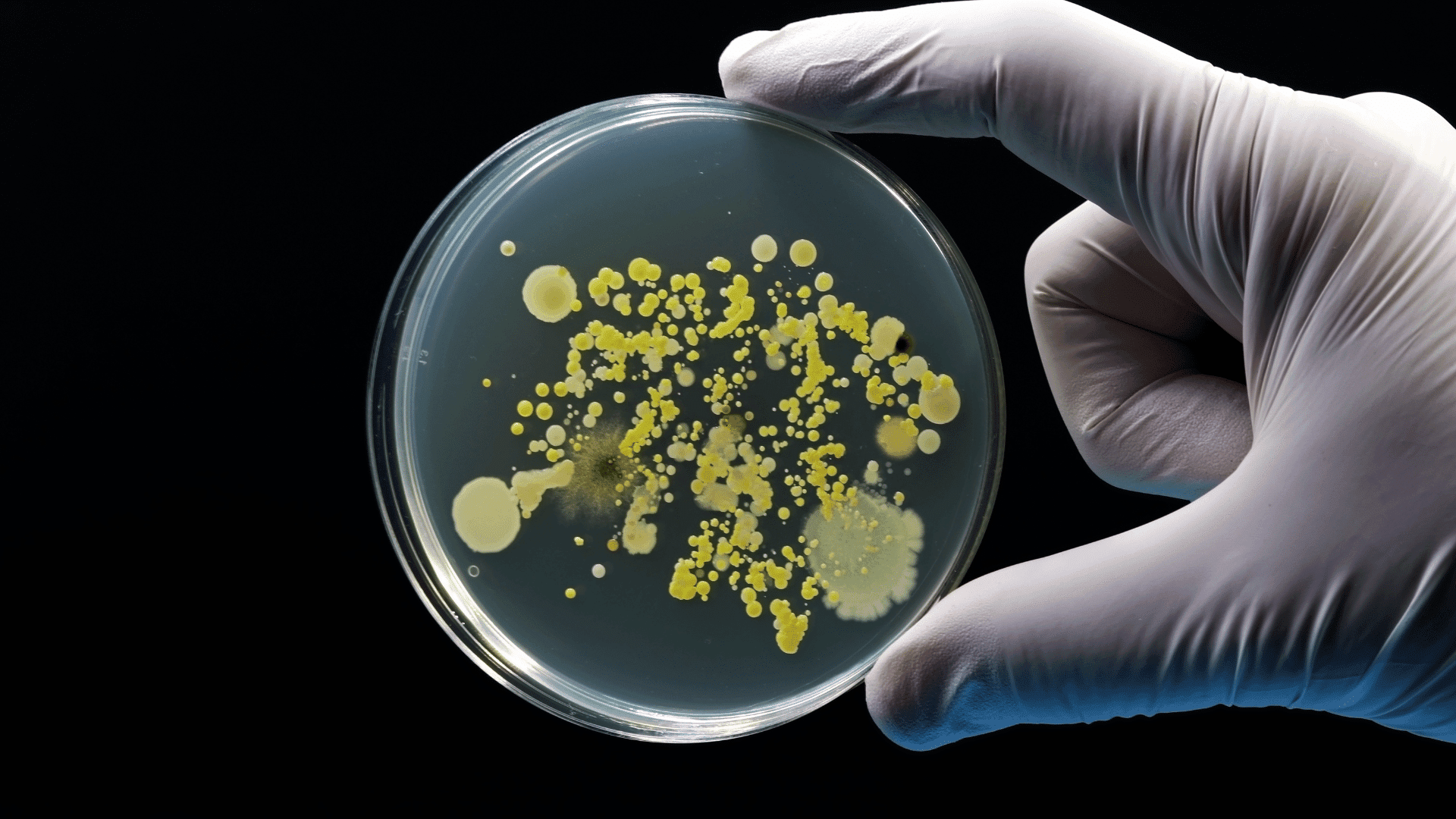
For over a century, cleaning products have relied on quaternary ammonium compounds, or QACs, to kill bacteria. However, bacteria are smart and have evolved into tough superbugs that survive these cleaners.
Finding new QACs takes a long time because scientists normally design them one at a time. So, Liang Zhao, a computer science professor, wondered if AI could help speed that up.
“The design of new molecules is traditionally done one at a time by humans in a chemistry lab,” Zhao said. “But an AI model can give you thousands of new designs in one go.”
AI Tested and Refined
The team trained their AI using a dataset of 603 existing QAC molecules. In their first test, the AI generated 300 designs. Humans reviewed them and found that while some were useful, many were not new.
Advertisement
So the team refined the AI and cleaned up their dataset to include only compounds that worked against four dangerous types of bacteria. The AI then generated 2,000 new ideas. The computer filtered out the bad ones, leaving 300 top options. This time, 38 percent of the compounds were good candidates for testing.
The chemists synthesized 29 of these molecules in the lab and eventually produced 11 new QACs.
“We believe this is the first example of using AI to generate molecules for disinfectants,” said Bill Wuest, Emory professor of chemistry and a senior author of the study. “As an experimental chemist, I find it remarkable to see a machine help design new chemicals.”
“One of these QACs especially stands out for having broad activity against all seven strains of bacteria that we used in the testing,” Wuest said. “That’s including gram-negative bacteria, which are the hardest to kill.”
“We built an effective feedback loop between AI research, computational biochemistry and experimental chemistry,” says Liang Zhao, Emory associate professor of computer science. “While we proved that our concept works to generate QACs, we also think that a broad range of scientific areas could benefit from it.”
“Meanwhile, this research yielded a laundry list of lead compounds for us to study,” Wuest added. “We are having undergraduates synthesize and test more of the generated compounds, which is good training for them and will likely lead to more discoveries.”
 Read Exclusive Stories
 Bookmark & Save Articles For Later