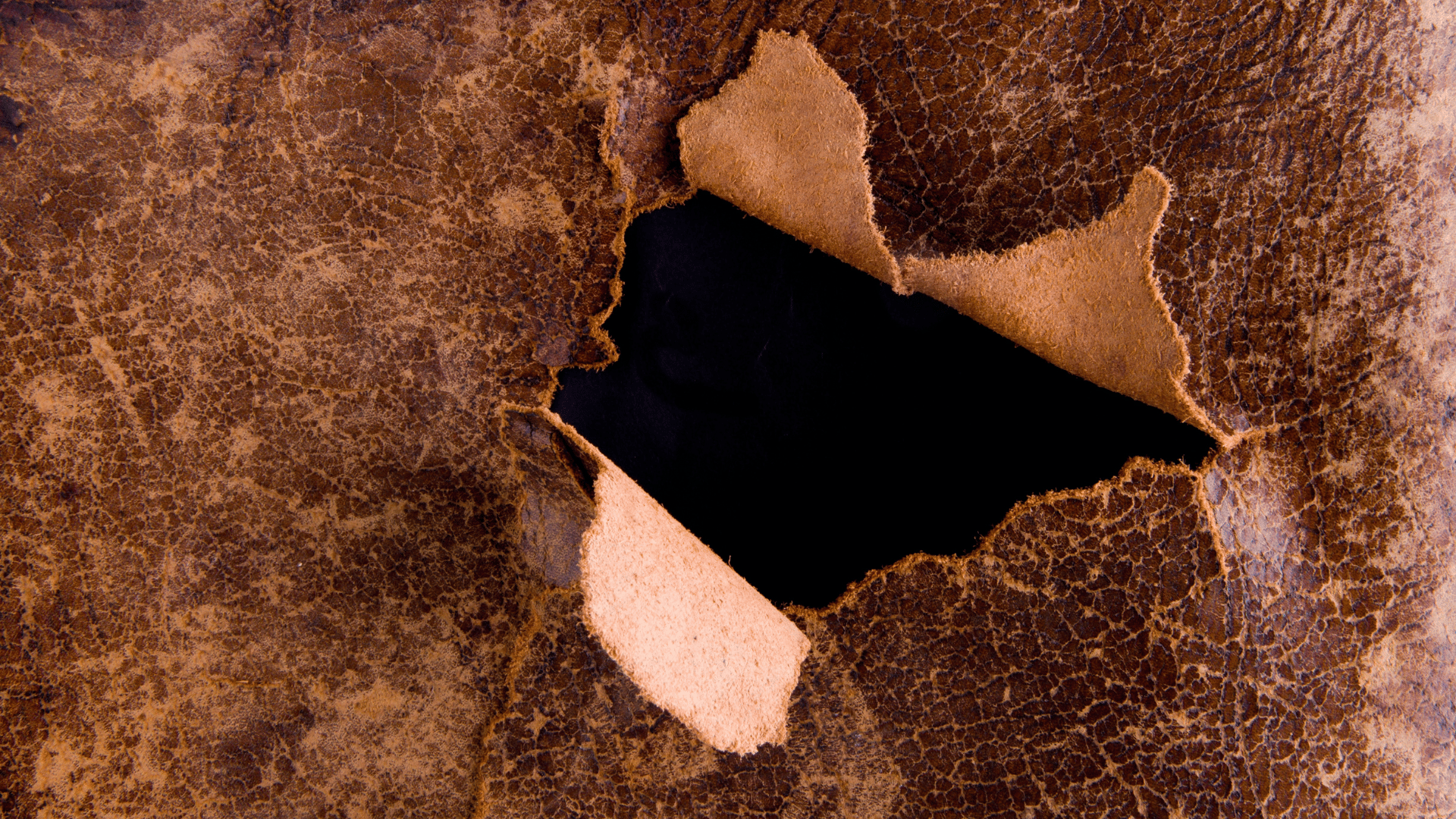
Leather is one of those materials we just take for granted. It’s everywhere. It’s in our cars, on our feet, and in our wallets. People have been working with animal hides for thousands and thousands of years. It’s actually a messy and tough process, but it taught us a lot about how to make things last. We learned how fibers intertwine to create something that is both flexible and strong.
But traditional leather production has some big downsides. It takes a lot of land and water to raise cattle. Then, the tanning process usually involves heavy chemicals that aren’t great for the environment. This is where the ‘World of Creation‘ is starting to change. We are learning from old-school leather workers and putting their techniques to the test in a lab.
Instead of raising an entire animal, scientists are now growing the material itself. One of the most interesting ways they do this is with mushrooms. Specifically, they use the root structure called mycelium. If you’ve ever seen a mushroom in the woods, you know it feels a bit spongy. But when you grow mycelium in a controlled environment, it forms a dense mat of fibers.
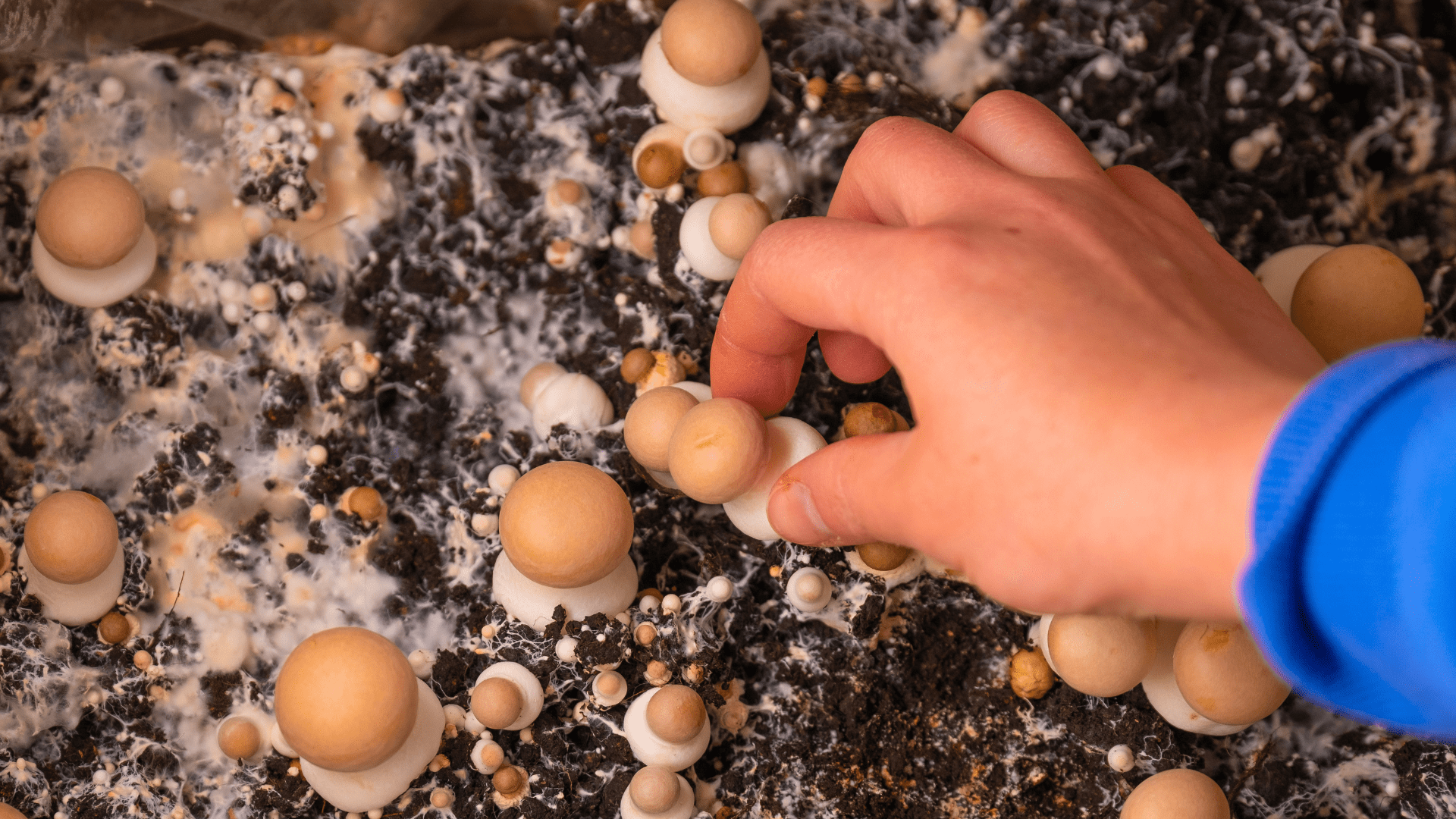
Engineers feed these mushroom roots simple things like sawdust or agricultural waste. In just a couple of weeks, they will have a big sheet of material that looks and feels remarkably like animal skin. The best part? It doesn’t have the “waste” of a natural hide. A cow hide has a specific shape and might have scars or bug bites that a designer has to work around. A lab-grown sheet is a perfect rectangle each and every time.
Another method involves yeast. This is basically brewing leather like you’d brew a batch of beer. Scientists “program” the yeast to produce collagen. Collagen is the main protein found in skin that gives leather its strength. They harvest this collagen and then press it into sheets. It’s a direct link between biology and manufacturing.
Here’s the thing, though: it isn’t perfect yet. While these lab-grown textiles are a great idea, they are still pretty expensive to make. You can’t just go to a regular store and buy a mushroom-leather jacket for a inexpensive price. There’s also the issue of feel. Real leather has a specific way it breathes and ages over time. Lab versions are getting close, but some still feel a bit like plastic or thick paper.
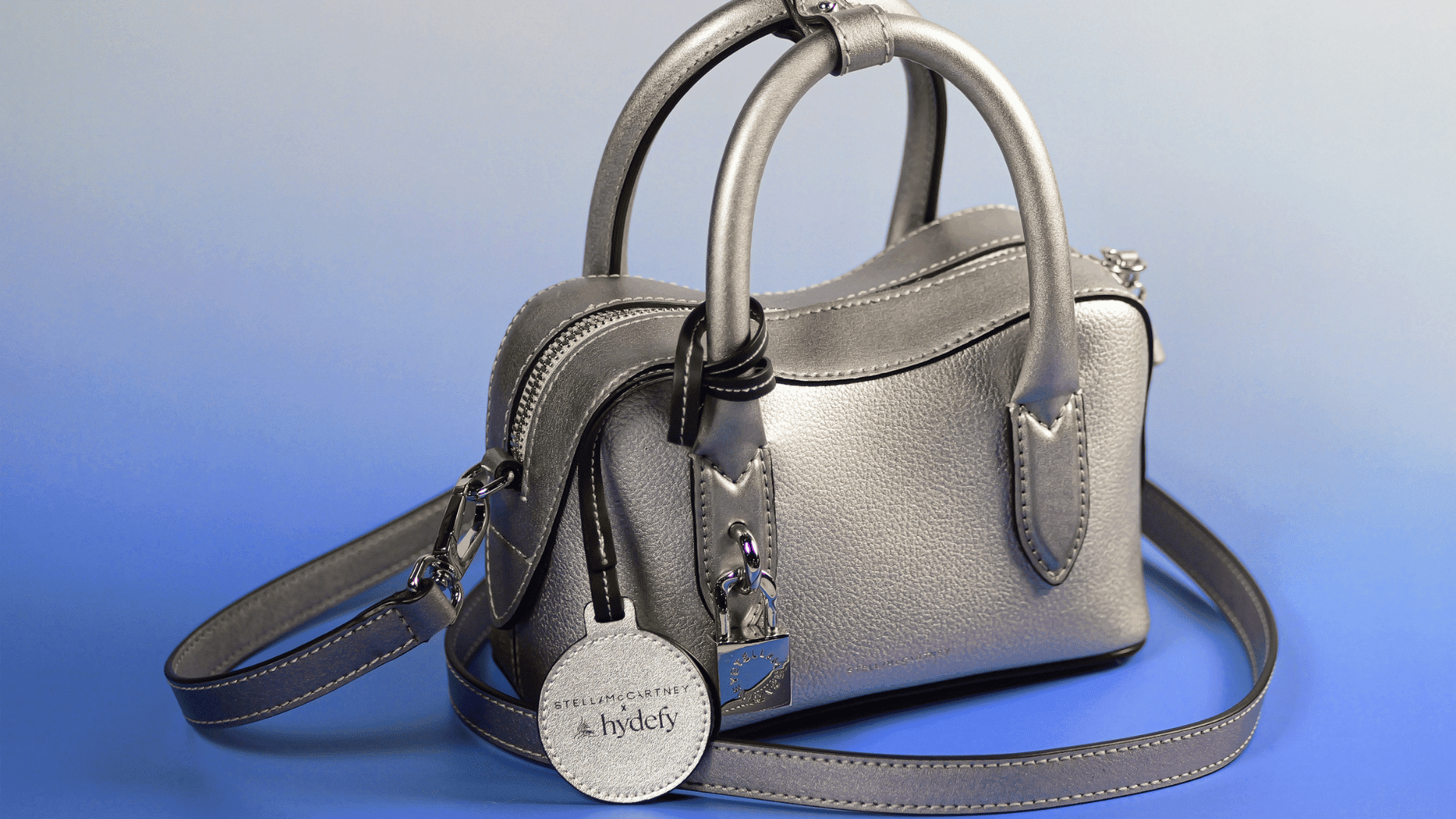
Still, the progress is amazing. We are seeing a mix of biology and traditional craft. Designers are taking these lab-grown sheets and using the same stitching and finishing techniques that cobblers and saddlemakers have used for centuries. It’s a great example of how we can use new technology to solve old problems without losing the quality we’ve come to expect. We are just finding a cleaner way to build the materials we love.
Advertisement
 Read Exclusive Stories
 Bookmark & Save Articles For Later