The Victoria and Albert Museum in London just reopened its Design 1990-Now galleries, which trace the history of how design shapes modern life.
Tracing Design Through History
The galleries span two rooms on the museum’s upper floors. The exhibition covers six themes, including housing and living, consumption and identity, and crisis and conflict.
With 60 new additions, the entire collection contains 250 exhibits. And the show highlights different takes on one theme across decades. For example, the women at work section features a power suit from 1986 through a pair of fast-fashion jeans, similar to those made in the factories in Bangladesh that collapsed due to a structural failure.
Corinna Gardner, the V&A’s senior curator of design and digital, worked on the update. “The ambition of these galleries has always been to think that everybody who enters these spaces wakes up in the 21st century,” she said at a preview. “So how can we inform an understanding of today through the past? But also maybe think about a collective sense of what a future that we all might want can be, and the role design plays within that? It’s material things through which we navigate our place in the world.”
Advertisement
The manufacturing-at-scale section offers new insights into everyday objects, such as an Ikea lamp.
“It’s designed as much to be compact for transport as it is to be beautiful in the home,” says Gardner.
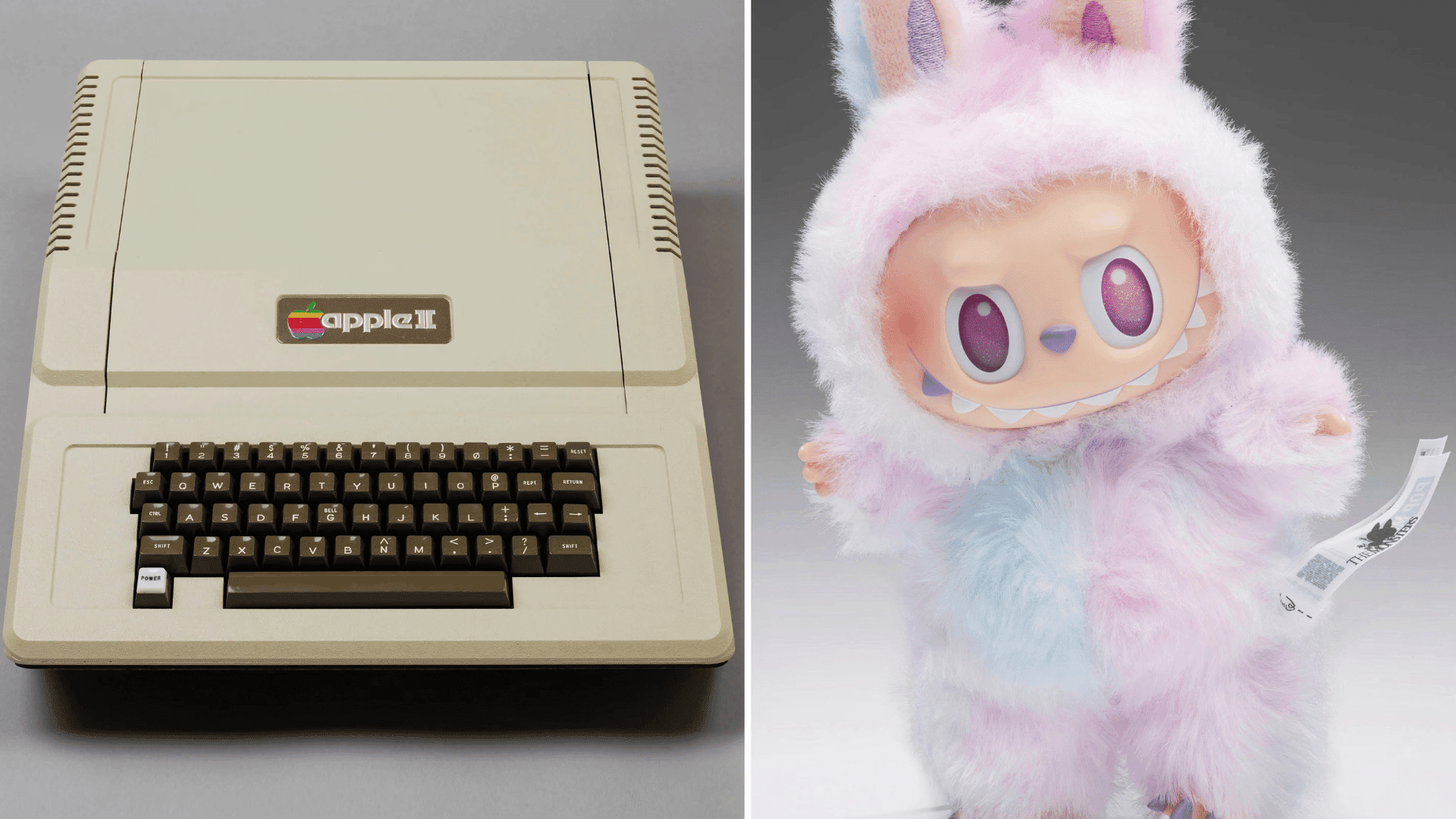
Viewers are shown the inspiration behind the first-ever baby monitor, which was designed by Isamu Noguchi in 1937, and was inspired by the Lindbergh baby kidnapping five years earlier. They’ll also see an Apple home computer from 1977, alongside an ad suggesting the benefits of working from home, showcasing the inception of a practice that’s now become mainstream.
The final section of the exhibition features data, communication, and design from the last 25 years. This section includes the modern Labubu to showcase how design can sometimes disrupt our usual environment.
“One of my favourite moments as we’ve been reinstalling these galleries has been the giggles from the librarians because they were looking down at the Labubu,” says Gardner.
Such reactions are what the V&A wants from the reworking of the gallery – whether from staff members, regular visitors or school groups of children and teenagers who might be surprised to see Labubus, football shirts or iPhones in a gallery. “Design museums, typically and historically, have been about celebrating excellence, and they do that very well,” she says. “These galleries are very much intended to be discursive …. The ambition is to be really expansive and open about that question of what design is.”