We buy a lot of stuff. When something as simple as a coffee mug breaks, we typically throw it in the trash. It’s the most sensible decision, since mugs are cheap and it takes two seconds to order another one online.
Yet what if the act of breaking something is not a reason to toss it in the trash?
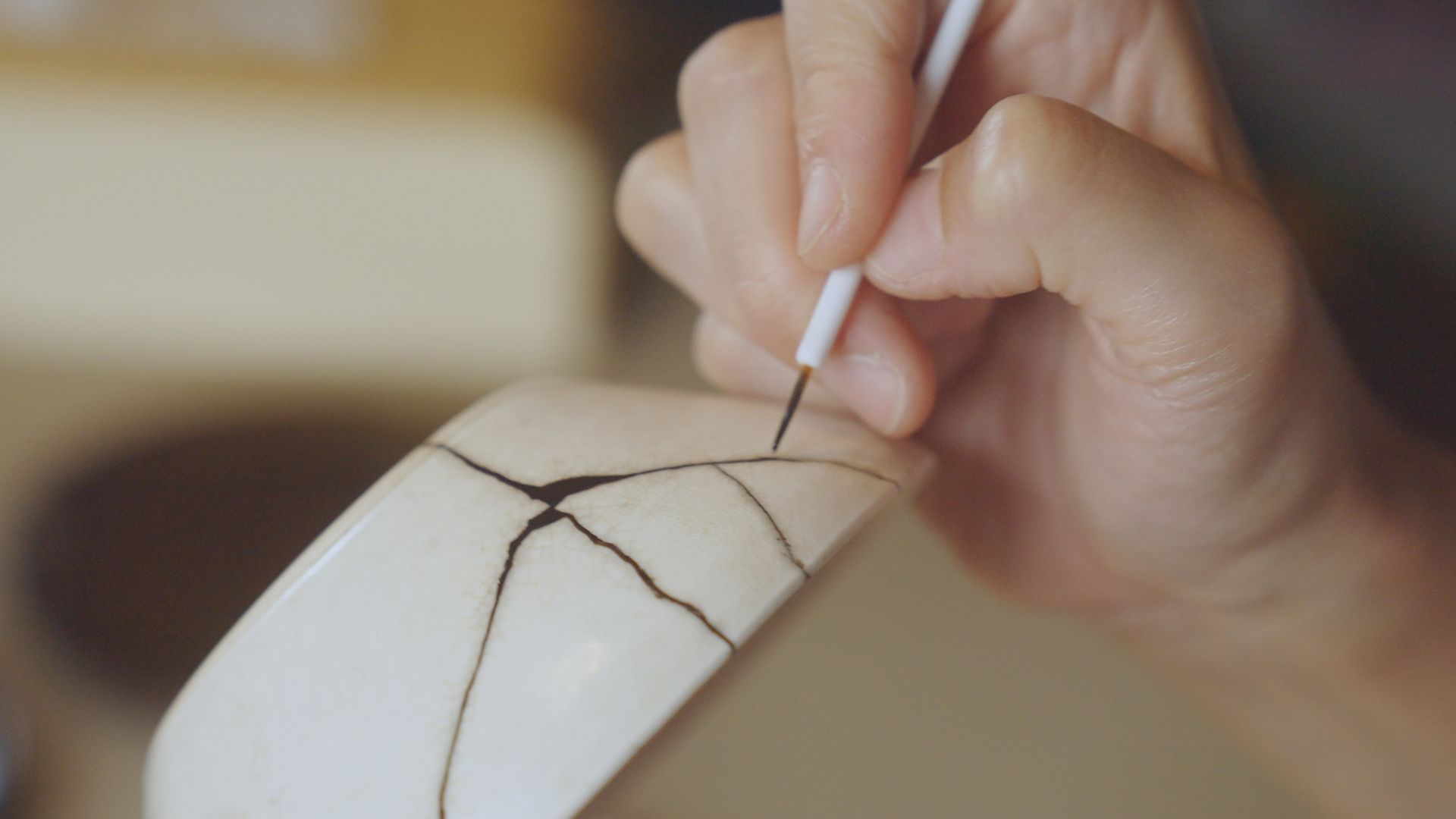
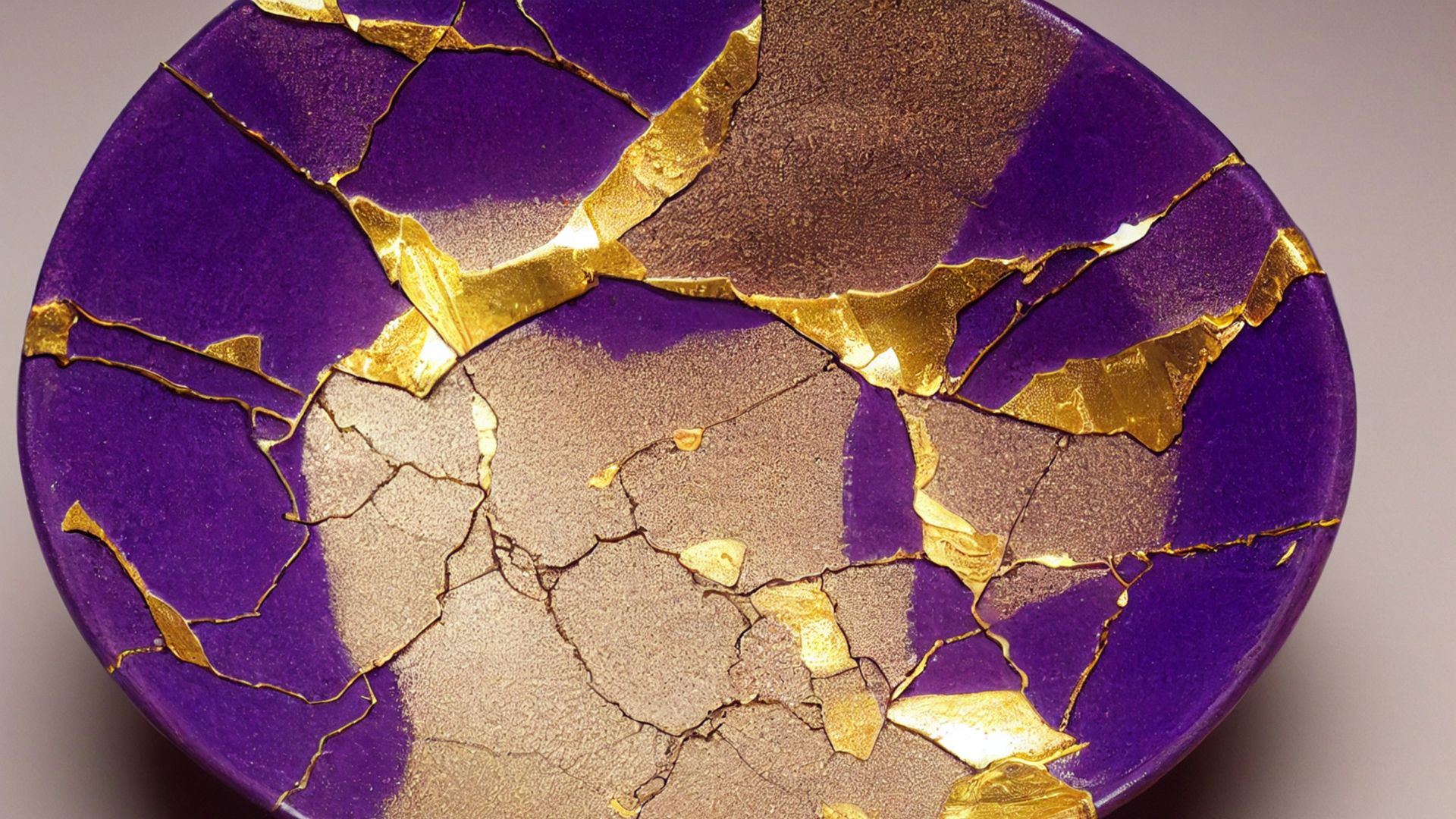
For hundreds of years, Japanese craftsmen have repaired broken pottery by applying a strong lacquer containing powdered gold, silver, or platinum. This art form is called Kintsugi. Instead of ignoring or covering up the break in the pottery, these artisans use powdered gold to highlight it, turning what is broken into a feature.
Changing How We Make Things
Many of the technological products we use today are designed to break down the life cycle of each product. For devices like phones or laptops, companies make it so that users cannot open them to repair the devices themselves. They encourage consumers to purchase new models of those products instead.
The practice of Kintsugi fits perfectly within today’s growing Right to Repair movement. Consumers from all over the world are fighting to repair their own products, whether that is farm tractors, smartphones, or even appliances in their homes. People just want access to the parts and repair manuals necessary to perform these repairs themselves. The craft of Kintsugi shows people that fixing something is a craft in itself.
Advertisement
Sustainability Beyond the Green Revolution
Many people today focus on sustainability, especially on incorporating technologies into sustainable practices such as solar panels and electric vehicles. Yet sustainability also applies to our existing products and to keeping them out of landfills.
If manufacturers began to think of their products with the same considerations as Kintsugi artisans, we would have better technological products. Companies today are producing modular laptops and phones that allow for the screen and keyboard to be replaced when they break. These products will not end up in landfills as quickly and are part of their consumers’ ownership in a way that plastic junk will never be.
The Future of Creation
The world of tomorrow does not have to be filled with e-waste from all the products we buy. Some of the best innovations in the world do not have to be the creation of something entirely new, but rather the creation of something broken and fixed up to make something new from the old.
By creating products designed to be repaired, we save natural resources during their production. Furthermore, we can all form a better connection with the products we create and use every day. The skill behind fixing items is a craft like any other. It is an old practice that can be applied to modern factories to create products people use in their homes.
 Read Exclusive Stories
 Bookmark & Save Articles For Later