When we think about modern innovation, we usually picture hyper-advanced technology like artificial intelligence or complex robotics. But some of the smartest ideas for our future are actually incredibly simple and low-tech. Right now, a beautiful concept is popping up in neighborhoods all over the globe. It is called the Library of Things.
Instead of borrowing paper books, these public community centers let people borrow physical objects for free or for just a few dollars.
How the Sharing System Works
Imagine walking into a regular public library. But instead of tall rows of bookshelves, the walls are lined with useful, everyday items. You can use a digital catalog to browse through different sections depending on what you need.
For DIY projects, you can borrow power drills, lawnmowers, or ladders. If you want to try a new hobby or go camping for the weekend, you can check out tents, sewing machines, or telescopes. You can even find kitchen appliances for hosting a party, like chocolate fountains or giant soup pots. You just check the item out, take it home, use it, clean it, and bring it back for the next neighbor.
Solving the Power Drill Problem
Advertisement
This simple idea is a brilliant way to solve two major modern problems: high costs and unnecessary waste.
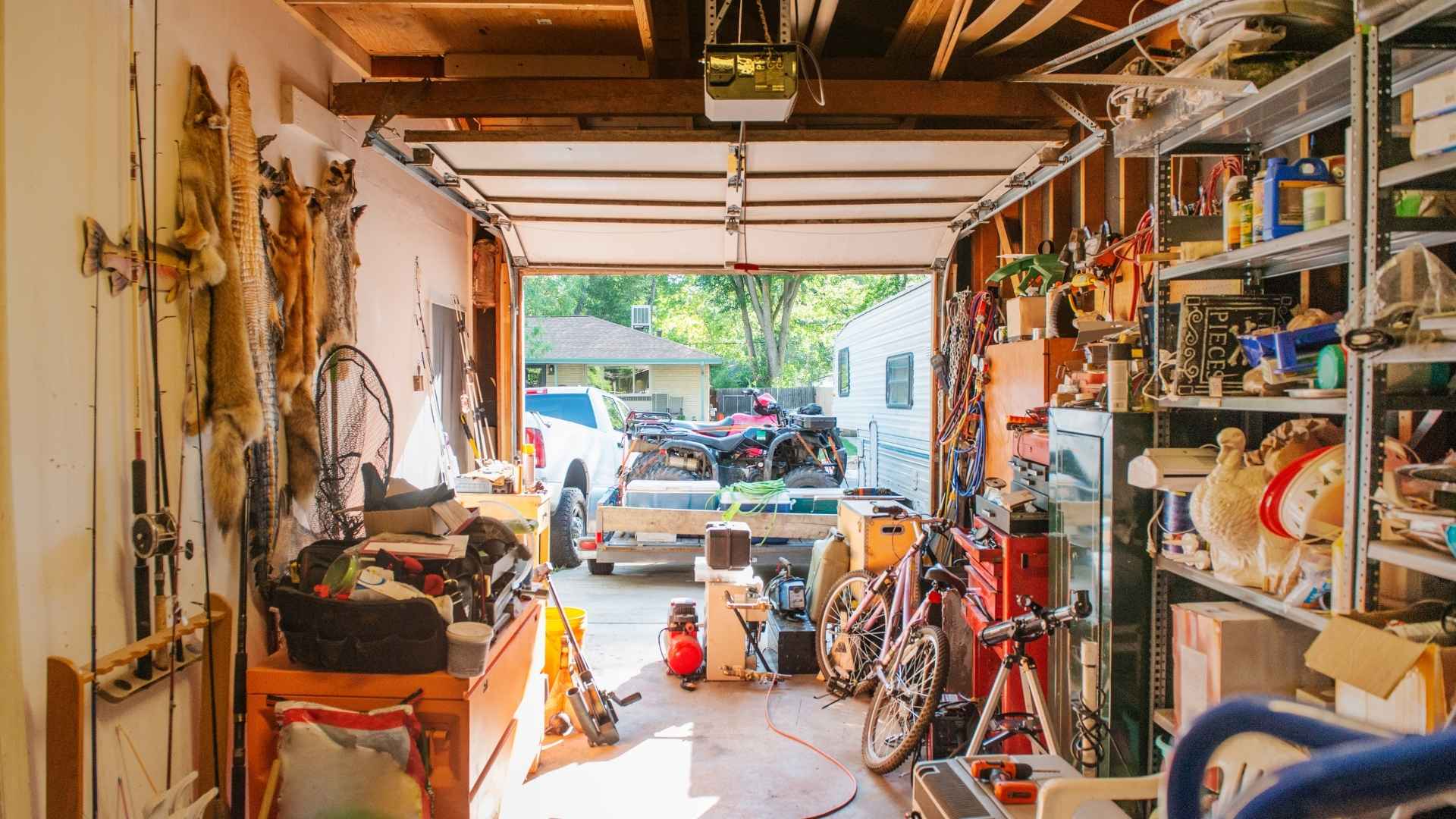
Think about the classic power drill problem. Economists often point out that the average home power drill is used for only about 13 minutes over its entire lifespan. It takes a massive amount of planetary resources to mine metals, manufacture a plastic drill, and ship it across the ocean. After all that effort, it usually just sits in a dark garage forever. Sharing a single drill among dozens of neighbors instantly reduces factory waste.
High-quality tools, camping gear, and party appliances are also very expensive to buy up front. Sharing programs give everyone in a town equal access to great equipment, no matter their budget.
Innovation Through Sharing
The Library of Things is a great reminder of what sustainability really means in our daily lives. It shows us that we do not always need to invent complicated new technology to build a better future. Sometimes, true innovation is just finding a smarter, kinder way to share the resources we already have.
By rethinking how we consume products, we can save money, reduce clutter, and protect the planet. It proves that small, community-driven ideas can make a massive difference in how we live and interact with our world.
 Read Exclusive Stories
 Bookmark & Save Articles For Later