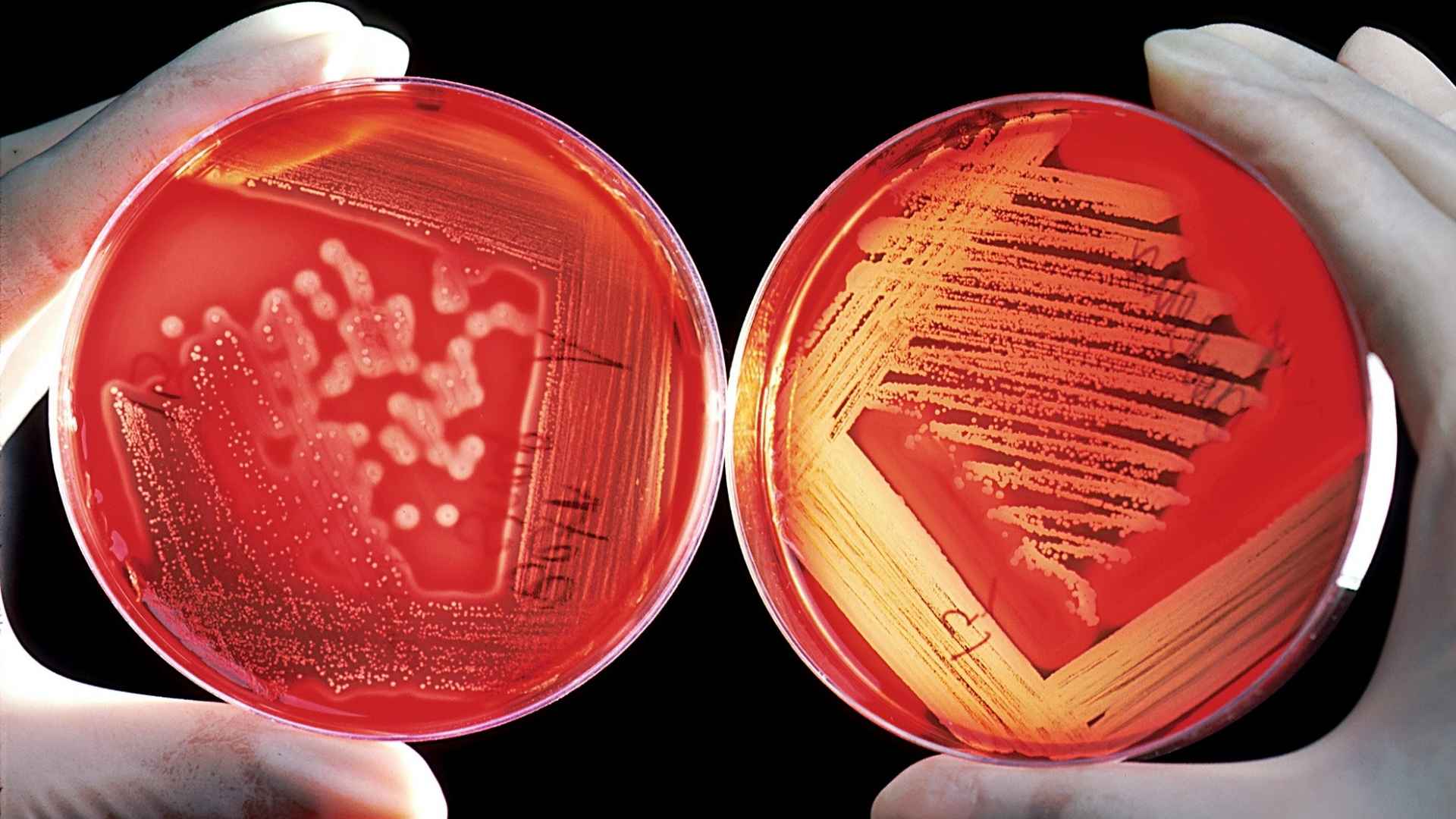
When you think of an artist’s toolkit, you probably picture brushes, tubes of oil paint, and a wooden easel. But in some modern studios, those tools are being replaced by petri dishes, sterilized loops, and living bacteria. This is the world of agar art, or “microbial art,” and it’s changing how we look at the relationship between science and creativity.
The Living Canvas
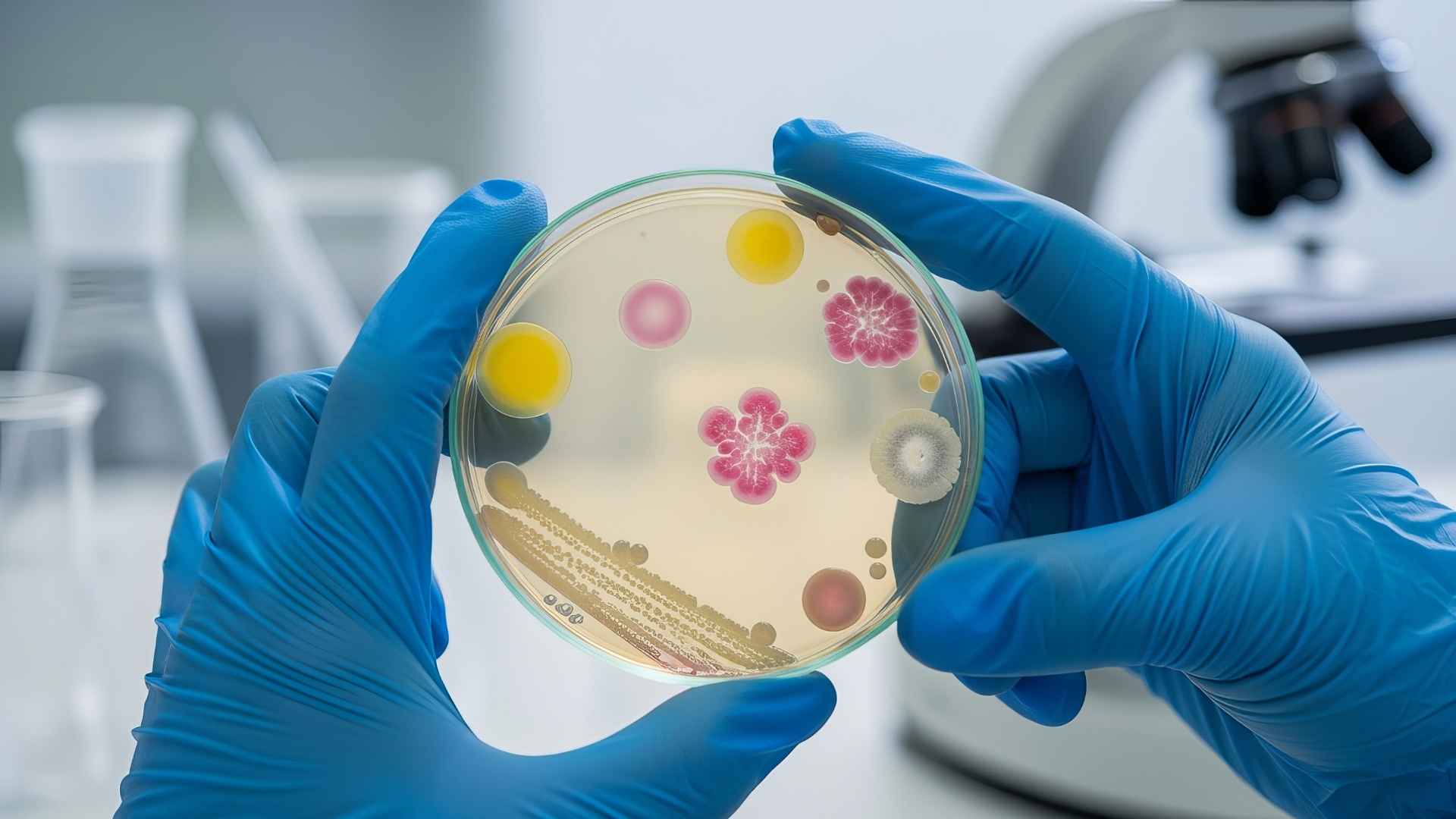
The process is fairly straightforward but requires a lot of patience. Instead of a canvas, artists use a petri dish filled with agar—a jelly-like substance made from seaweed that provides food for microorganisms. Instead of paint, they use different strains of bacteria, yeast, or fungi. Some bacteria are naturally bright red, while others might glow a soft blue or a vibrant yellow. The artist “paints” the bacteria onto the agar using a small metal loop.
Waiting for the Magic to Grow
Here is the catch: when the artist finishes “painting,” the canvas looks totally empty. The bacteria are invisible to the naked eye at first. The dish must be incubated for a few days to allow the organisms to grow and multiply. It isn’t until the bacteria have reached a certain density that the colors and patterns finally appear. It’s a bit like developing a photograph in a darkroom, but the “ink” is alive.
Advertisement
A Balance of Art and Biology
This craft fits perfectly into the “World of Creation” because it teaches the basics of how things are made at a microscopic level. Just like the blacksmiths of the past had to master the heat of the forge, these artists have to master the environment of the lab. If the temperature is too low, the art won’t grow. If they don’t keep their tools sterile, “wild” mold might fly in and take over the entire piece. It is a constant balance between artistic vision and biological reality.
From Petri Dishes to Sustainable Design
But this isn’t just about making pretty pictures in a lab. The skills used in agar art are the same ones used in biotech and medicine. By learning how to “tame” these microorganisms for art, we are also learning how to work with them to create sustainable materials. Some creators are already looking at how fungi can be grown into furniture or how bacteria can be used to create eco-friendly dyes for our clothes.
Blurring the Lines of Innovation
In the end, agar art shows us that the line between a scientist’s lab and an artist’s studio is thinner than we think. It’s a reminder that innovation often starts with a simple curiosity about the natural world. Whether you are using a chisel, a loom, or a petri dish, the goal is the same: taking raw materials and turning them into something that didn’t exist before. It’s messy, it’s alive, and it’s a glimpse into the future of how we will build our world.
 Read Exclusive Stories
 Bookmark & Save Articles For Later