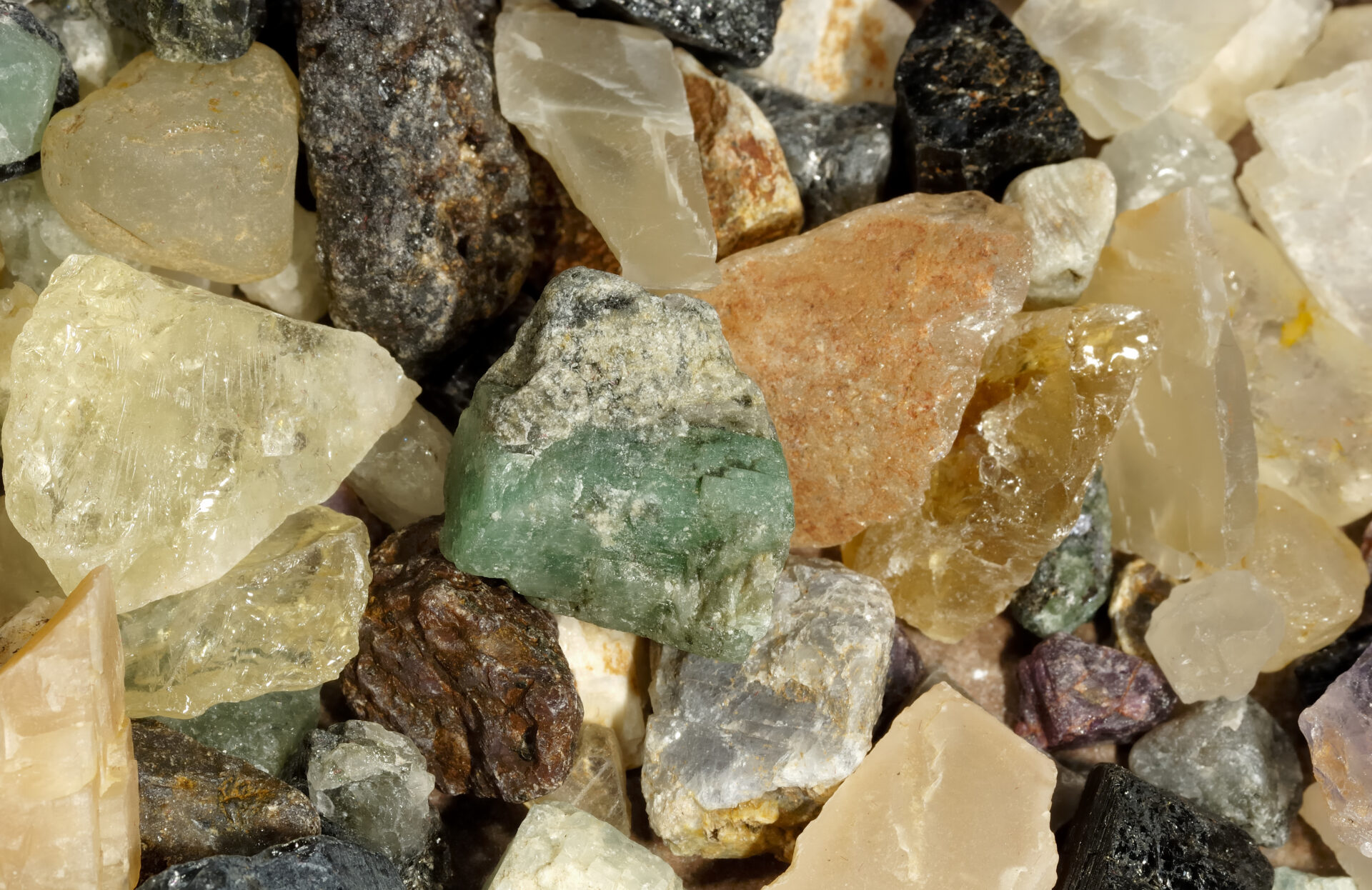
Most people walk right past raw rocks without giving them a second thought. They just look like dirty, dull lumps on the ground. But under that rough outer shell, some of those rocks hold bright colors, clean patterns, and brilliant light.
Unlocking that inner beauty is the main goal of lapidary art.
Lapidary is the process of cutting, shaping, and polishing rough stones and gems. If you like the heavy, hands-on feel of stone carving, lapidary is very similar. The main difference is scale. Instead of using huge chisels on giant granite blocks, lapidary artists work on a micro scale using tiny diamond blades and spinning grinding wheels.
The Science Behind the Sparkle
You can’t just slap a raw rock against a sander and hope for the best. Rocks are stubborn, and every type behaves differently.
This is where geology meets extreme patience. Artists have to understand a stone’s hardness, grain, and internal flaws before making a single cut. Quartz acts completely differently from jade or opal. If you hit a rock at the wrong angle or let it get too hot, it can crack right down the middle, ruining hours of work.
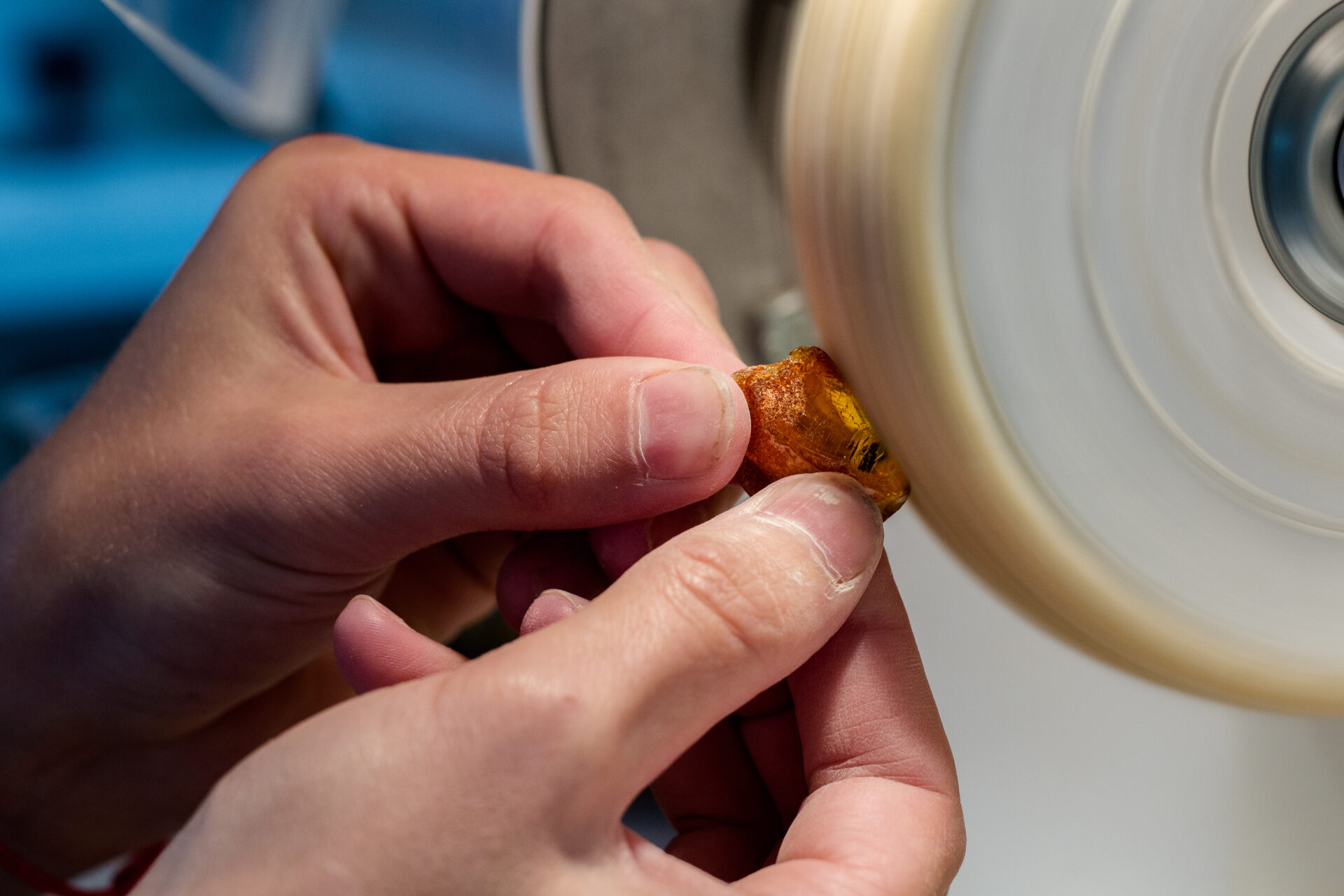
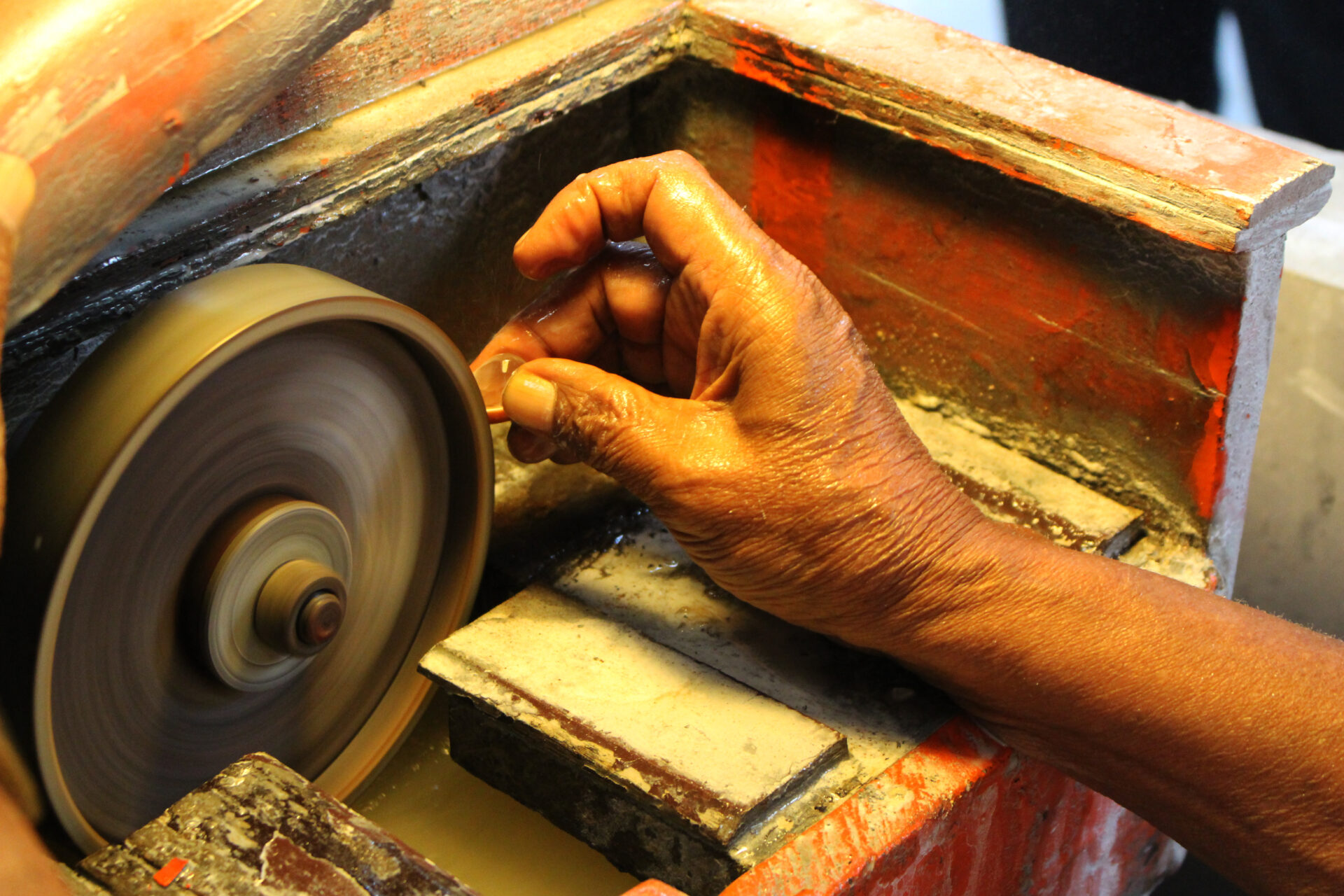
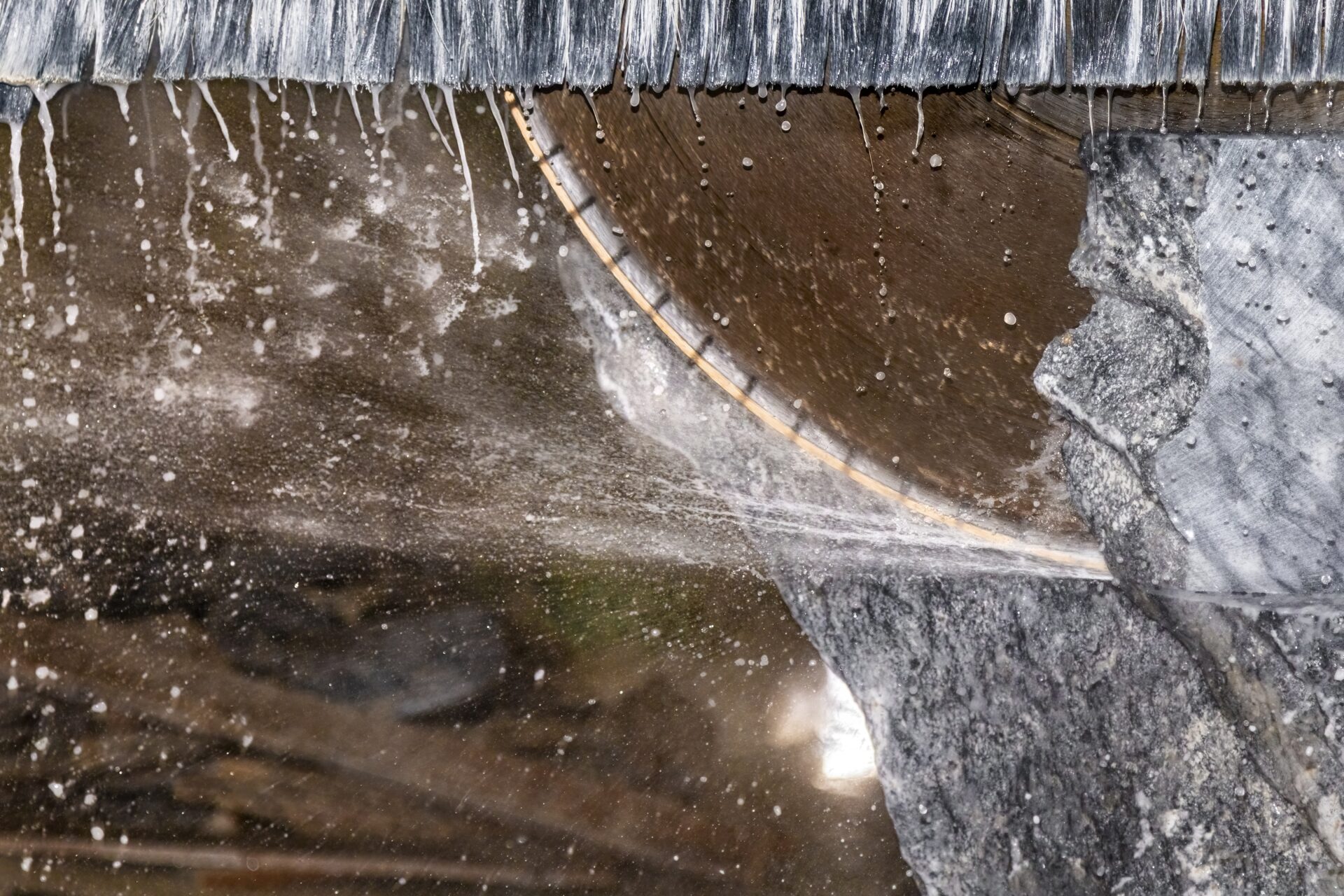
To handle this, artists use specialized tools. They use water-cooled diamond saws to slice thick slabs from rough rocks. Then, they use spinning wheels coated with diamond grit to shape the pieces. They finish the job with fine polishing powders to give the stone a smooth, glass-like shine.
Cabochons vs. Facets
Advertisement
There are two main styles in the lapidary world.
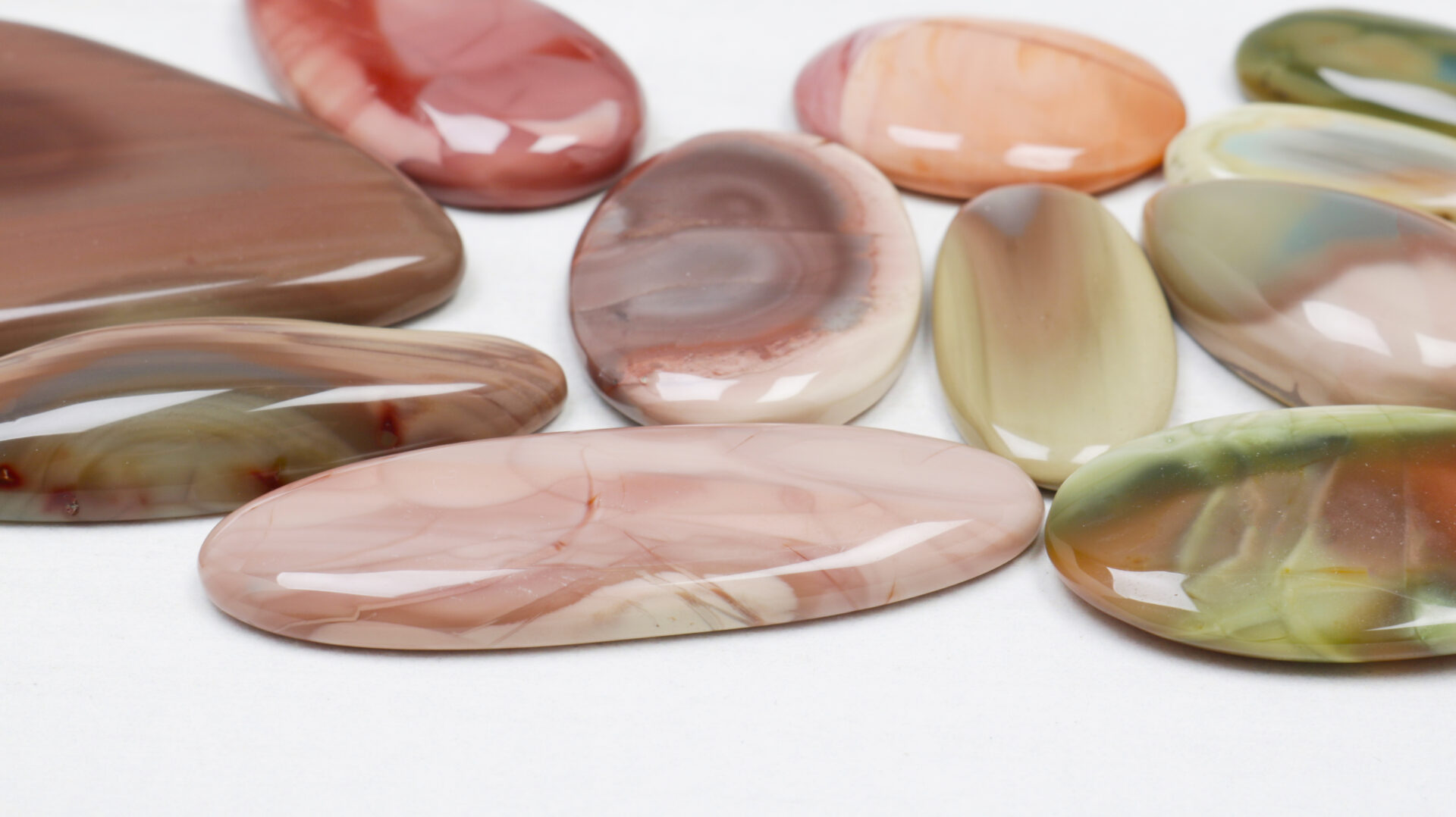
The first style produces cabochons, smooth, rounded stones with flat backs. Think of the turquoise in a ring or a polished piece of jasper. Shaping these takes a good eye for curves and natural patterns.
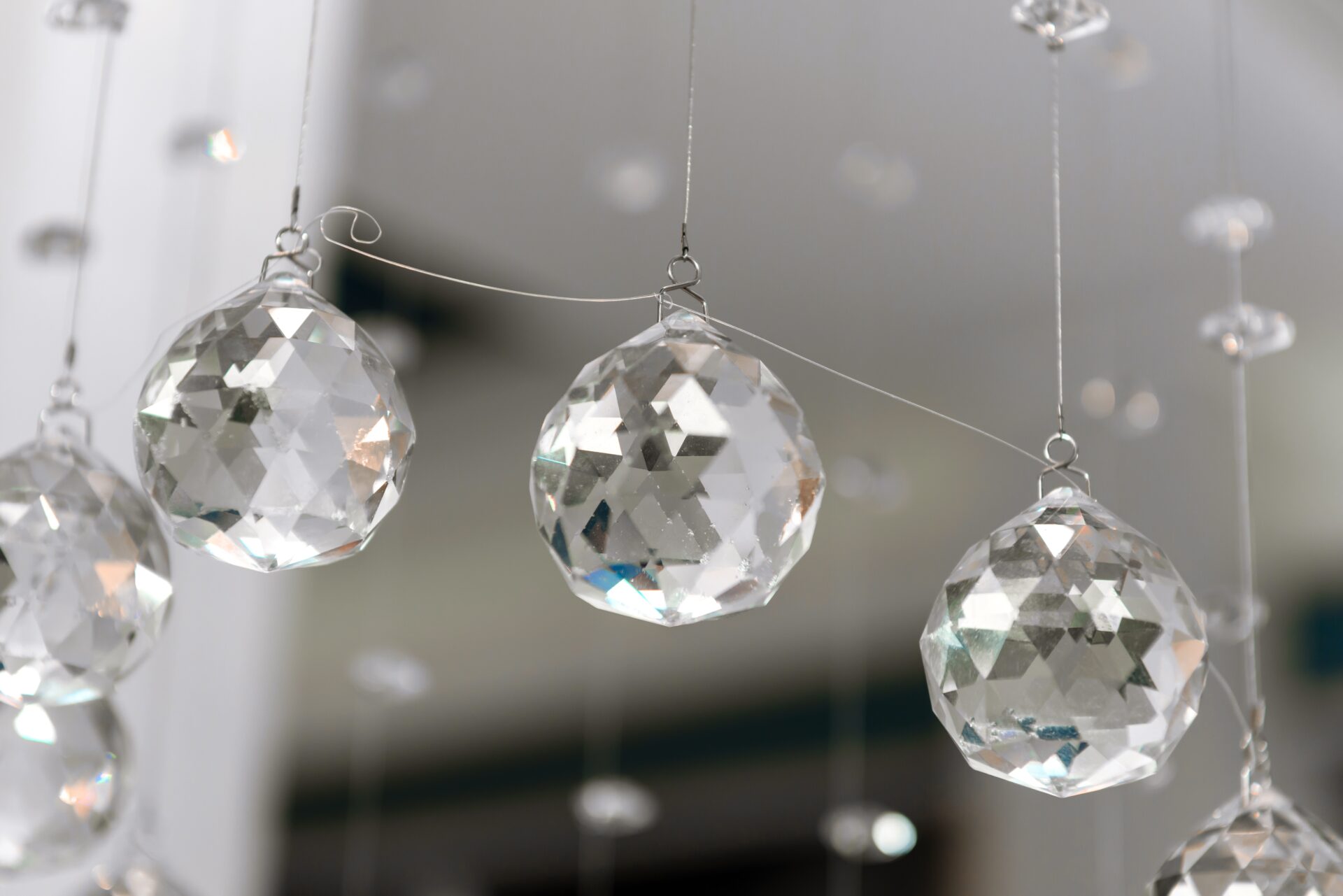
The second style is faceting. This is what turns a rough crystal into a sparkling gemstone for high-end jewelry. The artist cuts dozens of flat, geometric faces onto the stone at precise angles. When light hits these flat cuts, it bounces around inside the gem and reflects back out to your eyes.
Why High-Tech Precision Matters
Modern technology has made this ancient craft even more accurate. Today, lapidary artists use digital angle meters and computer-guided faceting machines. These tools help them cut geometric angles down to a fraction of a degree.
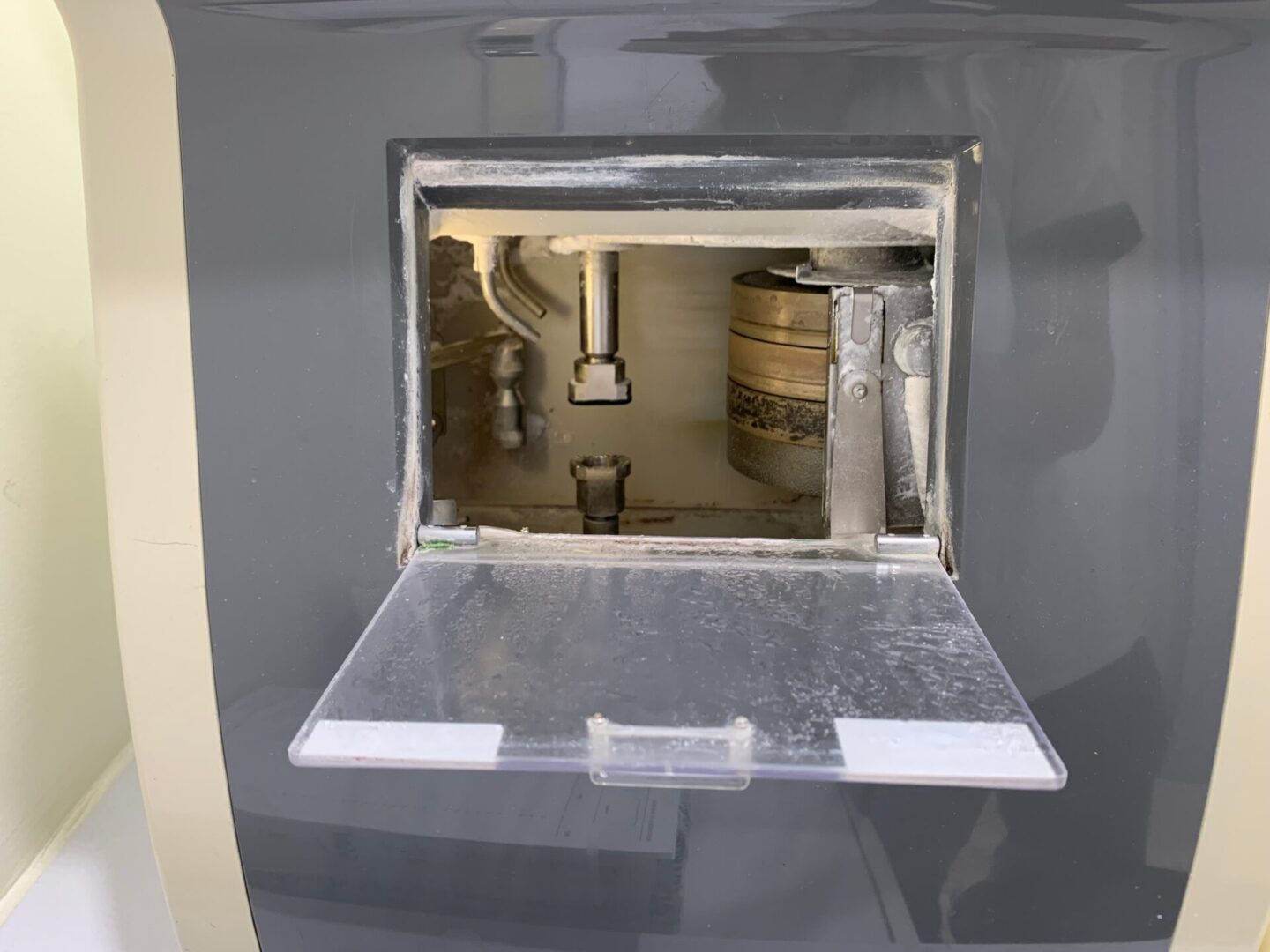
At the same time, synthetic diamond coatings make tools last longer and cut through tough materials faster than ever before. Modern water-recycling setups also keep the dust down while saving water in the shop.
A Lesson in Patience
Lapidary isn’t a quick hobby. It takes time, steady hands, and plenty of mistakes to get it right. But taking a dirty rock out of the mud and turning it into art is incredible. It shows how patience and the right tools can reveal the beauty hidden right under our feet.
 Read Exclusive Stories
 Bookmark & Save Articles For Later