One of the biggest challenges with developing weapons that travel at Mach 5 or faster is simply finding enough space and infrastructure to test them quickly.
Because hypersonic vehicles travel at more than five times the speed of sound, each flight test requires specialized facilities, safety procedures, and extensive preparation. Limited testing capacity can slow development, even when new technologies are ready for evaluation.
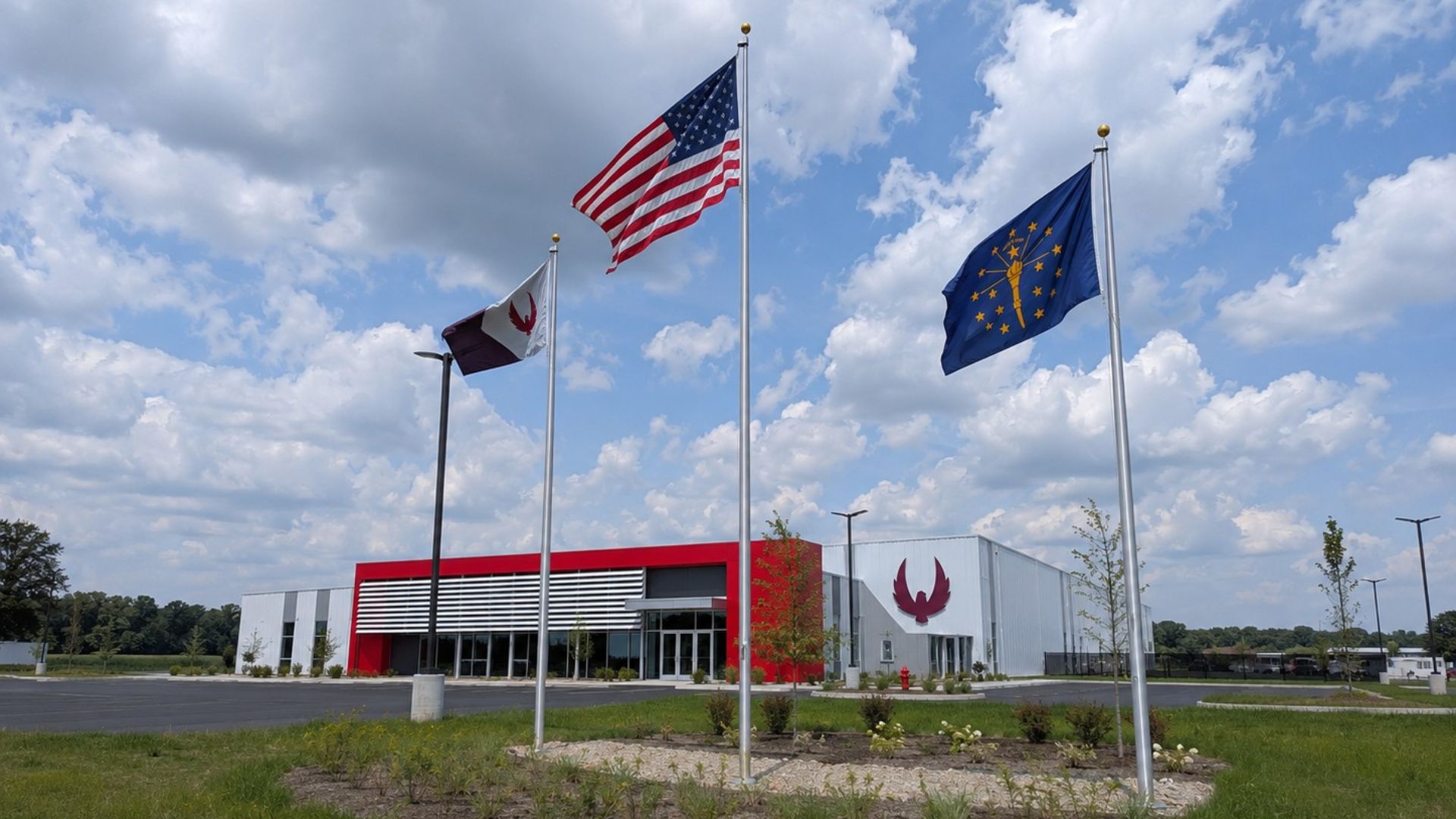
Kratos Defense & Security Solutions has completed its new $50 million Indiana Payload Integration Facility ahead of schedule, giving the U.S. more capacity to prepare and test next-generation hypersonic systems.
What The New Facility Does
The new facility is a 68,000-square-foot testing and manufacturing hub designed specifically for hypersonic systems. Right now, one of the biggest challenges with developing weapons that travel at Mach 5 or faster is simply finding enough space and infrastructure to test them quickly.
Advertisement
Kratos built this facility to speed up that process. The building can handle up to six experimental payloads simultaneously. It allows engineers to integrate and prepare payloads for testing, supporting major government initiatives such as the Multi-Service Advanced Capabilities Hypersonic Testbed. Kratos hopes that by centralizing this process, it can significantly increase the frequency of hypersonic flight testing for the U.S. military.
Boosting The Local Defense Hub
Kratos strategically chose the location in Crane, Indiana. It sits right near the Naval Surface Warfare Center Crane Division. Kratos’s leadership explicitly stated that building there is part of a larger plan to turn southern Indiana into a major advanced defense hub.
Other defense contractors are moving in as well, turning the area into a military tech center. The Kratos site will create over 100 skilled jobs, with average pay topping $80,000.
This facility gives Kratos the tools to expand its hypersonic testing capabilities while helping the U.S. military accelerate next-gen weapons development.
 Read Exclusive Stories
 Bookmark & Save Articles For Later