In modern architecture, the weight of the materials used is just as important as the design itself. We sat down with the team at Garnica to talk about how lightweight, more efficient building materials are helping architects think bigger, while keeping construction simple. Here is what they had to say about the future of building design.
Tomorrow’s World Today (TWT): How does material weight influence the design of complex buildings?
Material weight has a direct impact on both structural engineering and architectural freedom. Lighter materials reduce loads on a building, which can influence everything from foundation design and structural support requirements to transportation and installation logistics. For architects, this often creates greater flexibility to explore larger spans, modular systems, or more complex interior applications without compromising performance. In many cases, reducing weight also improves constructability and overall project efficiency.
TWT: What design opportunities do lightweight materials offer today’s architects?
Lightweight materials give architects and designers greater flexibility to create ambitious spaces without introducing unnecessary structural demands. They enable larger-format panels, custom millwork, prefabricated elements, and complex architectural features that may be more difficult to achieve with heavier materials. Lightweight plywood also allows designers to bring warmth and natural character into a space, while maintaining the performance and precision required for modern construction.
TWT: How can lighter materials speed up construction and simplify installation?
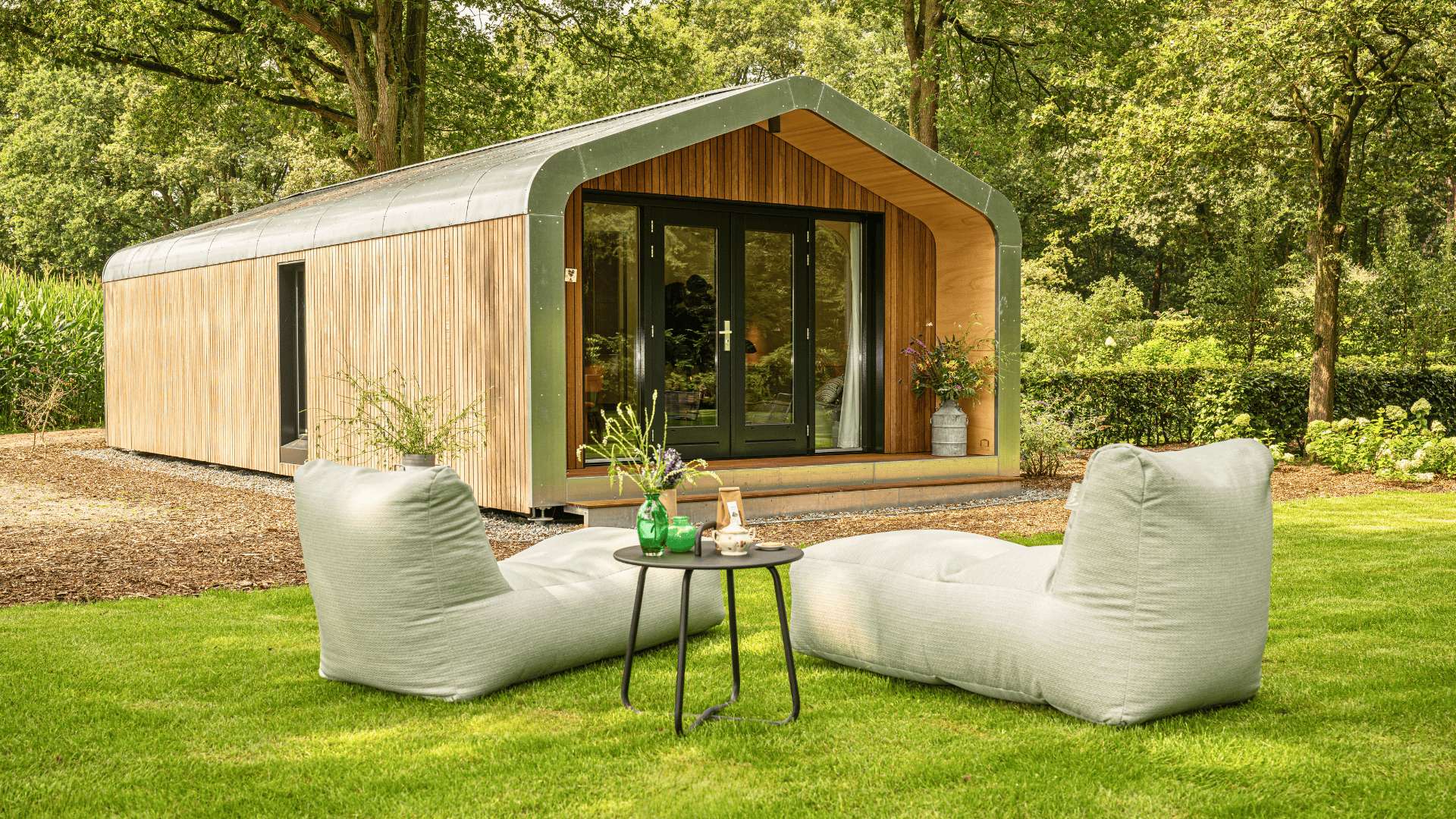
Reducing material weight makes products easier to transport, handle, and install, thereby improving efficiency throughout the construction process. Lighter panels often require less effort to move on-site, reducing installation time, and help streamline fabrication, particularly in interior fit-outs and prefabricated assemblies. These efficiencies can contribute to smoother project delivery, while reducing physical demands on installers.
TWT: How do lightweight building materials support your sustainability and carbon reduction goals?
Sustainability is influenced by many factors, and material weight is one of them. Lighter materials can reduce transportation costs, improve handling efficiency, and contribute to more resource-efficient construction. When combined with responsible manufacturing processes, they can help support broader sustainability objectives, while maintaining long-term performance. At Garnica, our lightweight European poplar plywood is produced with wood sourced from sustainably managed tree farms and is designed to maximize material efficiency throughout its lifecycle.
TWT: Why are lightweight materials increasingly important for modular and prefabricated construction?
Modular and prefabricated construction rely on components that can be manufactured, transported, and assembled as efficiently as possible. Lightweight materials simplify each stage of the process by reducing transportation loads, making components easier to handle, and speeding up installation once they arrive on site. As off-site construction continues to grow, architects and manufacturers are increasingly looking for materials that combine strength, dimensional stability, and lower weight without compromising quality or durability.
TWT: How can lightweight, flexible materials help buildings adapt to changing needs over time?
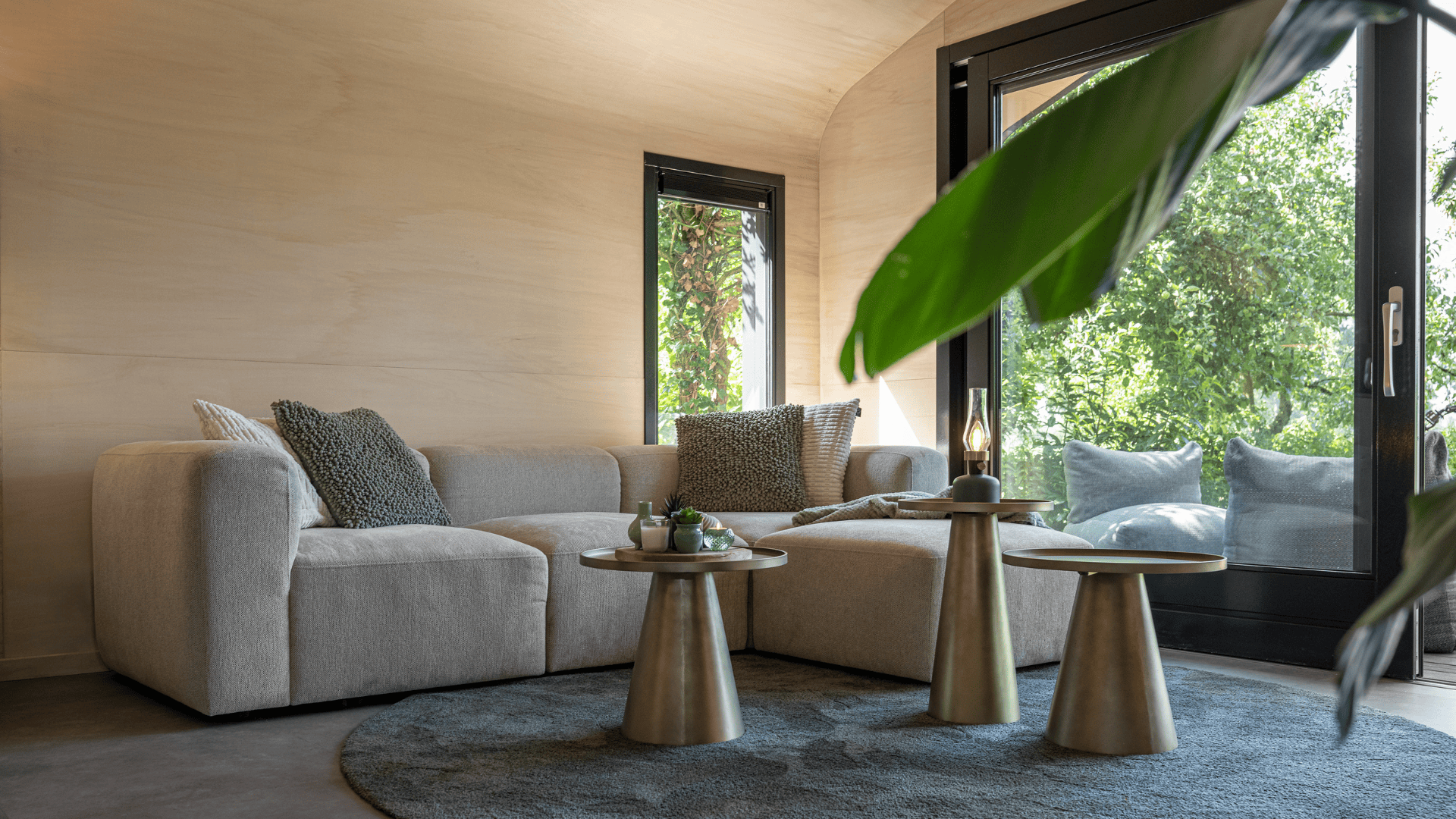
Buildings are increasingly expected to evolve alongside the people who use them. Whether it’s a workplace being reconfigured, a retail space being repurposed, or a residential interior being renovated, adaptable materials like plywood help make those transitions easier. Lightweight materials simplify installation, removal and replacement, making future modifications less disruptive and more efficient. By extending the useful life of interior spaces and reducing the need for extensive structural work, they can also help support a more resource-conscious approach to building design.
It is clear that the industry is moving toward materials that do so much more with less. By focusing on weight, architects and builders are finding ways to make construction faster and more sustainable without losing the durability needed for the long haul. As we continue to rethink how we build our spaces, these materials will likely play a big part in how we adapt to the needs of the future.
Advertisement
 Read Exclusive Stories
 Bookmark & Save Articles For Later