A National Symbol in Trouble
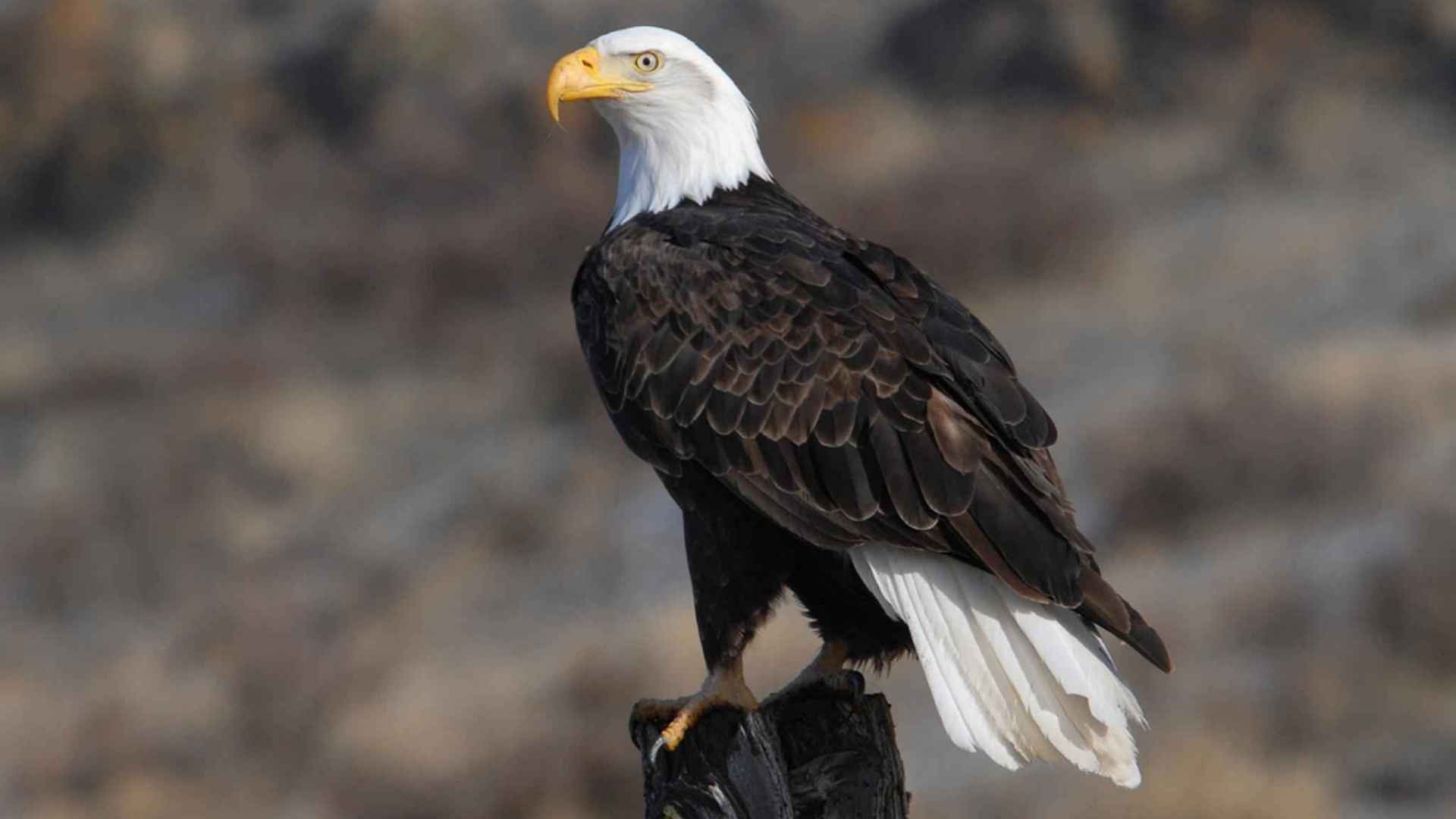
Today, seeing a bald eagle soaring overhead feels special. Its white head and broad wings make it one of the most recognizable birds in North America. But there was a time when that sight was becoming rare. By the early 1960s, bald eagle populations had fallen dramatically across the United States. In the lower 48 states, only about 417 nesting pairs remained. Habitat loss, hunting, and pollution all contributed. One of the biggest problems came from a pesticide called DDT.
When DDT entered the food chain, it affected bald eagles in an unexpected way. The chemical caused their eggshells to become thinner than normal. Many eggs broke before young birds could hatch. As eagle numbers continued to fall, scientists and conservationists became increasingly concerned.
Finding the Cause
The first step toward recovery was understanding the problem. Researchers studied eagle populations and discovered a link between DDT and thinning of eggshells. Their findings helped raise awareness of the effects that certain chemicals can have on wildlife.
In 1972, the United States banned the agricultural use of DDT. Around the same time, legal protections for bald eagles were strengthened. Nesting areas were protected, and efforts were made to reduce threats to the birds. These actions did not produce results overnight. Recovery took years. But slowly, the eagle population began to grow.
Advertisement
A Long Road Back
Conservation groups, wildlife agencies, scientists, and volunteers all played a role in the comeback. In some areas, young eagles were carefully relocated to places where populations had disappeared. Nest sites were monitored, and habitats were protected from development. Over time, the results became impossible to ignore. More eagles survived to adulthood. More nests appeared. Populations expanded into areas where the birds had not been seen for years.
Then came a major milestone. In 2007, the bald eagle was removed from the federal list of threatened and endangered species. The recovery was considered one of the most successful conservation stories in American history.
What the Eagle Teaches Us
The bald eagle’s comeback was not the work of one person or one organization. It happened because people were willing to recognize the problem and work together to solve it. Researchers identified the cause of the decline, policymakers used that information to make decisions, and conservation groups and local communities helped put those solutions into action. Not every environmental challenge has an easy answer, and some problems take decades to address. But the bald eagle reminds us that progress is possible.
Today, thousands of bald eagles live across the United States. What was once a species on the brink has become a symbol of recovery. And every eagle seen soaring above a river, lake, or forest serves as a reminder that positive change can happen when knowledge, persistence, and action come together.
 Read Exclusive Stories
 Bookmark & Save Articles For Later