
Among their discoveries over the past few years, which included spotting a rare giant phantom jellyfish, marine biologists at the Schmidt Ocean Institute have kicked off 2026 by releasing a series of new images and videos highlighting their recent observations from the South Atlantic Ocean.
New Deep Sea Images Released
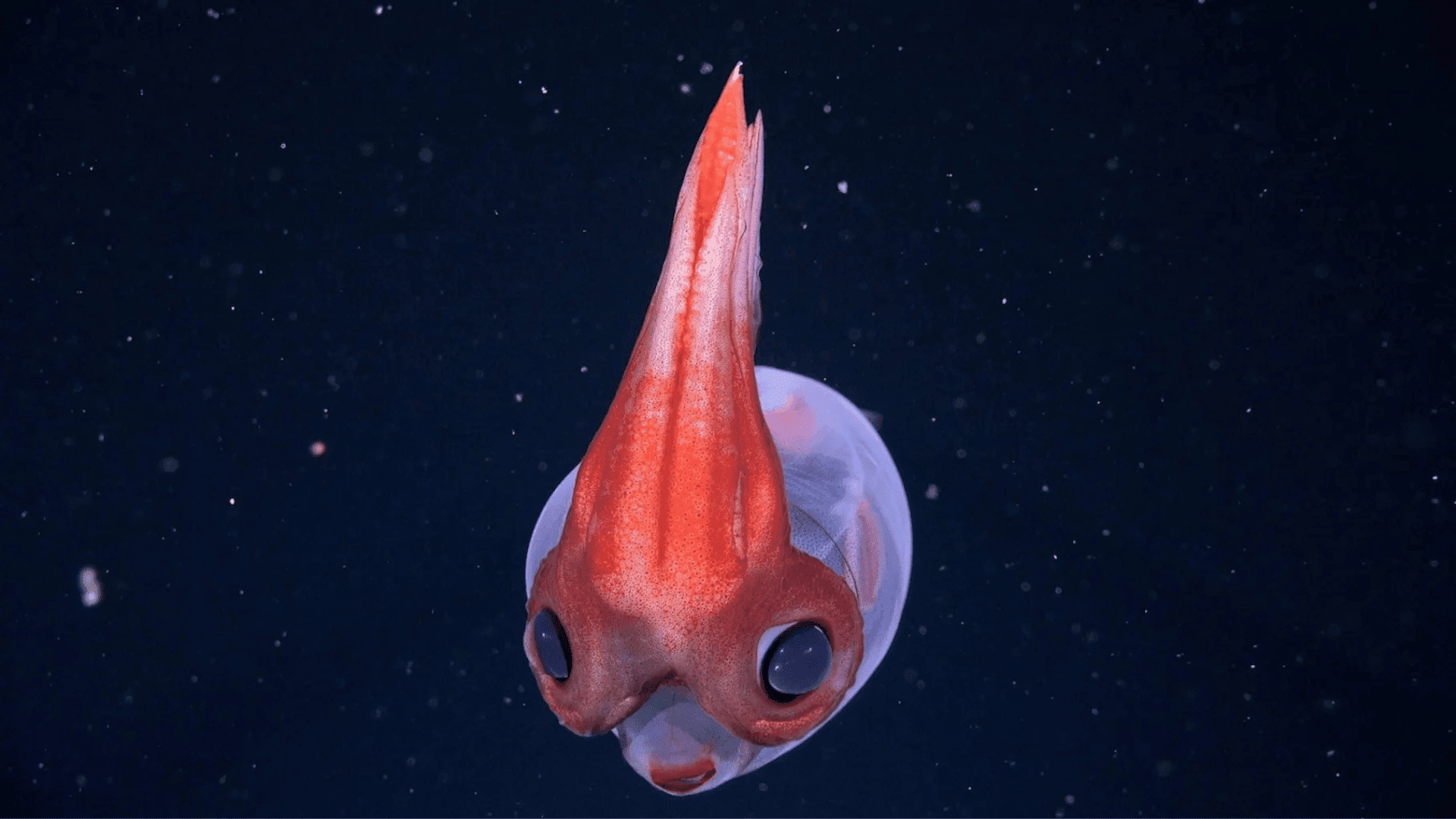
Researchers originally planned to examine cold seeps, which are deep-sea areas where methane and other chemical emissions from the ocean floor sustain microbial life. These organisms feed a range of animals, including clams, worms, and mussels.
The team explored one active seep zone and was surprised by the number of species living across the region.
“We were not expecting to see this level of biodiversity in the Argentine deep sea, and are so excited to see it teeming with life,” expedition chief scientist María Emilia Bravo said in a statement. “Seeing all the biodiversity, ecosystem functions, and connectivity unfolding together was incredible. We opened a window into our country’s biodiversity only to find there are so many more windows left to be opened.”
An estimated 28 possible new species have been identified, including sea snails, urchins, anemones, and worms. Many of these reside within the largest known Bathelia candida coral reef in the world—a colony nearly the size of Vatican City.
“With every expedition to the deep sea, we find the ocean is full of life—as much as we see on land, and perhaps more because the ocean contains 98 percent of the living space on this planet,” added Schmidt Ocean Institute executive director Jyotika Virmani.
Surveys also recorded a series of random items like garbage bags, fishing nets, and even a “near-pristine” VHS tape.
“We collected an unprecedented number of chemical, physical, and biological samples that will be used to understand connections in our waters for years to come,” said Institute Argentino de Oceanografía marine biologist Melisa Fernández Severini. “These samples represent a unique opportunity to understand not only how extraordinary these extreme ecosystems are, but also how vulnerable they can be.”