Could a small cluster of brain cells help a computer make sense of touch? Researchers at the University of Bristol tested that idea using Braille, the writing system made of raised dots.
The team connected lab-grown brain tissue to a sensor that picked up Braille patterns. When they combined signals from three tissue samples, a computer could identify the letters with 83% accuracy. The result points to a possible new use for living cells in computing, although the cells were not actually reading.
Turning Braille Into Brain Signals
The researchers worked with brain organoids, tiny clusters of human brain cells grown in a lab. Each was less than a millimeter wide and contained about 10,000 neurons, along with other supporting cells. They’re models of certain features of the brain, not complete miniature brains.
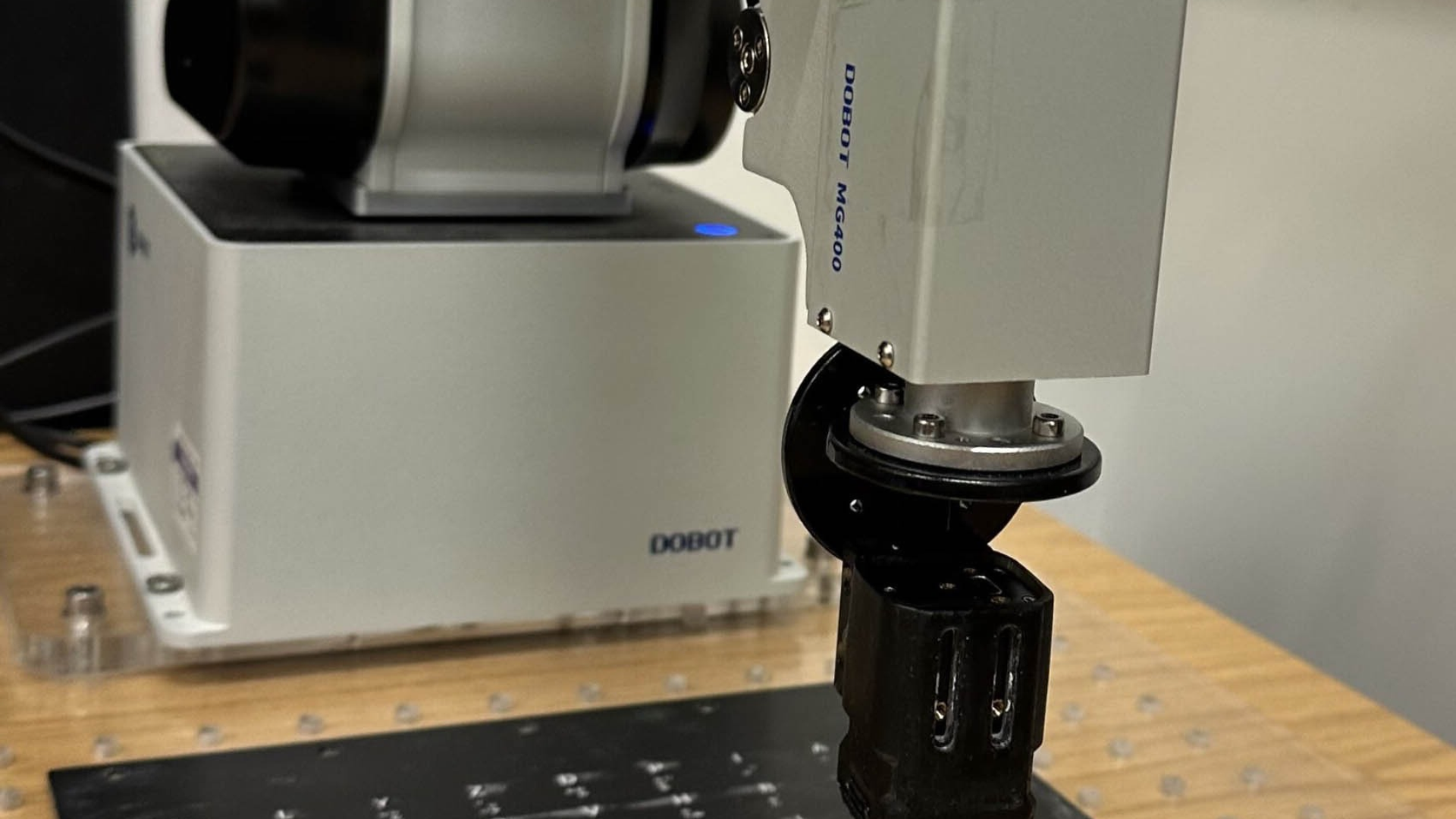
A touch sensor first recorded patterns for all 26 letters of the Braille alphabet. The researchers converted those patterns into electrical pulses and sent them to the organoids through a set of electrodes.
The cells responded with their own electrical activity. A computer program then analyzed those responses to determine which Braille letter had been sent.
The organoids didn’t need to understand what a letter meant. The question was whether the signals from the cells carried enough information for a computer to distinguish the letters.
Three Organoids Worked Better Than One
Advertisement
When the team used one organoid, the computer identified the correct letter about 61% of the time. Combining responses from three pushed that number to 83%.
Researchers aren’t certain why the combination worked better. The organoids may have slightly different connections among their neurons, so each could respond to the same input differently. Putting those responses together may give the computer more useful information.
The team also added artificial noise to some of the Braille signals. Under those test conditions, the three-organoid setup did a better job of preserving information than a computer decoder working directly with the noisy signals.
Could Living Cells Become Part of Computers?
The work is part of a field called biohybrid computing, which combines biological cells with electronics. Researchers are interested in whether living neuronal networks could someday handle certain tasks using less energy than conventional systems.
But this experiment did not show that the organoids learned to read, improved through practice, or saved electricity. It showed that information from a touch sensor could pass through living neural tissue and still be identified afterward.
Next, the Bristol team wants to test other kinds of touch, including textures and edges. They also hope to study whether organoids can adapt to feedback.
For now, the researchers have shown that these tiny collections of cells can carry information a computer can recognize. Whether they can learn from that information is another question.
 Read Exclusive Stories
 Bookmark & Save Articles For Later