Travel 70 miles west of Key West, Florida, and the highway simply ends. To reach Dry Tortugas National Park, you have to take a ferry or a seaplane across the open ocean.
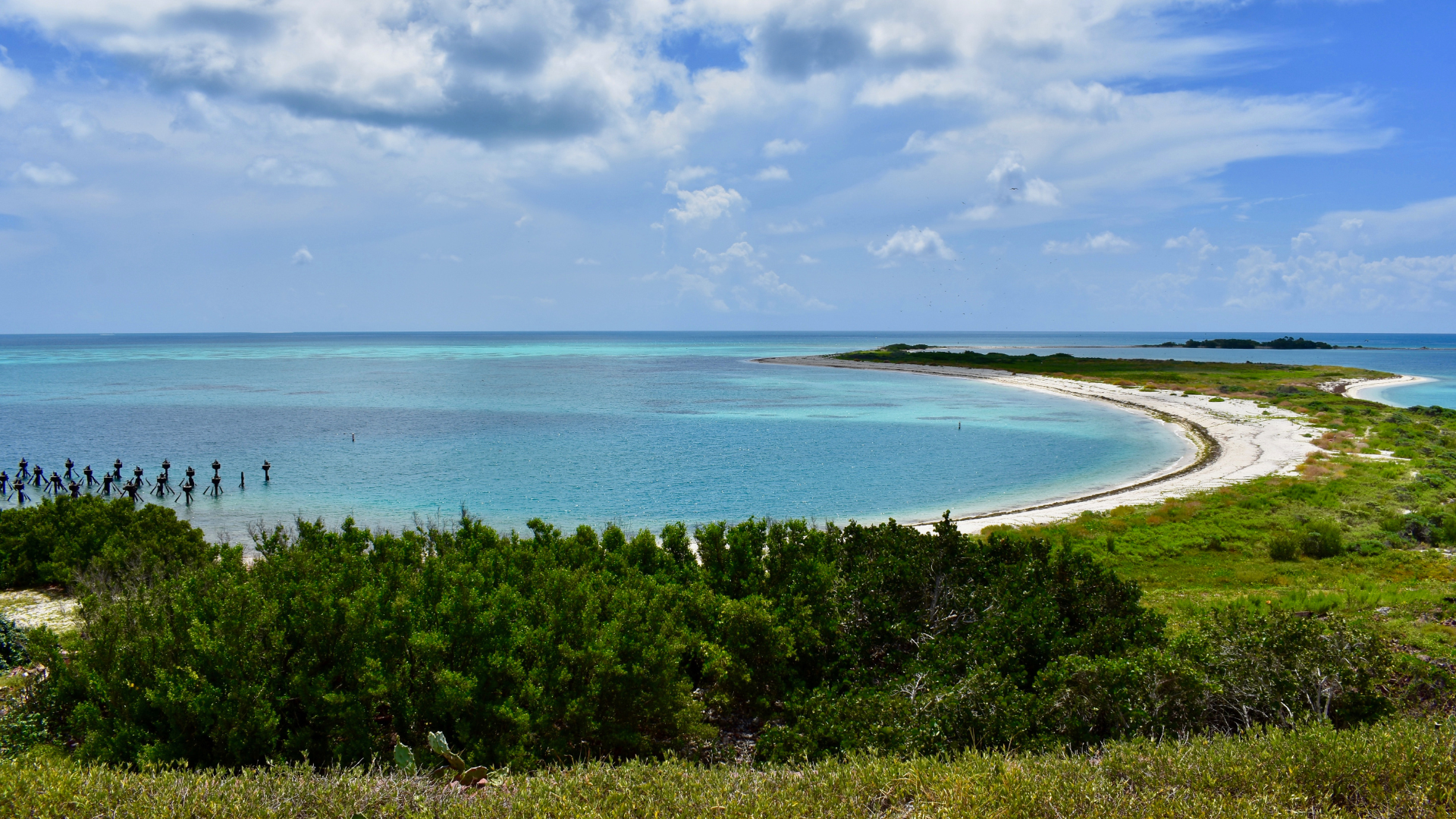
When you finally arrive, you do not find a standard beach. Instead, you see a massive, six-sided brick building rising straight out of the bright blue water. This is Fort Jefferson. It holds the record as the largest brick masonry structure in the Americas, and it sits directly on a tiny cluster of coral islands.
A Massive Brick Fort
The United States military started building Fort Jefferson in 1846. They wanted a strong base to protect the shipping channels running into the Gulf of Mexico. But the logistics were a nightmare. The plan required moving over 16 million bricks to a remote island with absolutely no fresh water.
It was an incredibly tough place to work. Builders dealt with extreme heat, heavy hurricanes, and outbreaks of yellow fever. And while they were building it, weapons technology kept changing. Rifled cannons were invented, capable of easily breaking through solid brick walls. So the fort actually became outdated before it was ever finished. During the Civil War, the military stopped construction and used the empty rooms as a remote prison. Now, the massive brick walls are slowly crumbling from decades of harsh salt spray and heavy winds.
Built On A Coral Reef
The land makes up less than one percent of this national park. The rest of the space is entirely underwater, built around a healthy coral reef system.
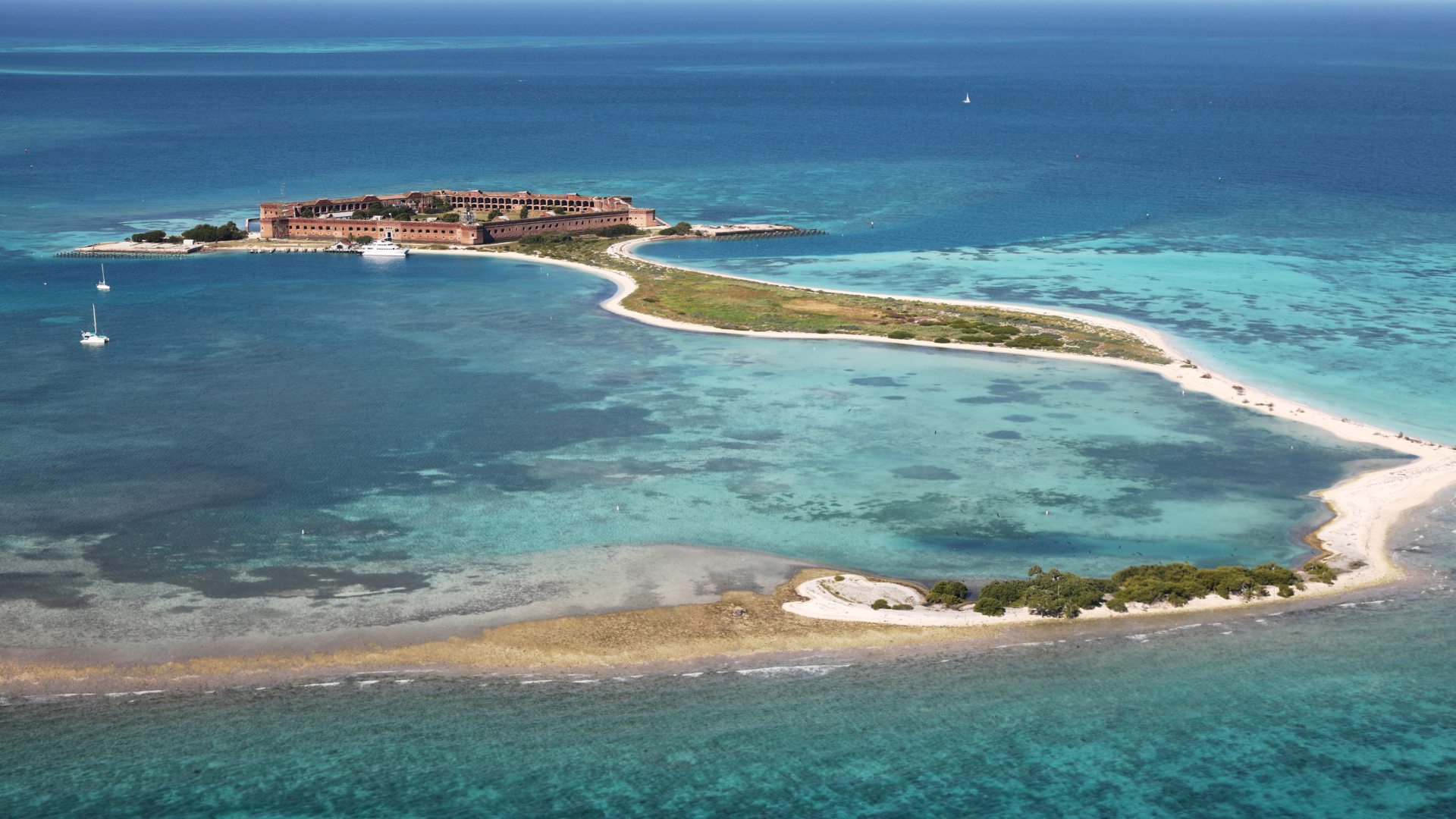
The name of the park comes from early sailors. They found plenty of sea turtles here, so they named it “tortugas.” But they added the word “dry” to warn other ships that there was no fresh drinking water anywhere on the islands. The lack of heavy human development means the ocean water stays incredibly clear. You can put on a snorkel right next to the fort’s old moat wall and instantly see colorful coral, moving seagrass, and nurse sharks resting on the bottom.
A Safe Space For Wildlife
Because the park is so difficult to reach, it stays very quiet. A strict cap on daily visitors keeps the crowds away. This isolation creates a perfect, undisturbed space for local wildlife.
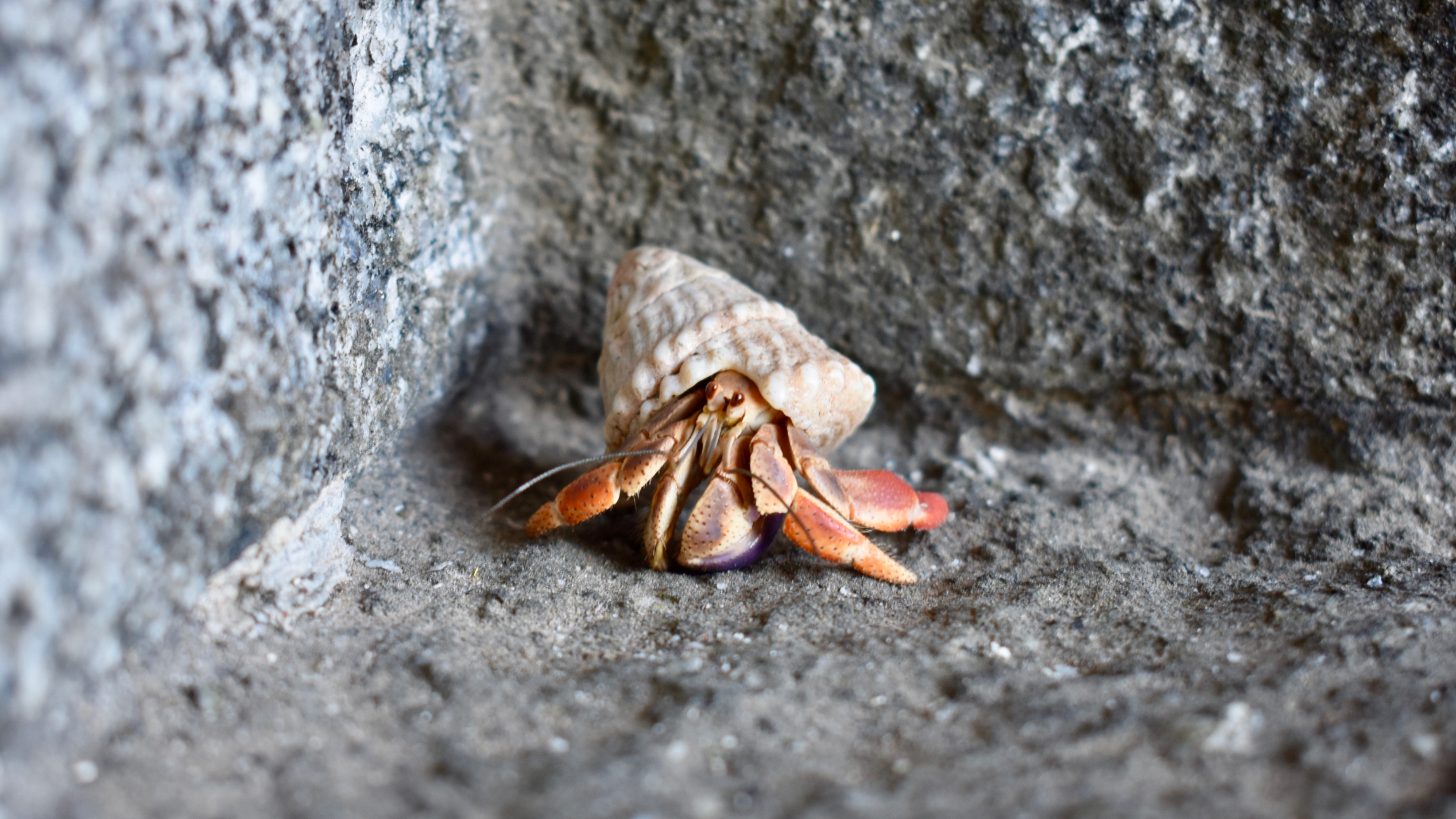
Hundreds of thousands of birds use these small patches of sand to rest during their long flights across the Gulf of Mexico. Sea turtles still drag themselves up onto the empty beaches to lay their eggs in the warm sand. Park rangers monitor the water constantly to keep the delicate coral healthy. It is a rare spot where a giant man-made structure quietly crumbles away while the natural environment thrives around it.
 Read Exclusive Stories
 Bookmark & Save Articles For Later