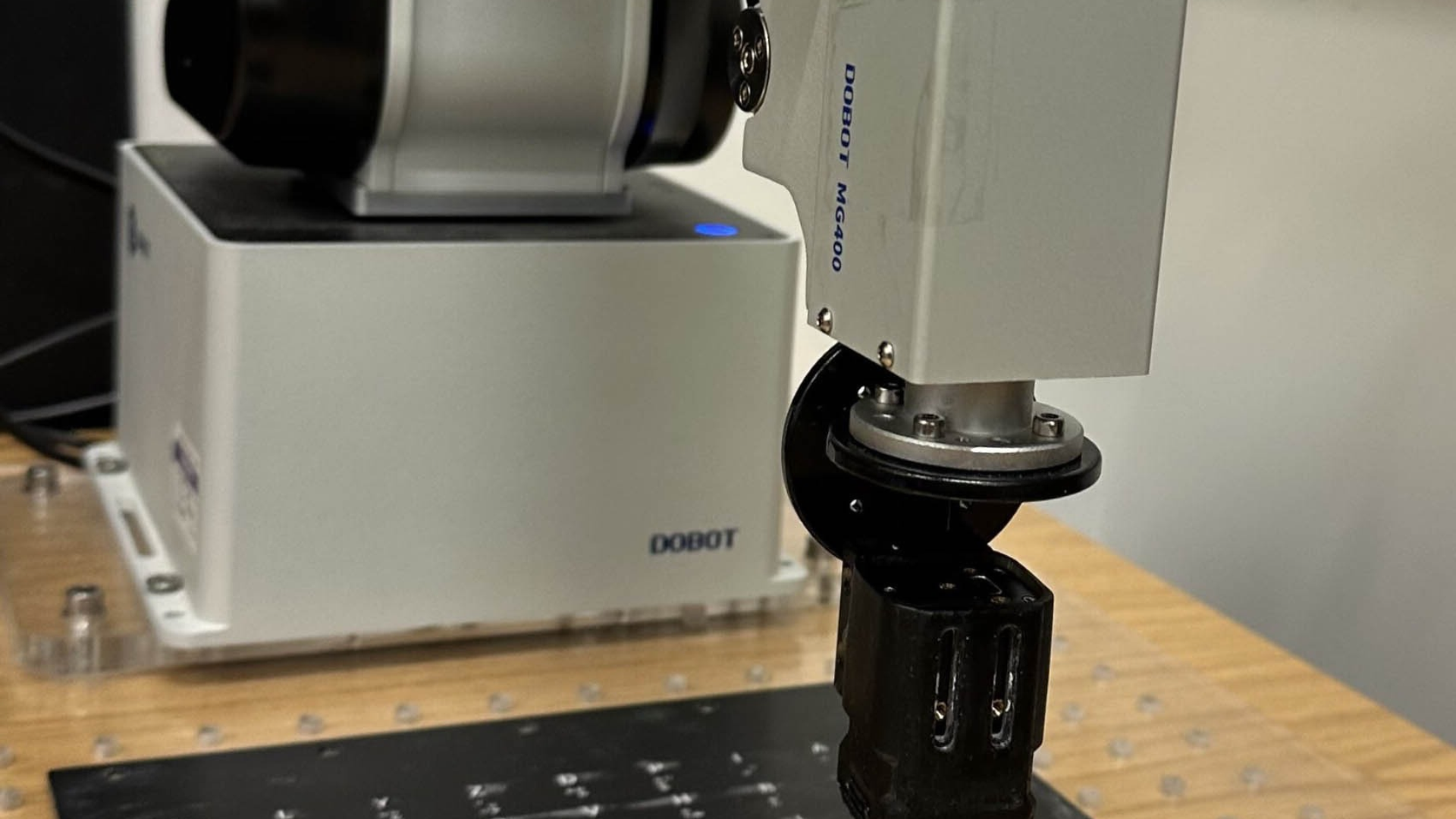
Building a house usually means bringing materials and crews together at a construction site. A new partnership between D.R. Horton and Promise Robotics aims to move some of that work into factories, where robots can build parts of a home before they ever reach the property.
The companies announced a multiyear agreement on October 13 to support construction of more than 1,250 homes. D.R. Horton, the largest homebuilder in the United States by volume, will use Promise Robotics’ AI-powered manufacturing system to make the building process more predictable.
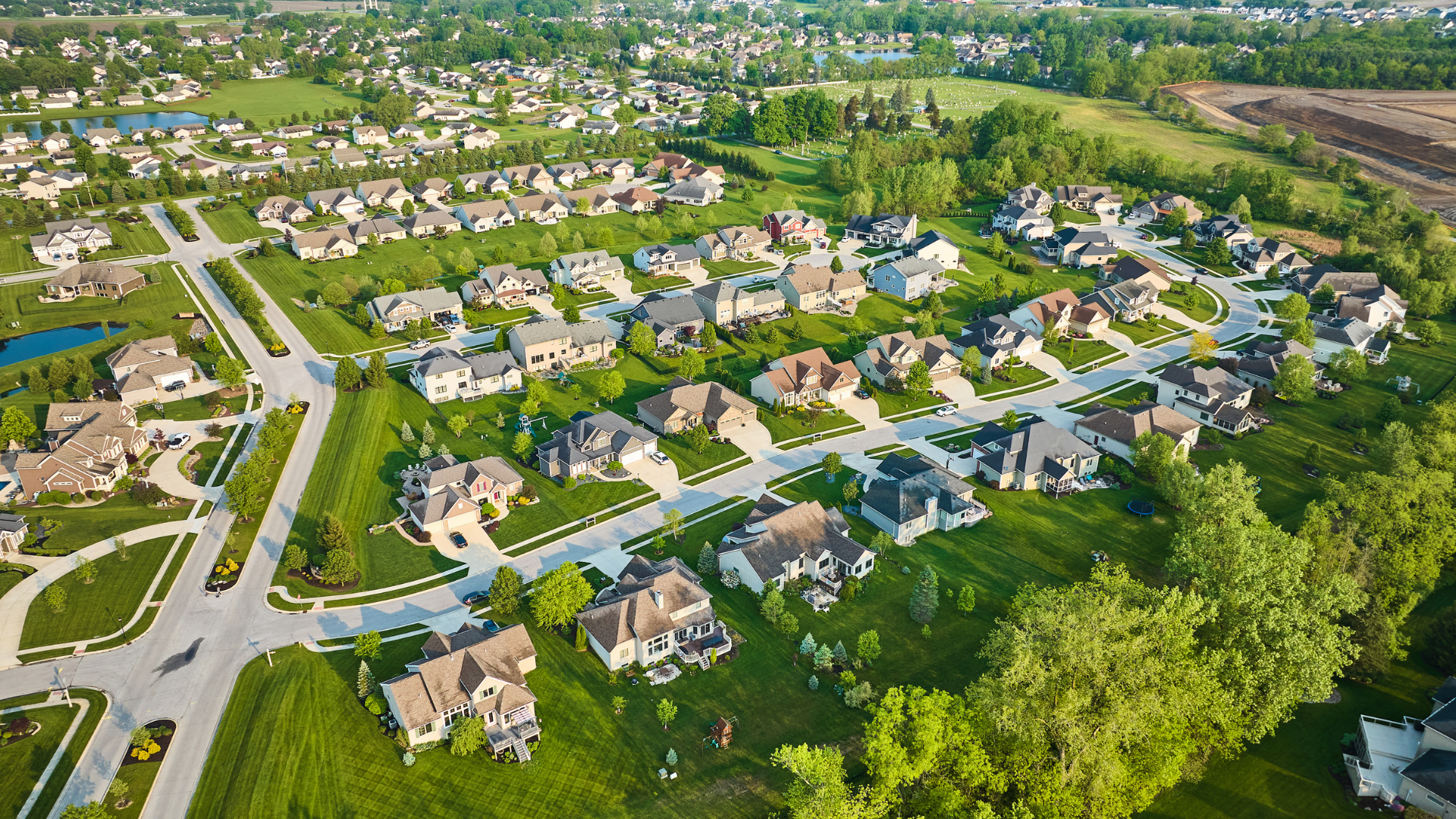
Turning House Plans Into Robot Instructions
Promise Robotics starts with the home designs builders already use. Its software reads those plans, determines which pieces need to be made, and generates instructions for robotic equipment.
In a factory, robots can help produce structural components such as walls, floors, and stairs. Those parts are then delivered to construction sites, where crews assemble them.
The idea isn’t to have a robot build an entire finished home on its own. It’s to handle some of the repetitive framing work in a controlled setting instead of doing everything outdoors.
Promise Robotics says its system can assemble the framing for a typical 1,800-square-foot home in about eight hours. That doesn’t mean the house is ready to move into after one workday. Plumbing, electrical work, finishing, inspections, and many other steps still have to happen.
A New Way to Access Factory Production
Advertisement
The partnership uses what Promise Robotics calls Factory-as-a-Service. Instead of paying to build and run its own automated factory, D.R. Horton can use Promise’s manufacturing facilities and equipment.
That matters for homebuilders dealing with labor shortages, construction delays, and rising costs. Moving part of the work into factories could make it easier to plan schedules and keep a consistent supply of building components.
Promise Robotics plans to open a manufacturing facility in Phoenix, Arizona, with production expected to start in early 2027. The company says it wants to build a larger network of factories that can serve different homebuilders.
Robots Still Have to Prove Their Value
The agreement covers future production, not 1,250 finished homes. And there are still questions about how much time or money the new approach will actually save once the parts reach a construction site.
Local building rules, inspections, and the availability of installation crews all affect how quickly a home can be completed. Robots making the walls faster won’t automatically speed up every other step.
The partnership puts AI to work beyond the computer screen. Instead of simply drawing up plans, the software will guide machines that make real building materials.
The next test is whether that factory work can make building homes faster and more consistently from start to finish.
 Read Exclusive Stories
 Bookmark & Save Articles For Later