Nuclear power typically comes in the form of massive power plants and years of construction. For years, engineers have worked on a different and much smaller approach to nuclear power. The future of clean energy may be in the “hands” of Small Modular Reactors, or SMRs.
SMRs do exactly what their name suggests. The term “modular” means the major parts of the nuclear system are built in a factory and then shipped out. Instead of doing all the heavy assembly out in the field, these units require a lot less on-site prep. Assembling these small units in a factory cuts down construction times that often come with big power plants.
Why SMRs Make Sense
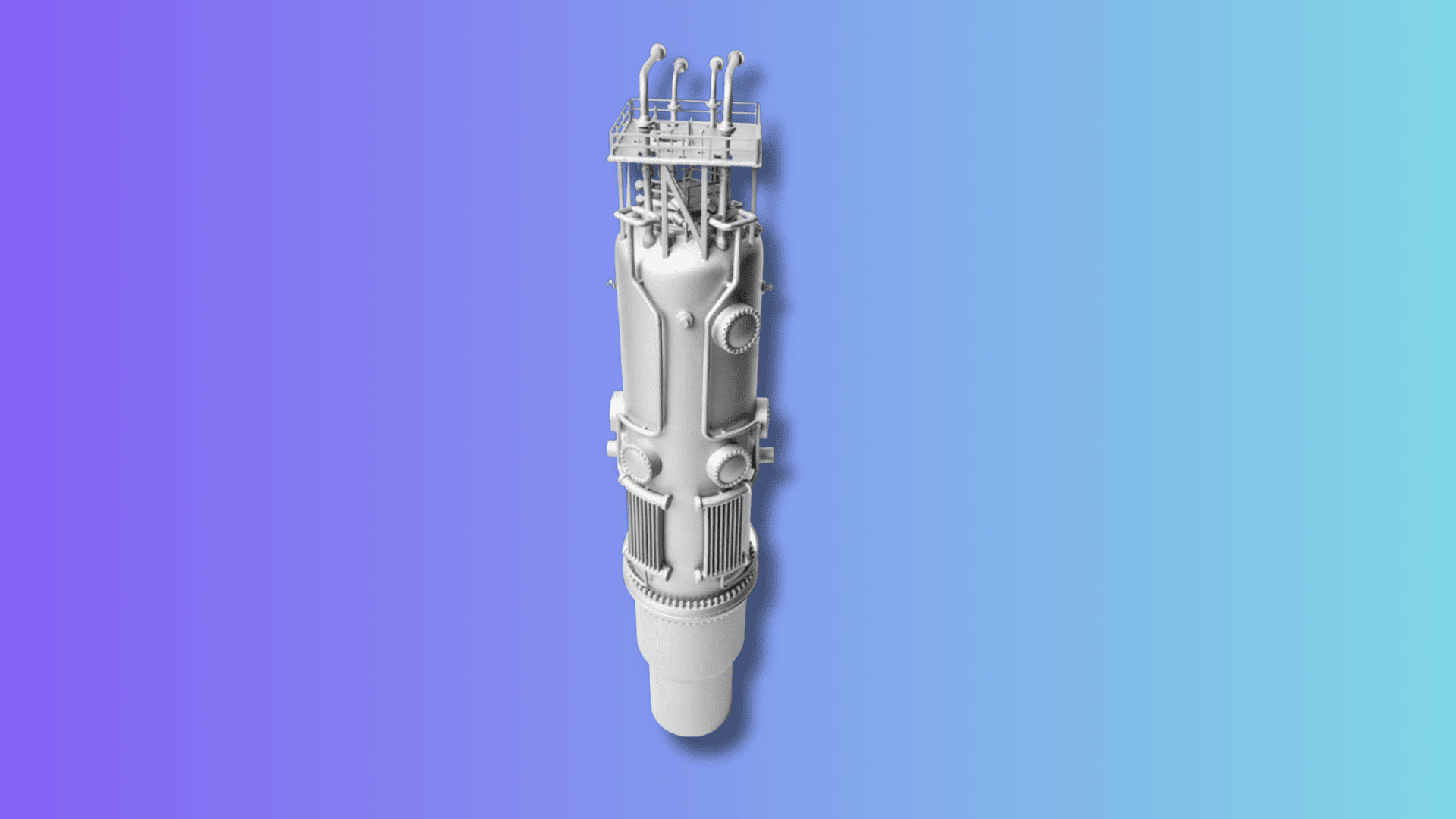
Additionally, SMRs offer a lower initial capital investment. Because they are smaller, they can go places where large plants won’t fit. This might work for isolated areas, smaller electrical grids, or sites that want to replace aging fossil fuel plants with energy that doesn’t emit greenhouse gases.
Advertisement
The beauty of a modular design is that if a town needs additional power, another module could be constructed.
These smaller reactors also work well with other energy sources. They can pair up with renewables to keep the power grid stable. Some designs even run hot enough to provide heat for industrial processes.
SMRs Offer More than Just Energy
Most SMRs will be built underground, which helps protect them from natural disasters and sabotage. According to the Department of Energy, engineers use “security by design” concepts to make them highly resistant to theft. Some are even designed to run for long periods without refueling. They get fueled at the factory, sealed up for power generation, and sent back when they are done.
A 2010 study on the economic impacts estimated that a single 100-megawatt SMR costing $500 million would create nearly 7,000 jobs. That same plant could generate $1.3 billion in sales, $404 million in payroll, and $35 million in taxes. If a lot of these units are ordered, mass manufacturing them could bring costs down while growing domestic factory and construction jobs.
 Read Exclusive Stories
 Bookmark & Save Articles For Later