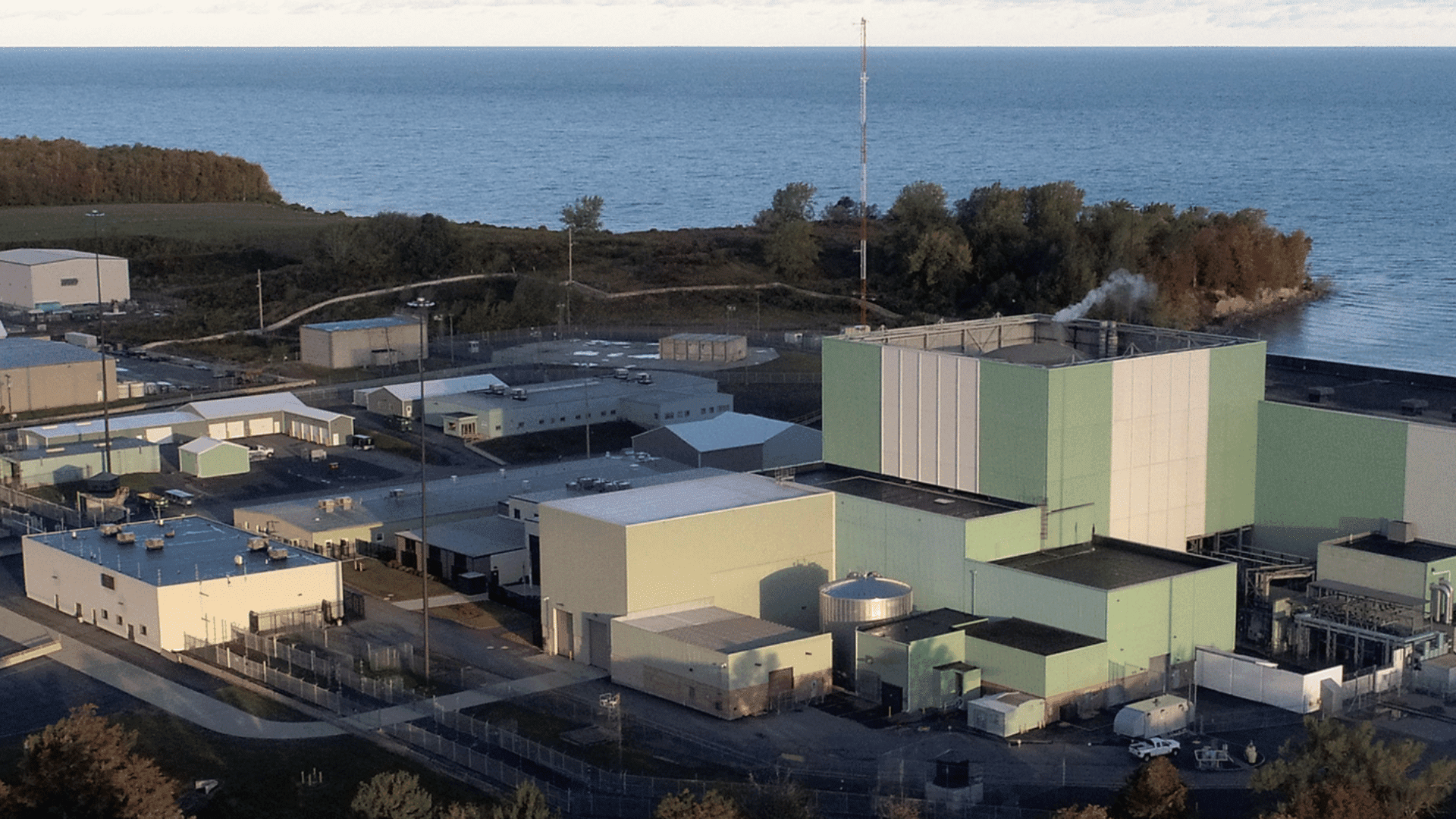
New York is trying to keep two upstate nuclear power plants running until 2049. Constellation recently filed paperwork with the Nuclear Regulatory Commission (NRC) to extend the licenses for its Ginna Clean Energy Center and Nine Mile Point Unit 1 reactors.
Constellation is investing in these plants to keep them running into mid-century. According to the energy company, it proves New York’s Zero Emissions Credit (ZEC) program is working.
“We commend Governor Hochul and the Public Service Commission for recognizing the unmatched safe, reliable, zero-emission power our upstate nuclear fleet delivers and for taking actions to keep these key assets running,” said Joe Dominguez, president and CEO of Constellation. “Constellation’s four upstate nuclear units provide nearly half of the state’s clean power, support thousands of family-sustaining jobs and generate millions in local tax revenue.”
Keeping the Nuclear Reactors Alive
Advertisement
Extending the ZEC program is projected to save ratepayers $50 billion by 2050 and add $38 billion to the state economy. It also secures 14,000 local jobs and preserves $10 billion in state tax revenue.
“Extending the operational life of New York’s nuclear fleet is crucial — it’s the backbone of our energy future and a lifeline for working families across the state,” said Greg Lancette, International Representative, United Association of Union Plumbers, Fitters, Welders and Service Techs. “These plants fuel thousands of good-paying, union jobs that support families, strengthen local economies, and keep communities stable.”
The Next Steps
Before the 20-year extension happens, the NRC is reviewing the plants’ safety systems, equipment, and maintenance plans. Constellation filed for Nine Mile Point Unit 1 on March 25, and for Ginna on June 17.
Constellation already invests billions to run its fleet safely. The company noted these current sites make sense for future nuclear development because the infrastructure and community support already exist. For context, a second reactor at the site, Nine Mile Point Unit 2, is already licensed through 2046.
 Read Exclusive Stories
 Bookmark & Save Articles For Later