Cargo ships handle most of our global trade, but they also dump a lot of air pollution onto coastal cities. Right now, the usual fix is to make ships use cleaner fuel or tell them to simply drive more slowly.
Simply telling a ship to slow down adds travel time and doesn’t always prevent sudden spikes in pollution for people living nearby. That is because pollution levels depend heavily on the wind and weather, which push the exhaust directly into populated areas.
A Smarter Way to Sail
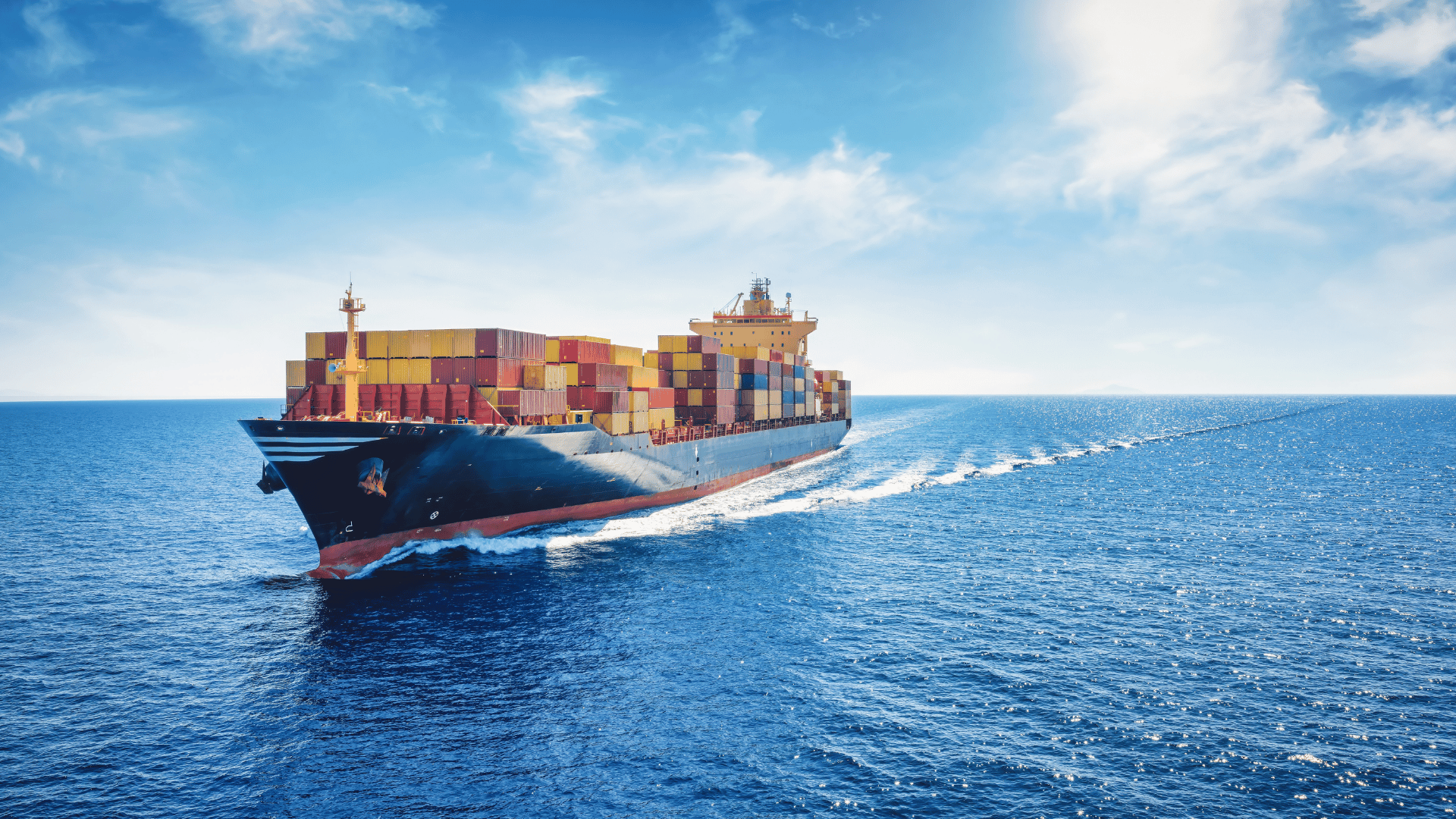
A team of researchers at Pusan National University in South Korea developed a new AI tool to fix this. Led by Assistant Professor Dowon Kim, along with PhD student Seongbeom Park and Professor Jinhyeok Yun, they built a system that looks at the actual weather to guide ships.
“By integrating real-time environmental conditions into navigation decisions, our system recommends optimal routes and speed profiles that reduce pollution reaching coastal communities,” explained Dr. Kim.
Instead of forcing every ship to use the same strict speed limit, this new system acts fast. It takes limited sensor data and uses it to figure out exactly how the wind is moving. Then, it predicts where the ship’s exhaust will blow.
Advertisement
The researchers call this “temporal navigation.” The system actively adjusts a ship’s route and speed to find the best weather windows. It successfully balances saving fuel with keeping the air clean.
Cleaner Air for Coastal Towns
For people living near water, especially in coastal towns, this a big development.
“The greatest risk of pollution to nearby communities is often determined by when and where the pollutants are transported, rather than how much is emitted,” Dr. Kim added.
The researchers tested this AI around the Busan Port. Compared to older, traditional methods, the AI approach performed 20% to 35% better overall. Most importantly, it actually cut the peak pollution hitting the area by 34% to 78%.
This tool can help do a lot for the future of sea travel. Beyond just cleaning up the air, it could help digitally manage busy ports and even guide autonomous ships.
 Read Exclusive Stories
 Bookmark & Save Articles For Later