Researchers at the University of Cambridge are addressing the plastic problem and the demand for a source of clean energy. The research team developed a way to turn an ordinary plastic bottle into clean hydrogen fuel using sunlight. They’re now moving the technology from a concept to an actual solution.
From Plastic to Hydrogen
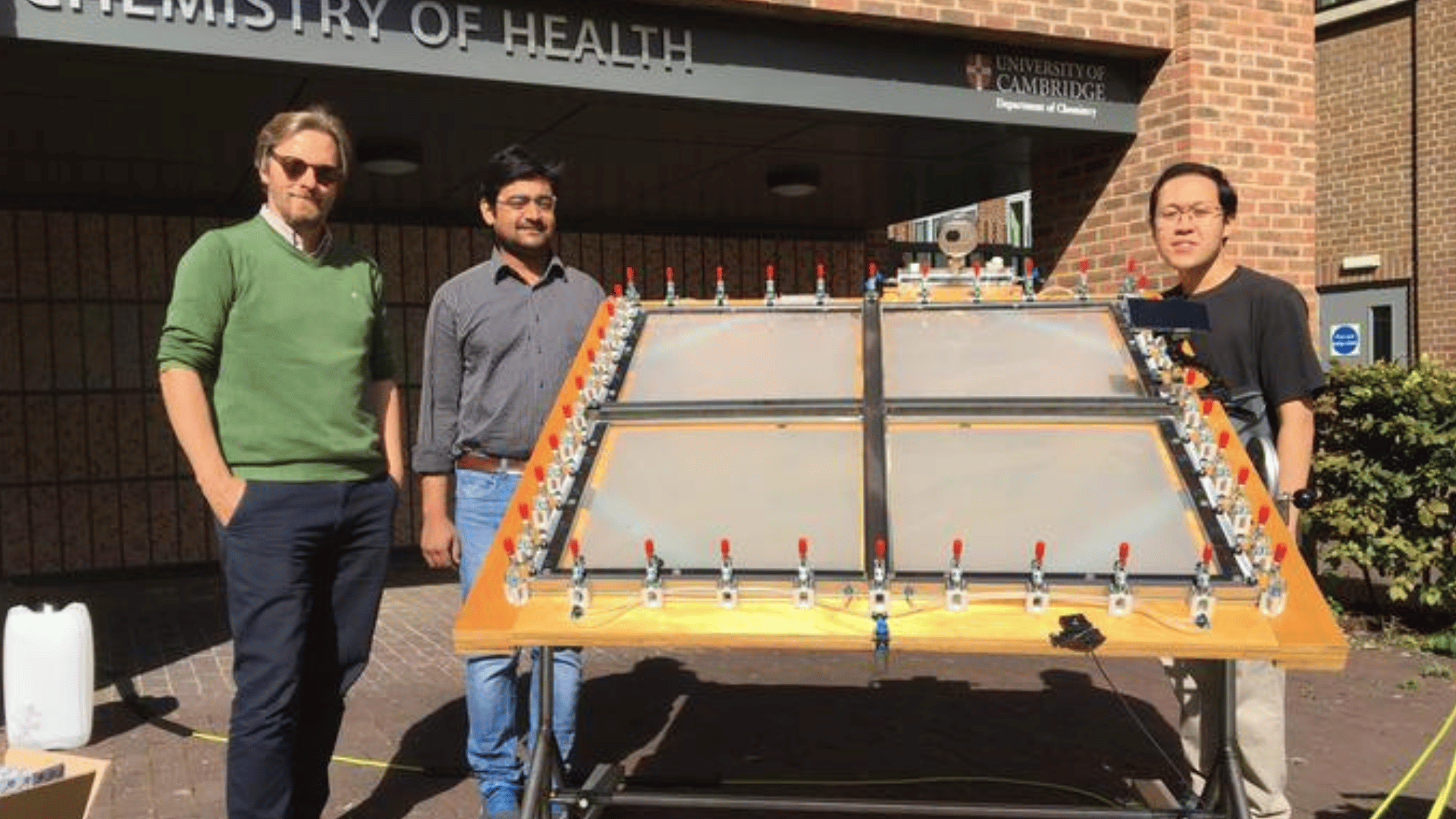
The team previously proved their concept on a small, 25-centimeter square panel, but that wasn’t enough to help with global waste. So, they built a one-meter square panel and tested it outside under natural sunlight.
Instead of using sunlight to make electricity like standard solar panels, it produces a chemical reaction that breaks down water and plastic waste to release hydrogen and useful chemicals.
“If we’re really going to change the way we deal with the twin problems of plastic pollution and clean energy generation, we’ve got to develop a very scalable way to make these photocatalyst materials and reactors — and show that they really work outdoors,” said Professor Erwin Reisner, who led the research.
Advertisement
Getting to this point was not easy and researchers ran into challenges. For example, old versions needed high heat and complicated chemical baths.
“When we started trying to scale this technology up, we quickly found out that what seems simple on a small scale is not simple at all when you’re trying to make it at scale,” said co-first author Ariffin Bin Mohamad Annuar. “We can’t really have giant vats of solution to make these panels – it’s just not practical at scale.”
A simple spray coating
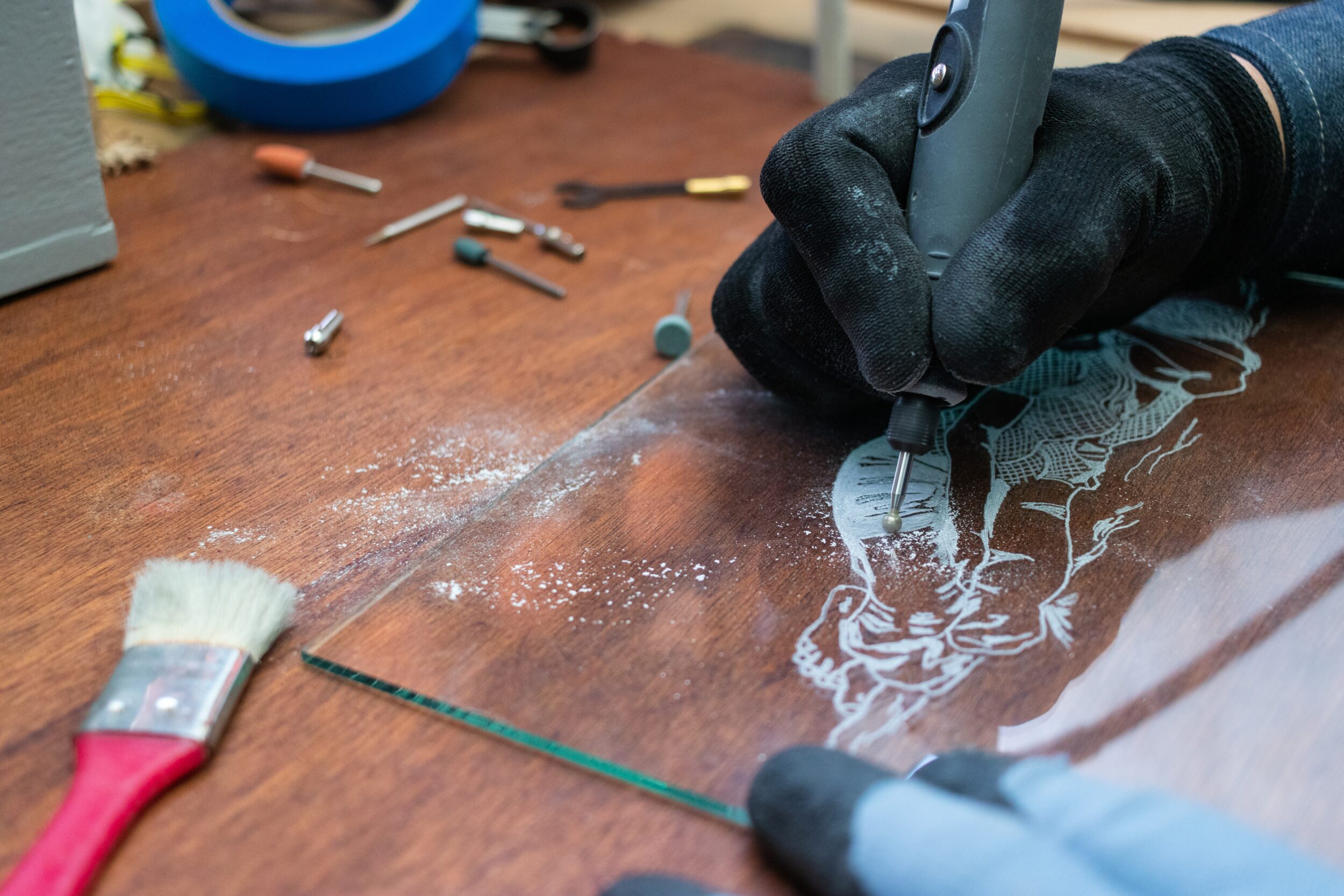
They changed how they built the panels to address this issue. The team created a new mix using cobalt and zirconium. Now, they use a tool similar to a household paint sprayer to coat the glass at room temperature, reducing the need for special equipment.
“What surprised me was, after all the optimization, just how simple it is,” said Mohamad Annuar. “We just have this huge panel, we spray our catalyst on it, put it into our solution, put it under the sun, and it produces hydrogen and other valuable chemicals just from plastic waste. It’s just simple and scalable.”
The team successfully tested this on cellulose and PET plastic soda bottles. They also ran a cost analysis, showing the spray method cuts production costs significantly. However, the researchers admit they still need to improve the panels’ durability and efficiency before commercial production happens.
 Read Exclusive Stories
 Bookmark & Save Articles For Later