It’s been a year since the first human bladder transplant. Dr. Nima Nassiri at UCLA Health recently published a paper in The Lancet detailing the progress of that first patient, and the results are promising.
Oscar Larrainzar went seven years without a working bladder and relied on dialysis. In May 2025, however, he received a new kidney and a bladder. Now 43, he is back to work, traveling, and spending quality time with his family without his old medical equipment.
“To be honest, I didn’t believe it would happen – that the surgery would be so successful and I would wake up and not even need a catheter,” Larrainzar said. “I never imagined I’d be going back to having just a normal life.”
The First Bladder Transplant’s Success
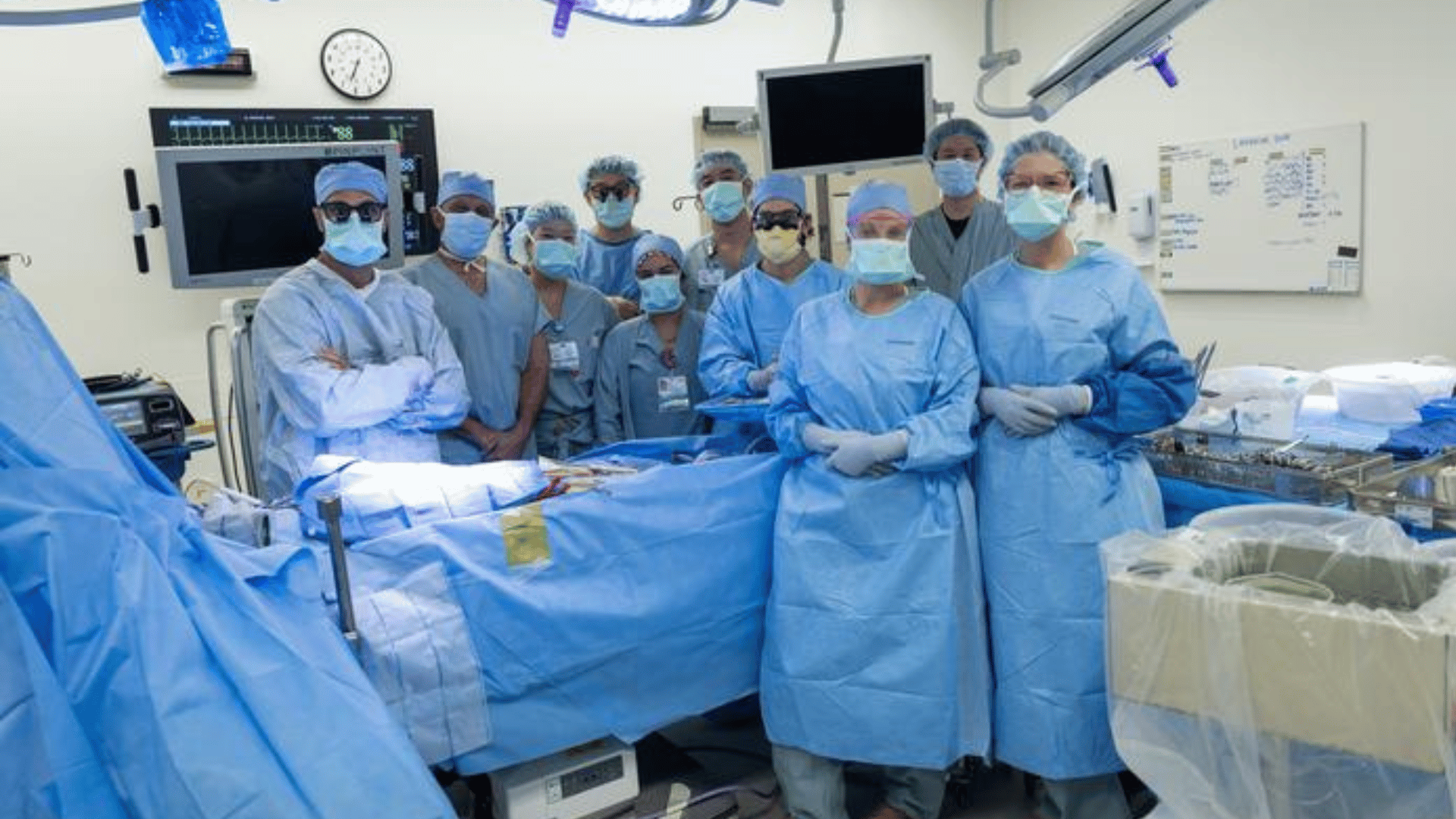
In the past, doctors tried to build bladders from intestinal walls, which often caused serious infections. This new surgery, pioneered by Nassiri and Dr. Inderbir Gill of USC, transfers a whole organ with its own blood supply.
By the six-month mark, Larrainzar could hold 20 ounces of urine, the full capacity of a normal, healthy bladder.
Advertisement
Despite the positive results, surgeons ran into a problem early on. Larrainzar developed a urine leak on day 25 from a backup drain tube. He needed another surgery to fix the infection and close the leak. The team studied the complication and learned they can skip using those extra backup tubes in future transplants entirely.
Performing More Transplants
Since that first success, they have done two more combined kidney and bladder transplants. The second patient had a complication and the new bladder was removed, though his new kidney works well. The third patient is about two months out and urinating by himself without a catheter.
“We learn from each procedure,” Nassiri said. “Our hope is to help many more patients – especially those with end-stage bladder disease who haven’t had much hope for a normal life.”
Now, the team plans to try a second bladder transplant for the patient whose new organ failed.
“It’s not a fairy-tale story. These things happen,” Nassiri said. “But the fact that you could re-transplant a bladder would tell us that even in the event of bladder failure, salvage may be possible and we may still be able to help these folks. That would guide future treatments and protocols for these patients.”
 Read Exclusive Stories
 Bookmark & Save Articles For Later