Galaxies are full of mysteries out there in space. However, there are times when the thick dust particles between galaxies make it hard for astronomers to focus their efforts on capturing specific galaxies on film.
One such galaxy that astronomers have been trying to focus on for years is Messier 82, or the Cigar Galaxy for short.
The Cigar Galaxy is located approximately 12 million light-years from Earth. However, it is making new stars at an incredible rate. Efforts by observatories like the Hubble Space Telescope have been unable to focus on the galaxy due to the heavy amount of interstellar dust between Earth and the Cigar Galaxy.
However, the James Webb Space Telescope has finally captured the essence of the Cigar Galaxy.
Piercing Through the Dust
Using its infrared cameras, the James Webb Space Telescope spent 65 hours focusing its lens directly on the Cigar Galaxy. As a result, astronomers obtained a new look at the galaxy.
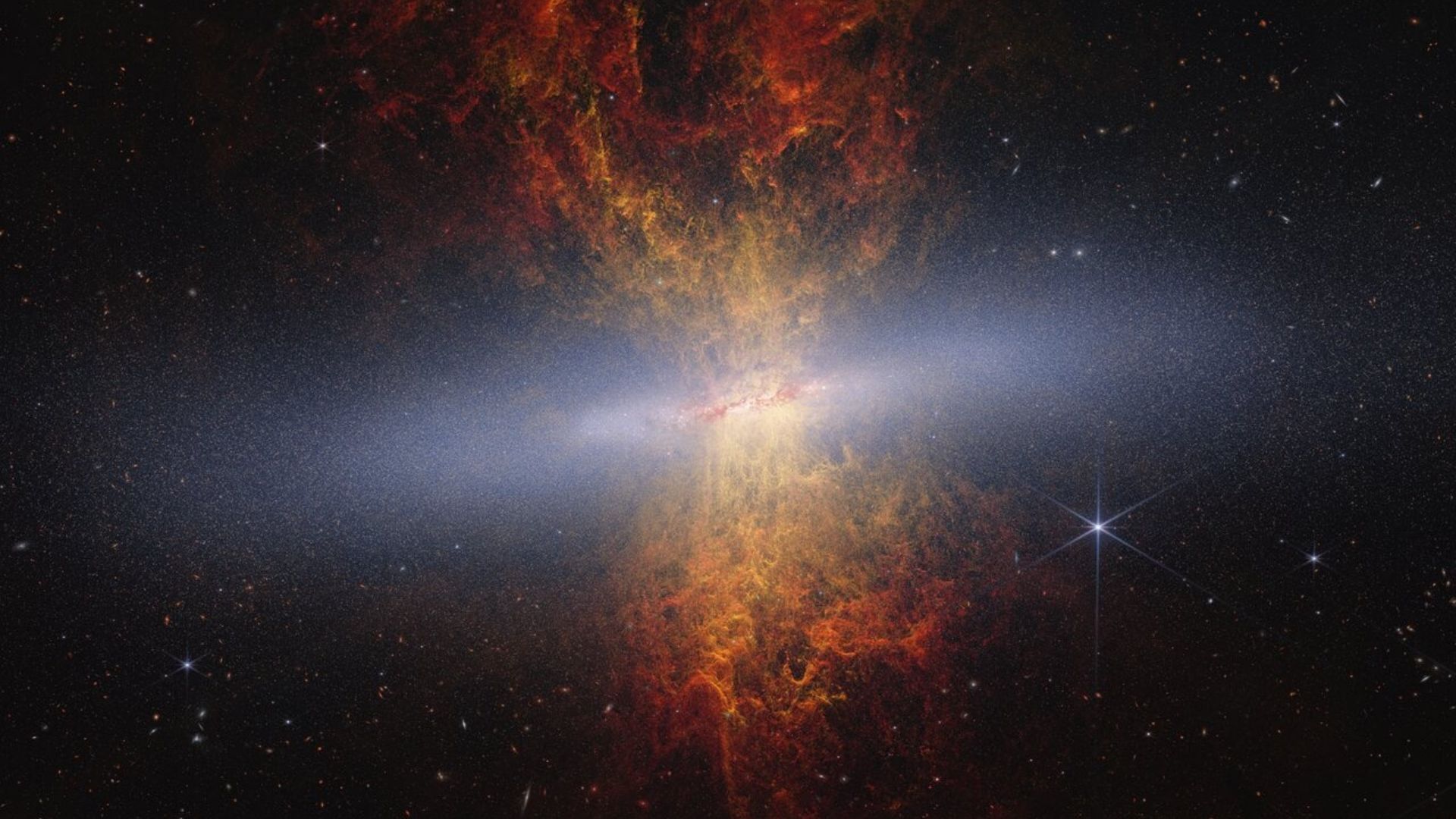
Whereas previous telescopes like the Hubble Space Telescope were obscured by interstellar dust, the sensors on the James Webb Space Telescope could peer through it to observe objects within the Cigar Galaxy.
The James Webb Space Telescope was able to identify 16.5 million individual stars within the Cigar Galaxy. These stars appeared as bright blue granules within the telescope’s sensors. However, this is only a fraction of the total number of stars in the galaxy. There are additional stars within the Cigar Galaxy that are too faint for the James Webb Space Telescope to spot.
A Star-Building Frenzy
Advertisement
Due to the rapid rate at which the Cigar Galaxy forms new stars, it is classified as a starburst galaxy. The Cigar Galaxy forms new stars at a rate that is ten times faster than the Milky Way Galaxy, where Earth exists.
Astronomers believe that the rapid formation of stars within the Cigar Galaxy is the result of its collision with another galaxy in the past.
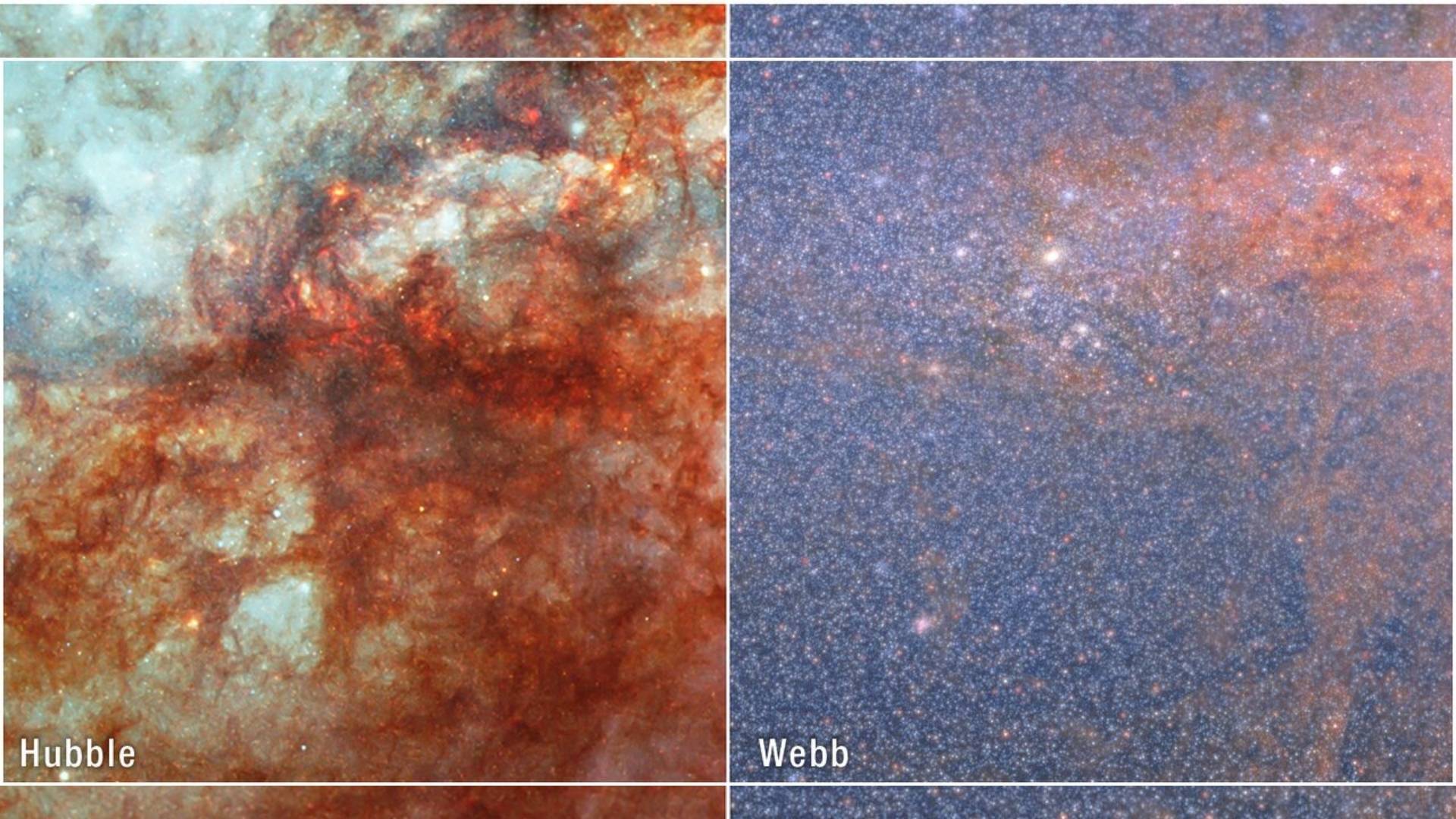
Due to the rapid formation of stars, the Cigar Galaxy expels matter at an incredible rate. These outflows of matter are visible in images from the James Webb Space Telescope. Massive clouds of gas and dust are visible shooting out from the Cigar Galaxy from both the top and the bottom of the disk of the galaxy.
These outflows of gas and dust create the shape of an hourglass. Within the hourglass shape visible within the James Webb Space Telescope images, yellow threads of gas are visible. These gaseous particles are extremely hot and ionized. Additionally, the orange areas visible in the image are cooler dust particles that have been blown away from the center of the Cigar Galaxy faster than the hot gas.
What Happens Next?
The current rate at which the Cigar Galaxy is forming stars will not last forever. In a few hundred million years, the galaxy will fade out.
The reason that the galaxy is forming stars at such a rapid rate is unsustainable. Eventually, the galaxy will run out of the materials required to create new stars.
At this current stage, the Cigar Galaxy is providing astronomers with an exceptional view of a galaxy in overdrive. By studying the Cigar Galaxy and its images from the James Webb Space Telescope, researchers will gain insight into how galaxies grow over time. Thus, the observation of the Cigar Galaxy provides the scientific community with a rare view of one of the busiest objects in our local universe.
 Read Exclusive Stories
 Bookmark & Save Articles For Later