A large engine that runs completely on pure hydrogen has successfully supplied electricity to Spain’s national grid. This is the first time that a large-scale hydrogen engine has provided electricity to a power grid during a demonstration.
While there are plenty of renewable energy options, most of them have limitations. For example, solar power faces cloudy days, and wind turbines battle calm days. Instead of relying on fossil fuels during times of limitation, engineers want to turn to hydrogen to do the job. Hydrogen is capable of providing electricity without the emissions. This recent trial shows that while also supplying green energy to the grid when it needs backup power.
A Hydrogen Theory Becomes a Reality
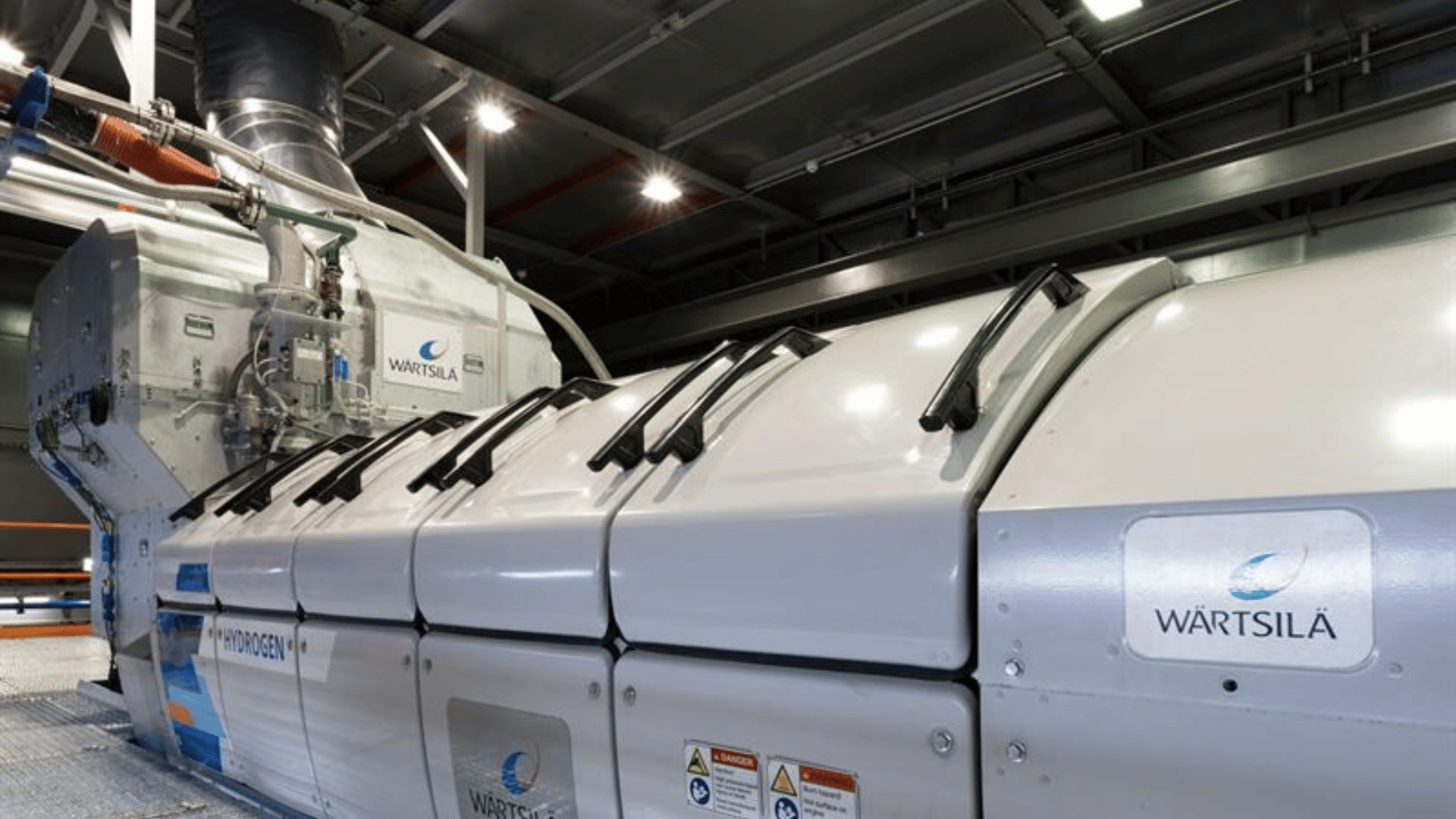
The trial engine, Wärtsilä 31H2, is currently the largest pure hydrogen engine in the world. Spain is known for adopting various sources of renewable energy, making the country an ideal location to see how the technology handles the grid.
In an ideal world, hydrogen engines will support energy-intense industries, including manufacturing plants and data centers, to keep them running cleanly even if its not connected to the main grid.
Advertisement
Scaling the Technology
Initial tests proved that the hydrogen engine is capable of supporting a large-scale grid with clean energy. However, more work is necessary to make these engines a standard feature of global power grids.
“This is a trial for the future of renewable power. As countries rapidly scale wind and solar energy, one of the biggest challenges facing the energy transition is how to maintain reliable electricity supplies sustainably during periods of low renewable generation or spikes in demand,” Rasmus Teir, Director of Technology Strategy & Decarbonisation at Wärtsilä, explained. “Today, our Wärtsilä 31H2 hydrogen engine is operating on 100% hydrogen and supplying power to Spain’s national grid, demonstrating that large-scale hydrogen engines can provide the flexible, dispatchable sustainable power needed to support future renewable energy systems.”
Naturally, there is an abundance of “red tape” that countries must clear in order to build the right infrastructure and pass regulations. While engineers are confident in the technology’s abilities, they have turned their focus to scaling it.
“Now, the focus must be on creating the right environment to scale it, underpinned by decisive regulation, investment clarity, and the infrastructure needed to accelerate the growth of renewable energy and sustainable fuels like hydrogen,” Teir added. “The technology is here – now it’s time to scale it.”
 Read Exclusive Stories
 Bookmark & Save Articles For Later