If you walk past a muddy pond, you might notice lotus flowers rising out of the muck. Here is the weird thing: their leaves are always perfectly spotless. For centuries, people assumed the leaves were just incredibly smooth. But back in the 1970s, two German botanists, Wilhelm Barthlott and Christoph Neinhuis, decided to examine a leaf under a scanning electron microscope.
What they found surprised everyone. The leaf was not smooth at all. It was actually covered in a rough landscape of microscopic bumps made of wax.
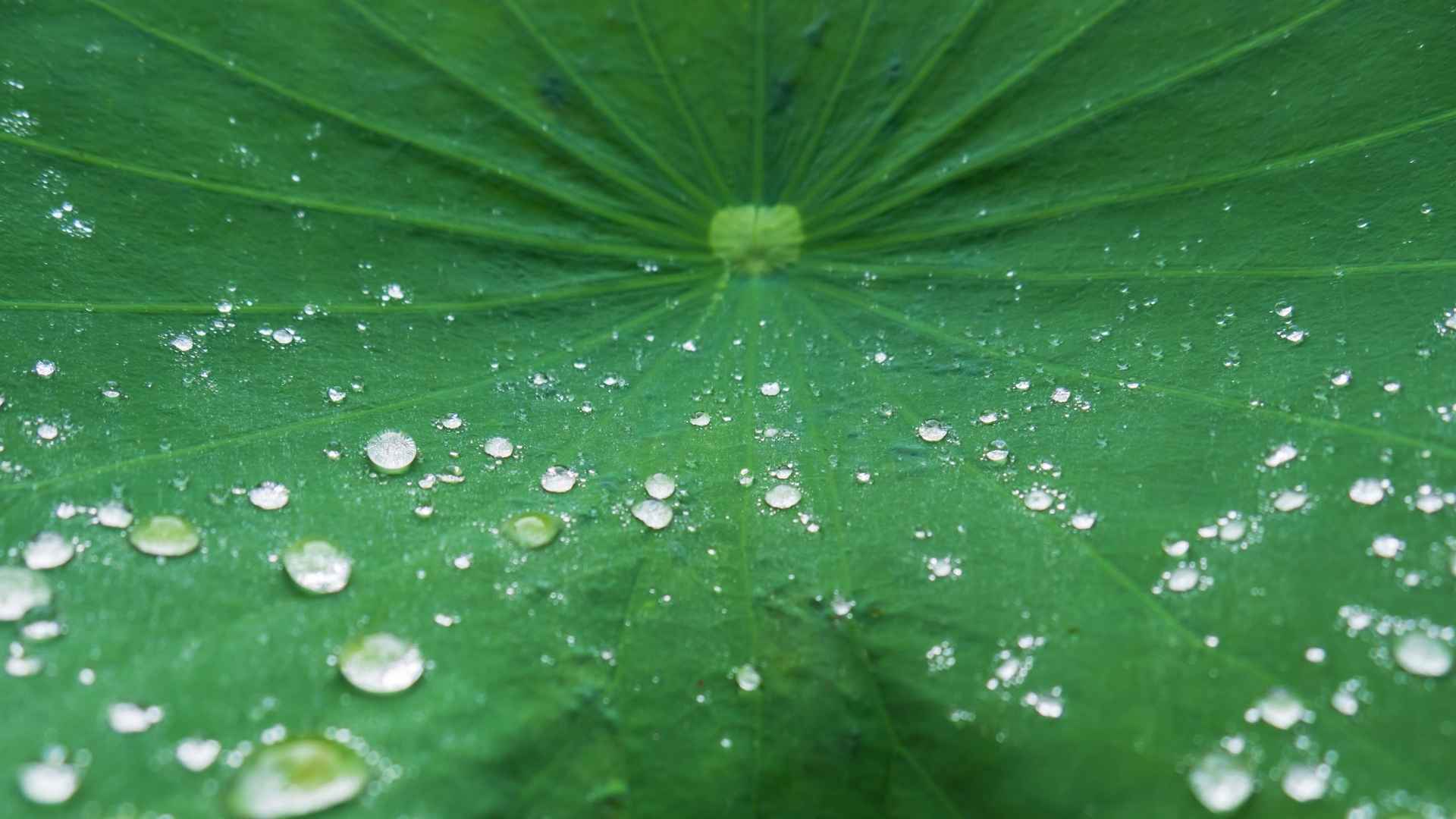
When a drop of rain hits a normal, flat surface, it spreads out and leaves a wet streak. But when water hits the bumpy surface of a lotus leaf, it cannot get a grip. Instead, the water beads up into perfect little spheres. Because the leaf is tilted, these water droplets roll right off. As they roll, they act like miniature vacuum cleaners. They pick up loose dirt, dust, and fungal spores, leaving the leaf completely clean and dry. Scientists call this the “lotus effect.”
Nature’s Self-Cleaning Paint
It took a couple of decades, but material scientists realized they could copy this biological trick to solve a major human headache: dirty buildings. Cleaning the outside of skyscrapers and houses takes massive amounts of water, labor, and harsh chemical detergents.
Advertisement
In 1999, a German company called Sto took Barthlott’s research and created the first commercial self-cleaning building paint, called Lotusan. Just like the leaf, the paint dries into a microscopically rough texture. When it rains, water beads up and carries the dirt away, keeping the facade clean for years without power washing.
Today, this tech is moving way beyond house paint. Engineers are using similar micro-textures on solar panels. Dust and grime can block sunlight, dropping a solar panel’s energy output by over 20%. By applying a clear lotus-effect coating, regular rainfall keeps the glass clear, maintaining high energy production without requiring maintenance crews to manually rinse it off.
The Real-World Limits
But here is the catch. These surfaces are not magic; they have real limitations. The tiny waxy bumps that repel water are fragile. If someone scrubs the wall or heavy grit scrapes against the coating, the microscopic structure can be crushed. Once the texture is gone, the self-cleaning effect disappears.
Right now, researchers are working on making these coatings much tougher so we can use them on things like car windshields and smartphone screens. We are not quite there yet. But the progress we have made shows how looking at a simple pond plant can change how we build our cities, manage our energy, and keep our world clean.
 Read Exclusive Stories
 Bookmark & Save Articles For Later