Turning Industrial Junk into Kinetic Creatures
Most people see industrial junk going to the landfill. However, artist Nemo Gould in Berkeley sees it as the “big break” for these once-functional objects. As the “Chairman of the Hoard,” Gould has amassed a collection of old mechanical objects over the years that have been transformed into whimsical robots and creatures.
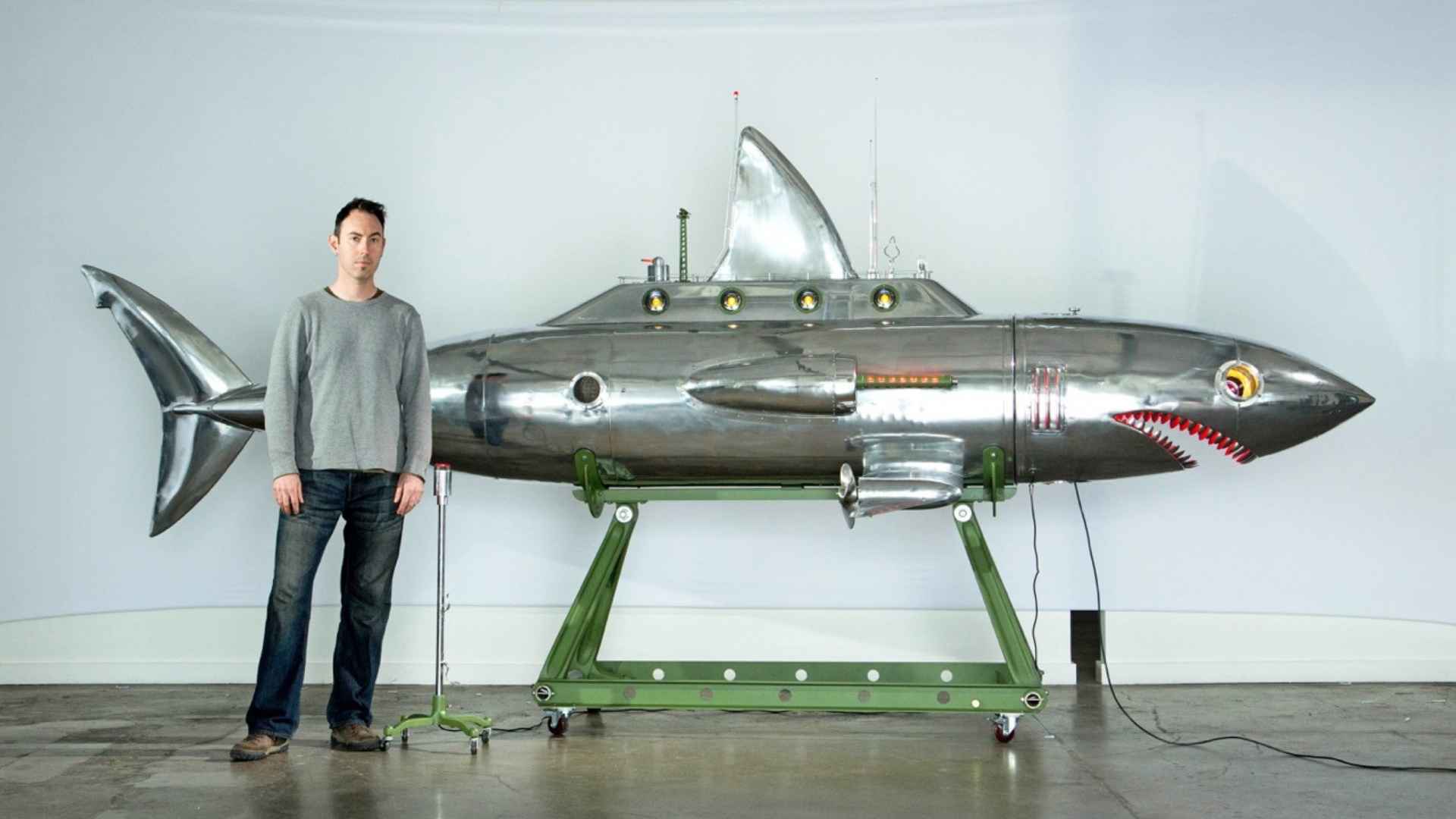
These creatures are also “kinetic,” meaning they come to life with the press of a button or turn of a knob. A floor polisher has become the body of a giant insect with wings that flap. Old gasoline pumps have become robots with glowing hearts.
The Big Store
According to Gould, all his objects come from “The Big Store,” a nickname for the area’s various recycling centers. Gould once spent years as an artist-in-residence at Recology, the waste management facility in San Francisco, where he was granted “scavenging privileges” to save the best-quality junk before it was ground up.
Advertisement
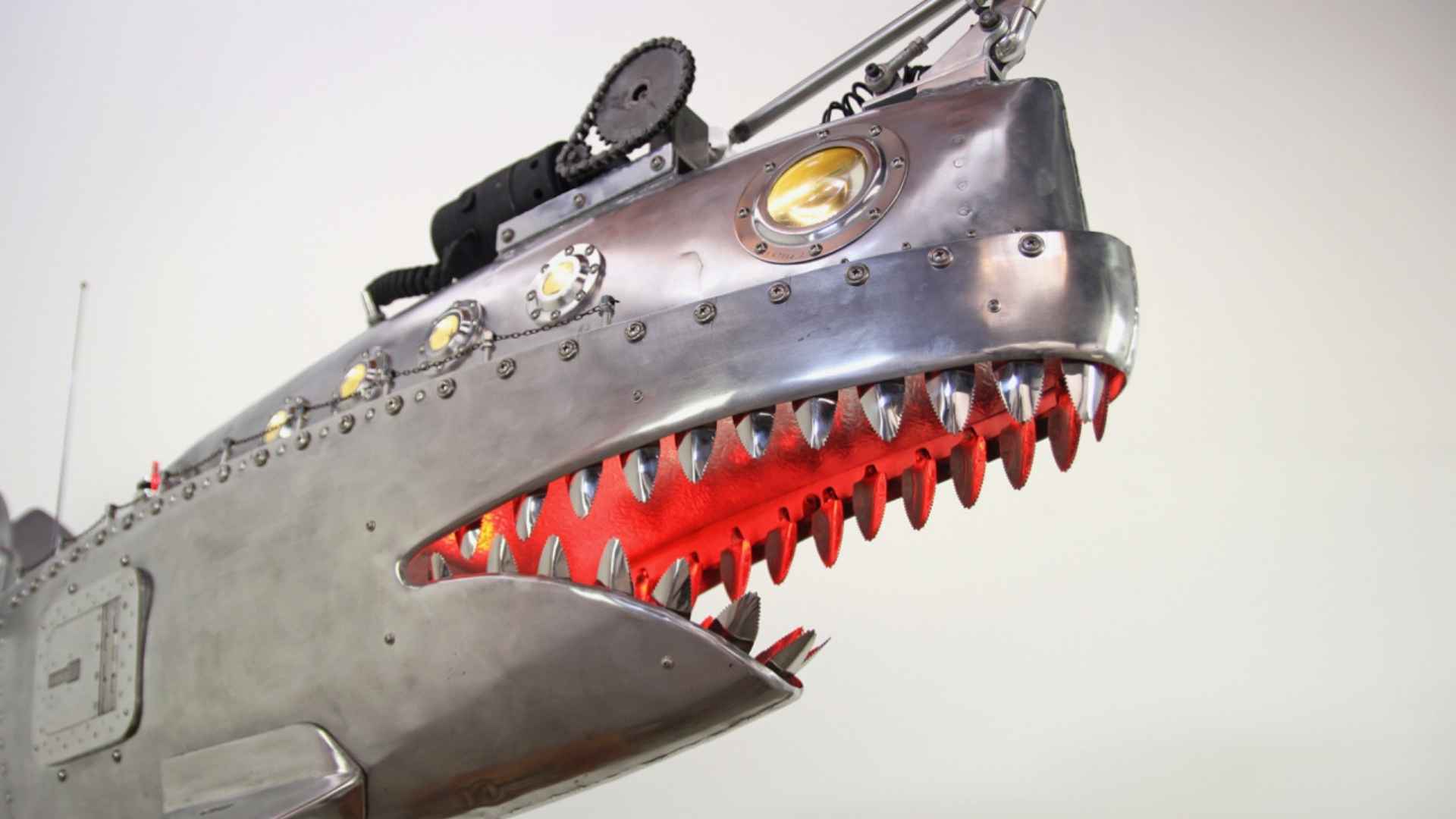
He looks for objects with a specific “personality.” The “eyes” in the vintage headlights or the “ribs” of an old radiator catch his eye. Gould also does not cast any new metal in creating his sculptures. All of his sculptures are “cold assembly,” meaning the parts were preexisting, but he finds a way to make them work together like a giant 3D puzzle.
Seriously Silly Engineering
The engineering behind his creations is “seriously silly.” While the designs of his sculptures may read like those of a 1950s science fiction comic book, the engineering behind them is extremely complex. Gould is self-taught in mechanical engineering, electronics, and the wiring behind his kinetic sculptures.
His ultimate desire with each sculpture is to elicit a “child-like response from a jaded adult.” Many of his sculptures use various old home appliances that children and adults alike are very familiar with. By giving these objects a new life, Gould inspires people to experience wonder at their manufactured world. His upcoming 2026 exhibition, entitled Kinetikos: of motion, will continue to showcase his awe-inspiring sculptures, proving that even the “trash” we create for industry has a life of its own.