It’s always better when doctors can catch breast cancer early before it has time to develop. Using AI, it’s now possible to catch breast cancer six years before a doctor’s diagnosis. A new study shows that this is a real possibility.
Researchers in Sweden recently tested three commercially available artificial intelligence systems on old mammogram data. The results, published in the journal Radiology, show that these AI tools can spot early warning signs of breast cancer significantly earlier than traditional methods.
Catching Signs of Breast Cancer
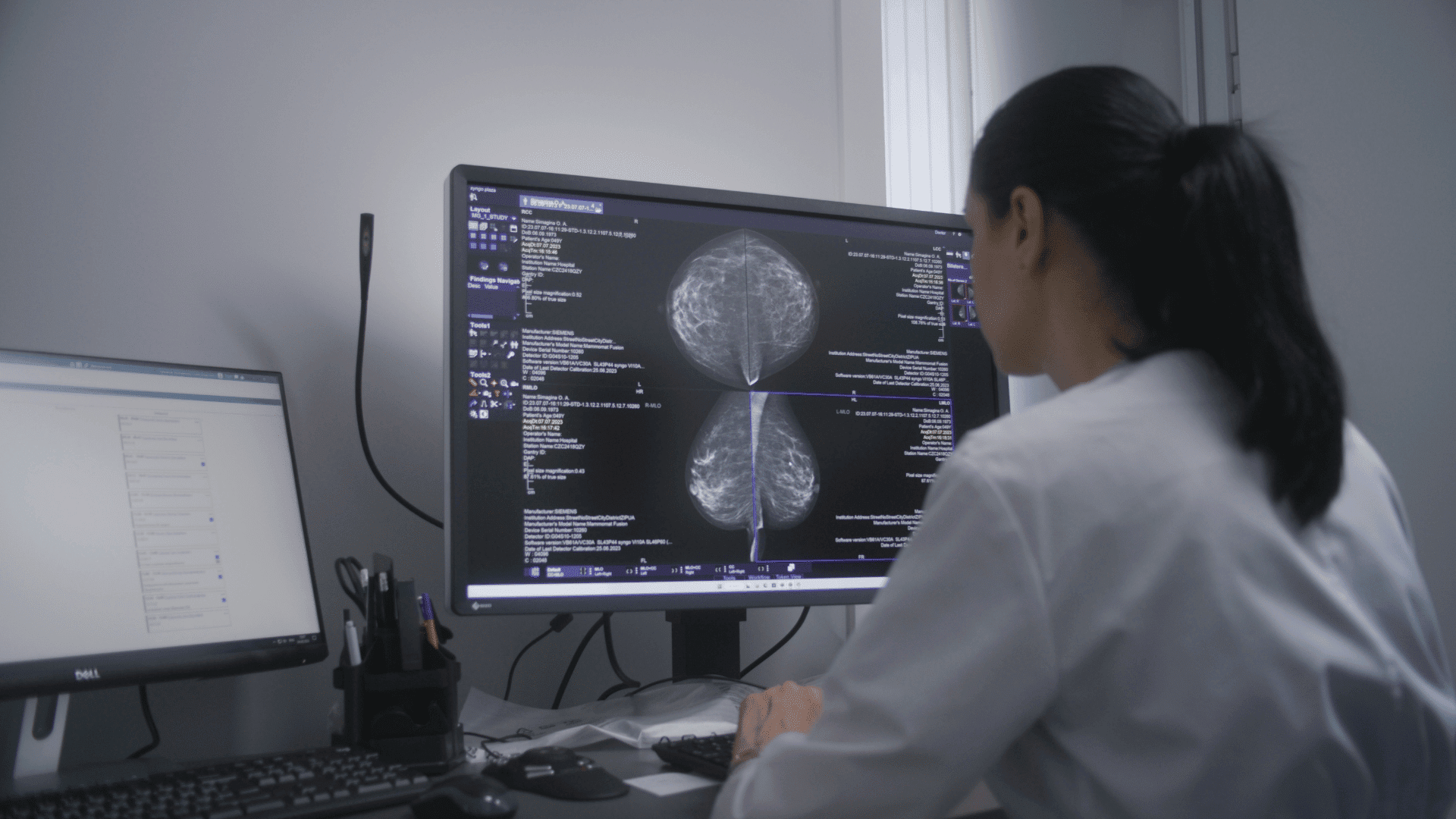
The research team, led by Dr. Fredrik Strand at Karolinska University Hospital, wanted to see if AI could flag signs of cancer up to a decade before a diagnosis. To do this, they gathered nearly 89,000 mammograms from more than 31,000 Swedish women taken over a 10-year period.
In Sweden, women between 40 and 74 get screened every two years, and two radiologists usually read every image. In this specific group, radiologists ended up diagnosing about 38% of the women with cancer between 2008 and 2019.
Advertisement
When the team ran those same older mammograms through the three AI systems, they noticed a pattern. The AI consistently gave higher risk scores to the women who eventually developed cancer, while keeping scores low for those who stayed healthy.
“Approximately 20% of breast cancer cases demonstrate mammographic signs that are already visible to AI around 6 years before diagnosis,” explained Dr. Strand. “Our study confirms the potential of AI to, in some cases, find signs of cancer in the mammograms much earlier than when radiologists detected it.”
AI Eyes for Radiologists
Six years before a doctor made a formal diagnosis, the AI accurately flagged early signs in roughly 20% of the cancer cases while keeping false alarms low. As the actual diagnosis date got closer, the AI got even better, picking up signs in about 25% of cases at four years out, and nearly 40% at two years out.
While the study shows AI’s incredible capabilities, researchers emphasized that it does not mean computers are replacing doctors. Instead, these scores can give radiologists a helpful second look, pointing out tiny, easily missed changes in the breast tissue over time.
“This study aims to add to the growing literature regarding the application of AI in breast cancer screening and how it can help play a role in earlier detection of breast cancer,” said Dr. Strand. “Analyzing the AI scores of screened individuals over time could provide insight into how early detectable changes arise, potentially allowing for earlier intervention.”
 Read Exclusive Stories
 Bookmark & Save Articles For Later