NASA has been commissioning art to explain its space exploration for years. However, its latest project, Lifelines, is taking this concept back to Earth. This month, the organization is unveiling its latest murals in several cities in the United States and beyond.
Rather than depicting constellations or astral bodies, these murals show how satellite data can help people survive challenges such as floods, heatwaves, and crop failures.
Seeing Through the Walls
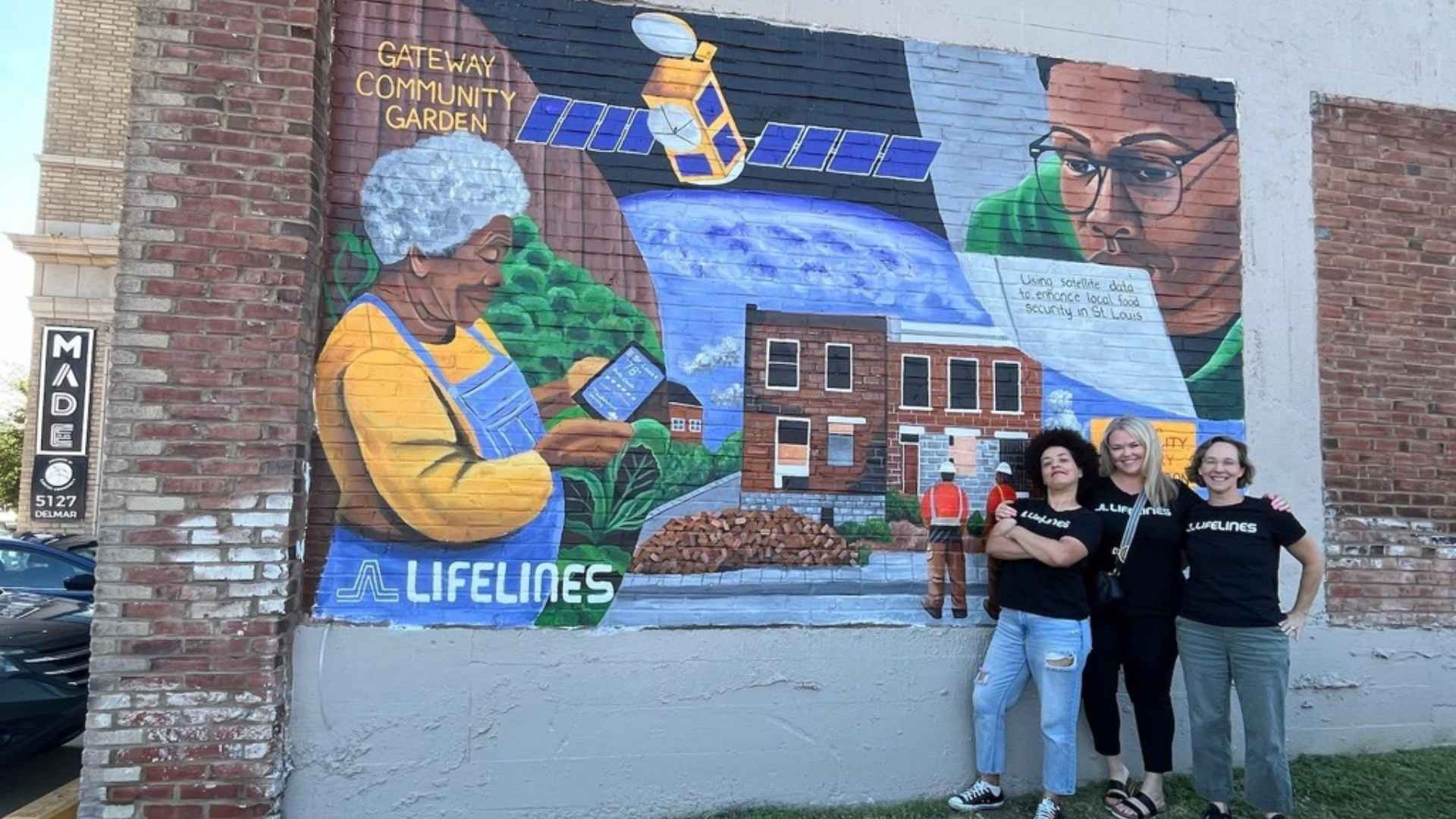
One of the most interesting features of these murals is the use of Augmented Reality (AR) to display data over the art installations. For example, the mural in Nashville and the newly completed mural in St. Louis allow people to use their smartphones to view data projections of the location represented by each mural.
Some projections may depict a summer heat map of the area. Others may display a time-lapse of how a river in the area has changed over the past decade. This interactive feature of the murals allows people to learn more about the specific environmental challenges that their communities face.
Science for the Rest of Us
Advertisement
The NASA Lifelines program works to translate the language of science into something that the rest of us can understand. Typically, satellite data is only used by scientists who wear lab coats. However, by translating these scientific elements into murals depicting the challenges individual communities may face, NASA is making science more accessible to the layperson.
By including a gardener using a tablet to view weather forecasts in one of the new murals, NASA is showcasing how its soil moisture data can aid urban farmers.
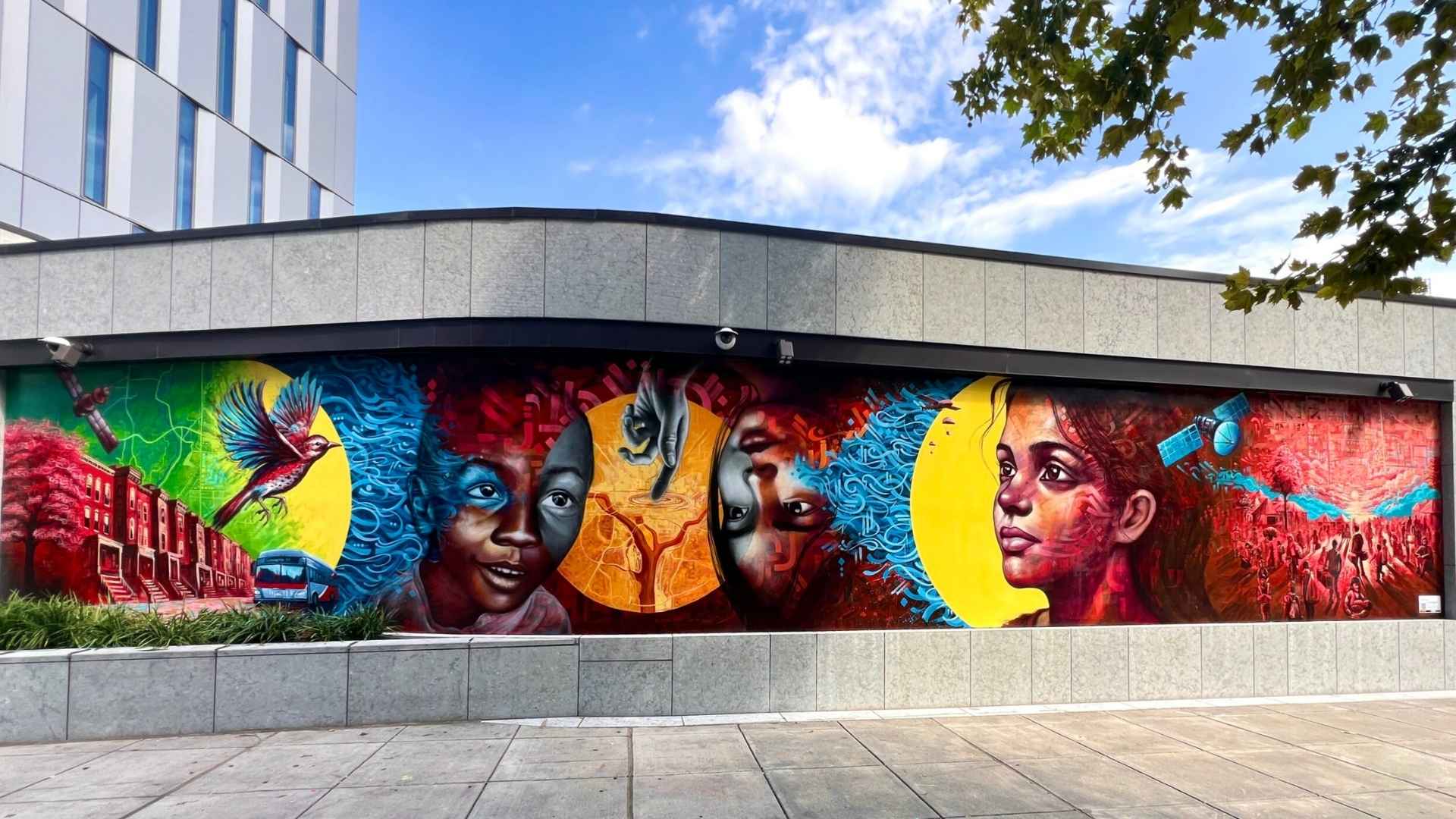
A Global Gallery of Grit
This year’s art competition also included cities in Colombia and additional locations in the United States. This year’s theme is “Crisis Readiness,” which aims to show the challenges that individual communities face and how to overcome them.
By the time the final murals are completed this week, NASA will have established a global gallery of these artworks that depict not only the challenges of individual communities but the technologies available to overcome them.
 Read Exclusive Stories
 Bookmark & Save Articles For Later