According to Gordon Osinski, a crater specialist and planetary geologist at Canada’s Western University, who has been deeply involved in the Artemis II crew’s geology training, the Artemis II photos could lead to big discoveries about the moon’s geology and impact plans for future moon landings.
Artemis II Photos and Crew Observations
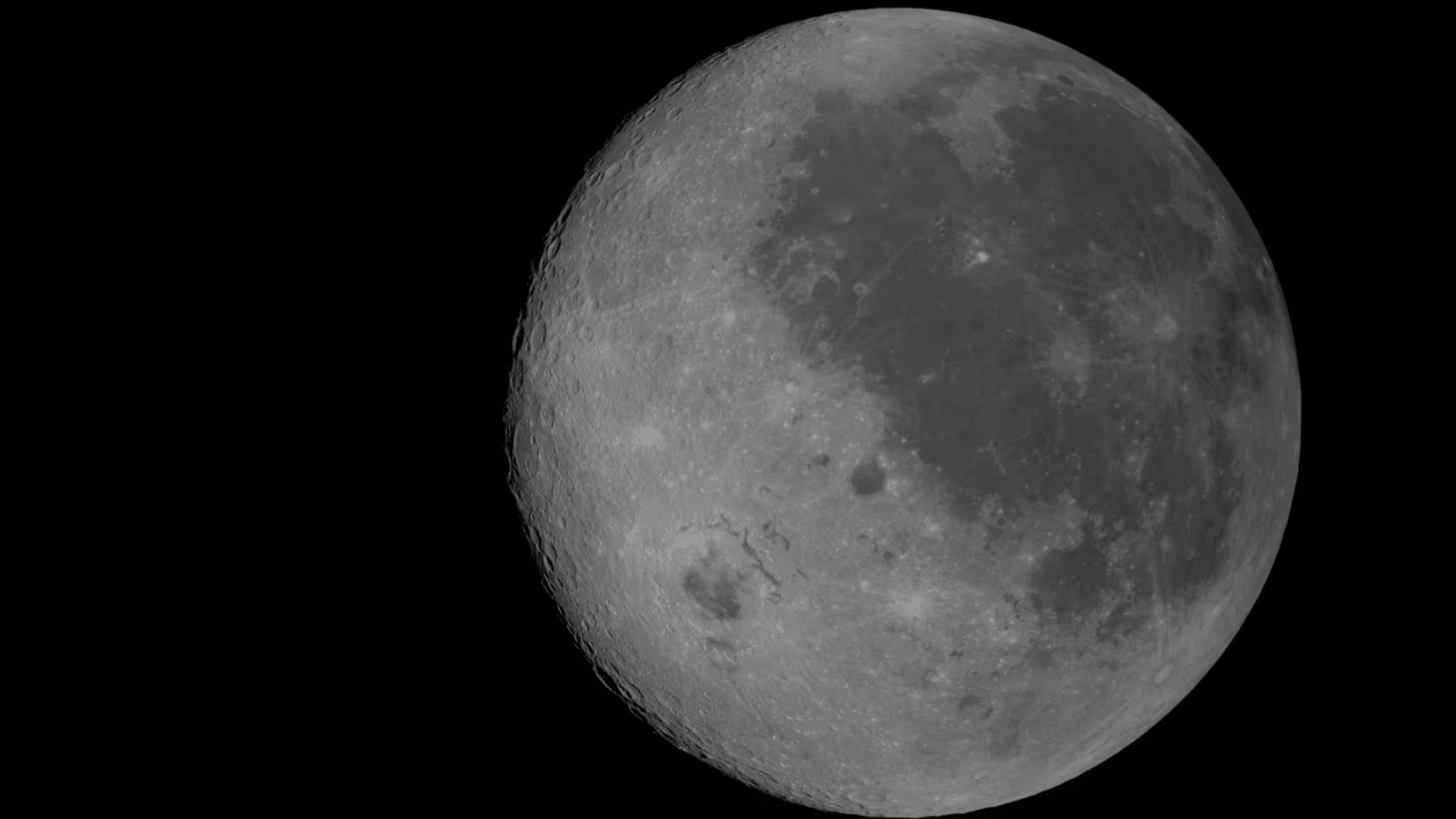
One of the notable geological findings was impact flashes, or bright flashes of light when space rocks hit the moon and leave craters behind. Artemis II astronauts Reid Wiseman and Jeremy Hanson reported seeing at least five of these flashes during their lunar flyby. Geologists hope that the images will help them identify the craters associated with the impacts.
Mission scientists are also excited to investigate the crew’s descriptions of lunar colors. Though the Artemis II crew was recording observations by voice and notes that will take weeks to review, they reported seeing patches of green and brown on the typically viewed as gray lunar surface.
Advertisement
“We do know there is color on the lunar surface,” Osinski said to LiveScience. The human eye, he added, is more sensitive to color than the cameras on board Artemis II, so “that’s definitely going to be something interesting to follow up.”
During their training, the crew embarked on a 2023 expedition to a moon-like crater in northern Labrador, Canada. Because the Artemis II astronauts could not sample the lunar surface directly, they were trained on how to make descriptions.
The crew is also part of a group of less than 30 people who have seen the moon up close in-person and the first lunar astronaut mission in two generations. This allows them to bring decades of new insight into water ice, crater impacts, and other key features of the modern moon.
The insights gained from the photos and crew descriptions will be used to plan future moon landings as they’ll help identify prime areas to collect lunar samples.
 Read Exclusive Stories
 Bookmark & Save Articles For Later