Engineers at Northwestern University have printed new artificial neurons that can communicate with the brain. They used flexible, low-cost materials to create devices that produce electrical signals realistic enough to trigger responses in living cells.
In a recent study, researchers tested these artificial neurons on tissue samples from mouse brains. The results showed that the real neurons reacted to the artificial ones. According to the scientists, this development has significant implications for future medical technology. For example, it could eventually lead to better implants for people who need help with vision, hearing, or movement.
Additionally, these devices could change how we build computers. Right now, our devices use a lot of power. The brain, however, is incredibly efficient. By copying how the brain works, we might be able to run complex AI without needing a large amount of electricity.
Communication With the Brain
Most of our tech today relies on silicon chips packed with billions of identical parts. The brain, however, is soft, 3D, and changes as we learn.
“Silicon achieves complexity by having billions of identical devices,” said Mark C. Hersam, who led the study. “Everything is the same, rigid and fixed once it’s fabricated. The brain is the opposite. It’s heterogeneous, dynamic and three-dimensional.”
Advertisement
Hersam added, “To move in that direction, we need new materials and new ways to build electronics.”
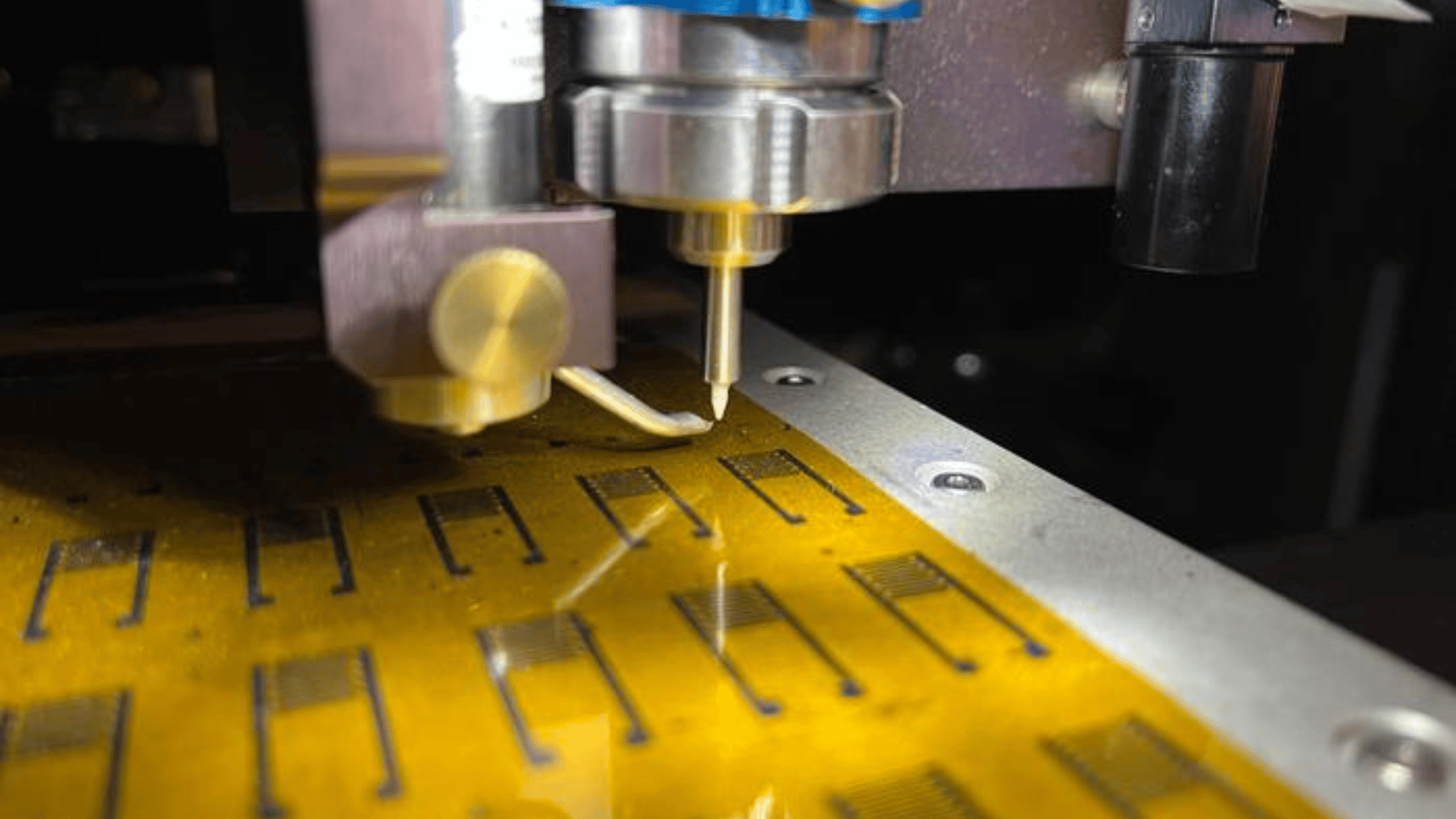
To bridge this gap, the team used a specialized printing process and electronic inks made from materials like graphene. They found a way to use a polymer “imperfection” in the ink to create narrow pathways for electricity. This allows the artificial neuron to send out complex signals, like spikes and bursts, just like a real one does.
Future Implications For AI
This discovery comes at a time when AI is using more energy than ever. Big tech companies are even looking into dedicated power plants just to keep their data centers running.
“The world we live in today is dominated by artificial intelligence (AI),” Hersam said. “The way you make AI smarter is by training it on more and more data. This data-intensive training leads to a massive power-consumption problem. Therefore, we have to come up with more efficient hardware to handle big data and AI. Because the brain is five orders of magnitude more energy efficient than a digital computer, it makes sense to look to the brain for inspiration for next-generation computing.”
The researchers found that while other artificial neurons are often too fast or too slow, theirs hit the “sweet spot” for timing and shape.
“Other labs have tried to make artificial neurons with organic materials, and they spiked too slowly,” Hersam noted. “Or they used metal oxides, which are too fast. We are within a temporal range that was not previously demonstrated for artificial neurons. You can see the living neurons respond to our artificial neuron. So, we’ve demonstrated signals that are not only the right timescale but also the right spike shape to interact directly with living neurons.”
 Read Exclusive Stories
 Bookmark & Save Articles For Later