As cancer treatments get better, more people are surviving breast and brain cancer than ever before. That is great news, but it has led to a rise in a painful side effect called lymphedema. This happens when lymph nodes are damaged during radiation, causing fluid to build up and limbs to swell.
Right now, the best way to treat it is through compression therapy. However, current devices are bulky, expensive, and involve a heavy control box and a web of valves that cost around $3,000. Because they have to be plugged into a wall, patients are stuck sitting still for hours.
Dr. Carolyn Ren and her team at the Waterloo Microfluidics Laboratory (WML) decided to change that. They’ve developed a wearable “soft-robotic” sleeve that shrinks all that heavy machinery down to something about the size and weight of a smartphone.
Cancer Therapy You Can Wear
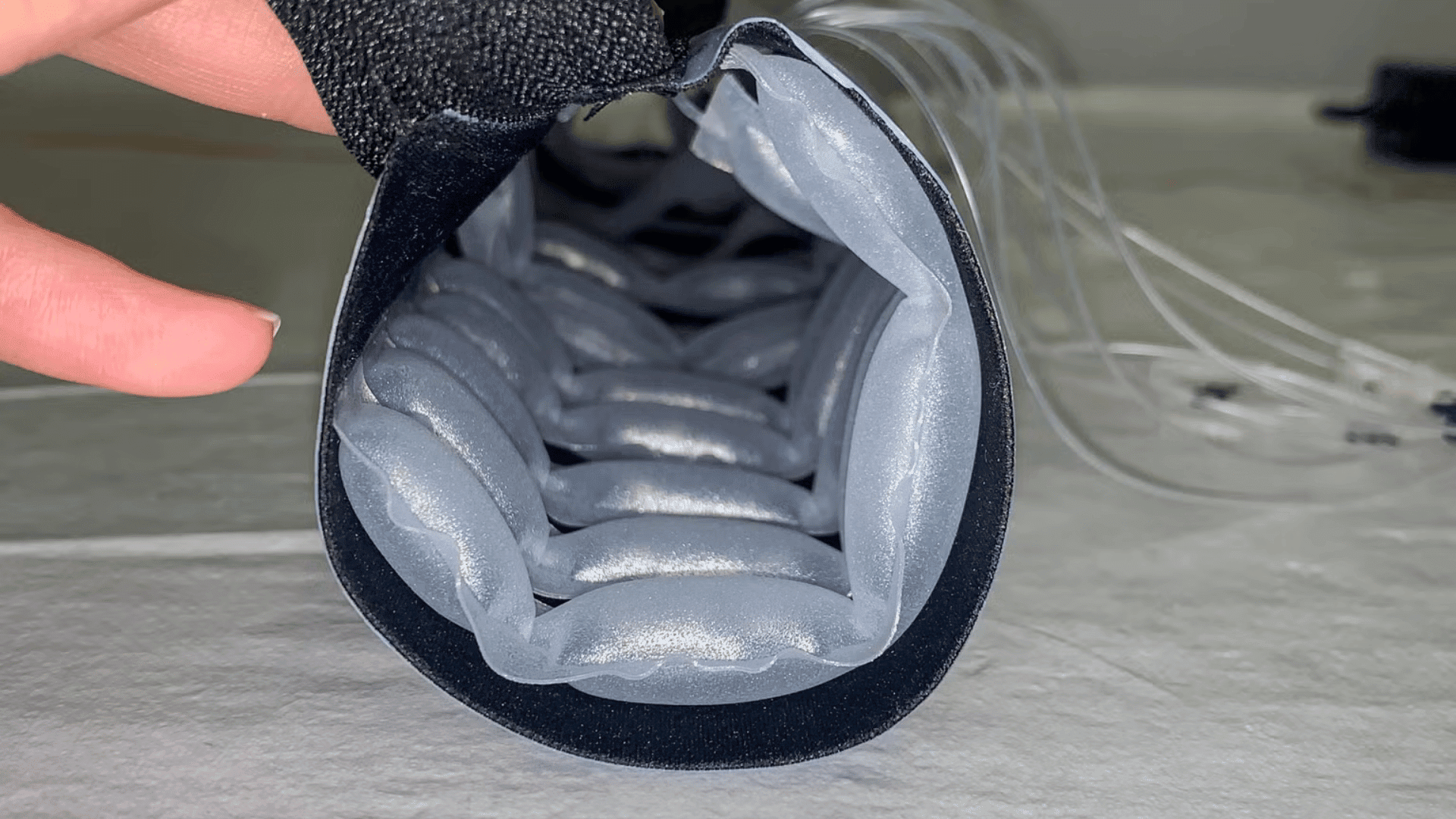
The secret is in microfluidics, the study of how biological fluids move through tiny channels. By using a microfluidic chip, the team replaced the old, slow valves with a sleek system that runs on a battery.
The device uses lightweight inflatable balloons to provide the right amount of pressure. It can run for eight hours on a single charge, meaning a patient could potentially go about their day or run errands while receiving treatment. Even better, the team aims to sell it for about half the cost of current machines by working with manufacturers to keep the parts affordable.
Advertisement
“As an engineer, I want to see the technology I develop work within my lifetime,” Ren said. “That motivation drives me to start from the problem. If the problem is real — something that affects human well-being, health or quality of life — I always feel there must be a solution.”
Comfortable and Useful
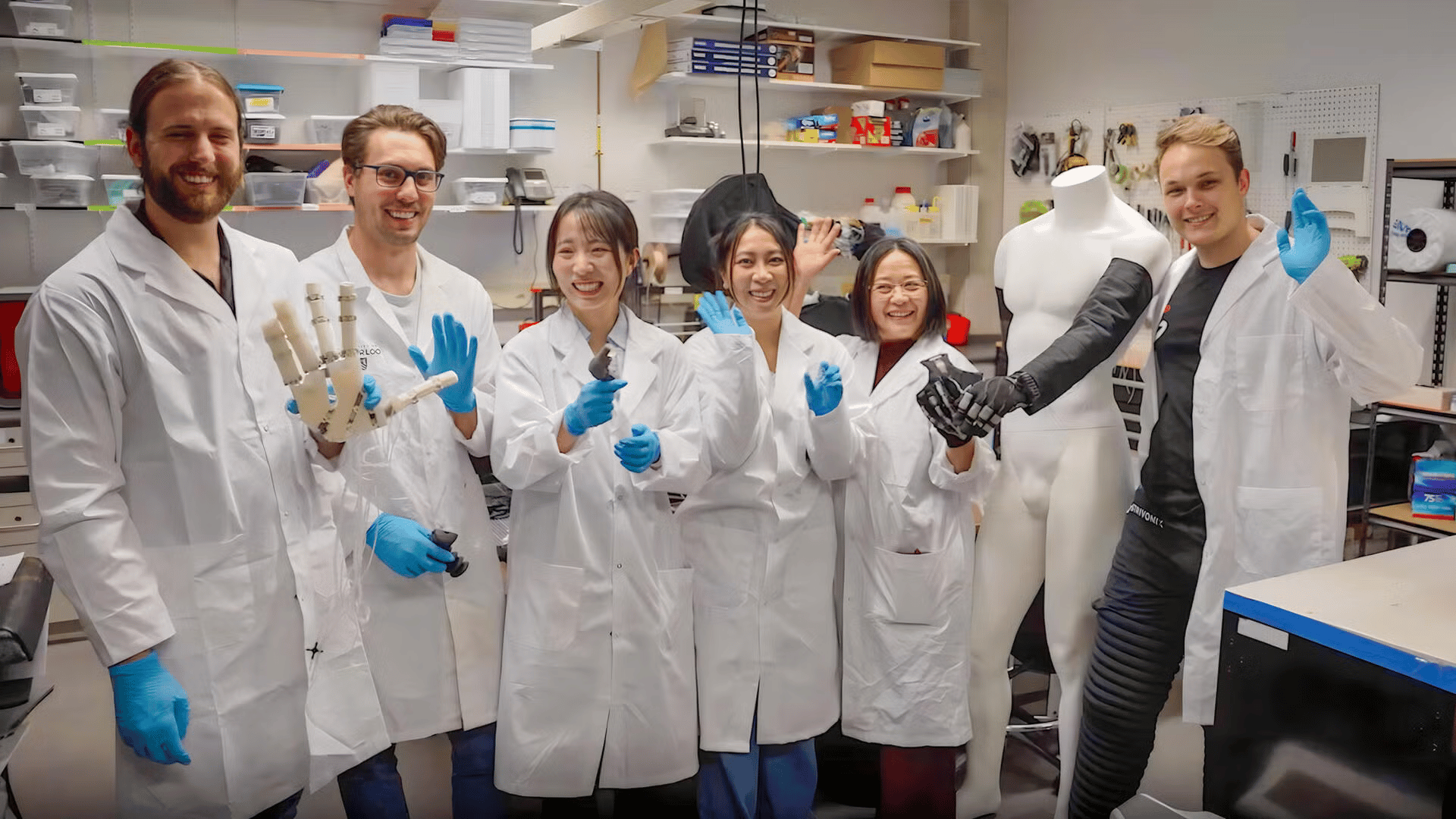
To make sure the sleeve actually works for real people, the lab teamed up with kinesiology experts and even helped a master’s student, Jacqueline Kormylo, become a certified lymphedema therapist. This hands-on approach ensures the design is something comfortable and useful.
The project is moving fast, with several patents already in place and testing underway with patients in Ottawa. Ren’s philosophy is to start with the human need, and the business side will follow.
“When innovation is driven by solving a true problem, commercialization becomes a natural path,” Ren said. “It never starts with ‘I want to commercialize’.
She concluded, “It always starts with the problem.”
 Read Exclusive Stories
 Bookmark & Save Articles For Later