Conservationists, biotech engineers, and perfumers are attempting to draw attention to the fragrance industry and reformulate perfumes to protect plants that are crucial for certain scents to exist.
Saving Nature’s Scents
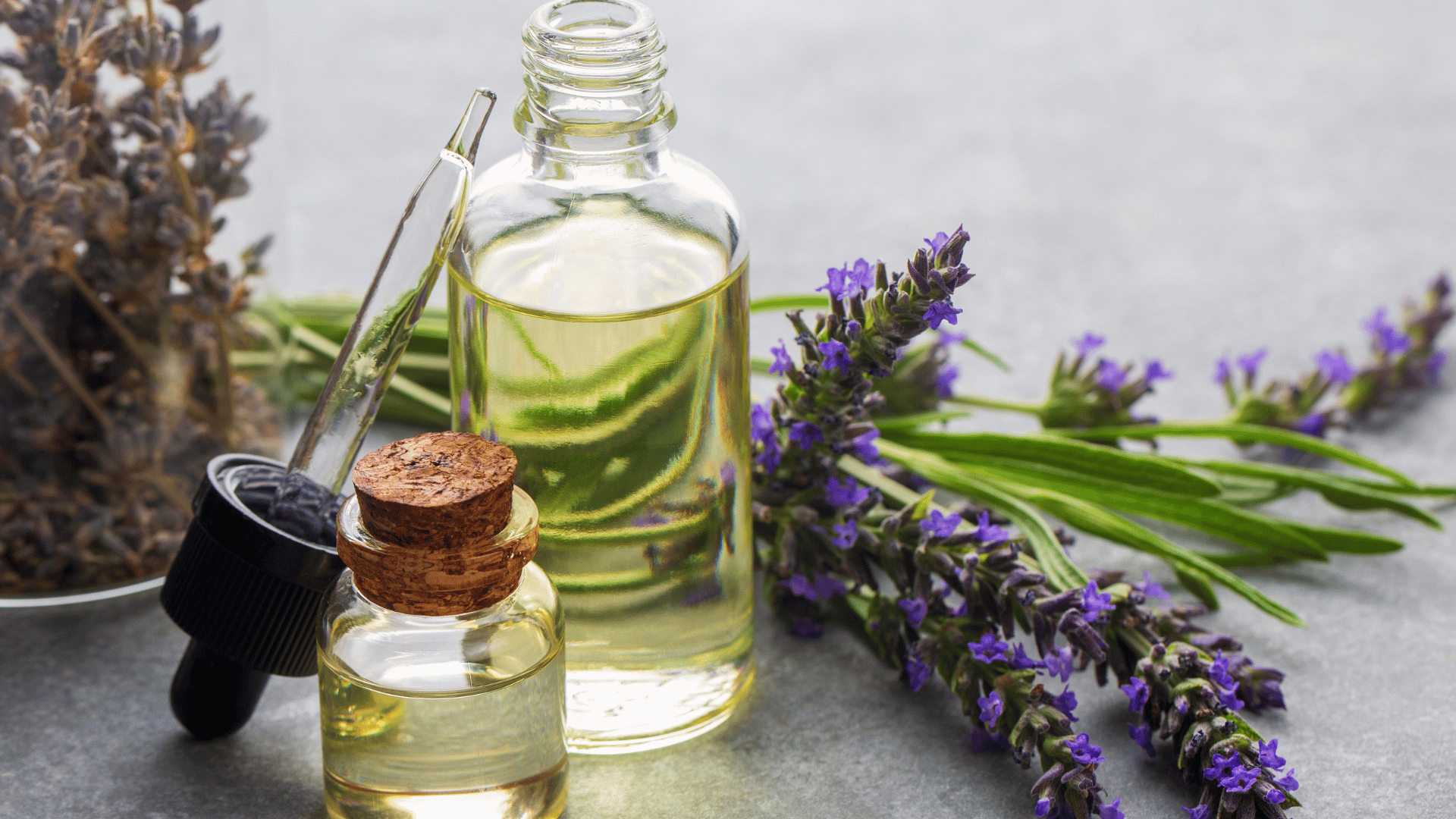
“The vanilla, lavender and sandalwood industries, to name a few, are facing significant threats due to climate change and other negative influences such as habitat destruction,” said Peggy Fiedler, a leader of the Red List Project, a nonprofit focused on global plant conservation. “All are cultivated species of great importance to the fragrance industry.”
Dr. Fielder and Vanessa Handley, her Red List Project co-leader and fellow biologist, have been appealing to the fragrance industry for support since 2018.
“We started cold calling these big companies whose work is contingent on inspiration from the natural world,” Dr. Handley said.
Advertisement
The French fragrance house, MANE, which works with Gucci, signed on as a partner in 2021. They’ve since created three scents based on plants suggested by the Red List Project. The nonprofit received a percentage of sales from MANE to devote to conservation efforts.
Dr. Fielder also worked with American perfumer Blocki in 2022 to revive its vintage Brazilian Lily scent. The flower is considered endangered in Brazil, preventing it from being harvested, but a study of its close floral relatives provided by the Red List Project enabled Blocki to reimagine its fragrance.
“We went for something green and fresh and misty,” Ms. Kraemer said. “You can almost smell dewdrops on green leaves.”
The company’s perfumers described the scent from a magnolia found in Ecuador as “fresh, green and creamy, like the skin of a peach.” Another created from the wood of a Caribbean juniper was described as “surprisingly floral, with woody, buttery undertones like rosewood.” And yet another from a cycad plant in Guam was “reminiscent of mango or peach jam.”
“It takes 250,000 petals to create five milliliters of rose oil,” stated Dr. Joshua Britton, founder of biotech company Debut. “Nature is no longer producing these ingredients the way it used to.” In the interest of sparing plants, “we can do better.”
 Read Exclusive Stories
 Bookmark & Save Articles For Later