Nuclear energy is a marathon and not a sprint. Building the infrastructure involves complex designs, strict licensing, and significant construction costs. As a result, getting a new reactor online takes a long time. However, a new partnership between the Idaho National Laboratory (INL) and NVIDIA aims to make the process faster with artificial intelligence.
This project is part of a larger national effort called the Genesis Mission. Specifically, this team-up is tackling a challenge dubbed “Prometheus.” The goal is pretty straightforward: make nuclear energy faster, safer, and cheaper to build and run.
Using AI to Build Faster
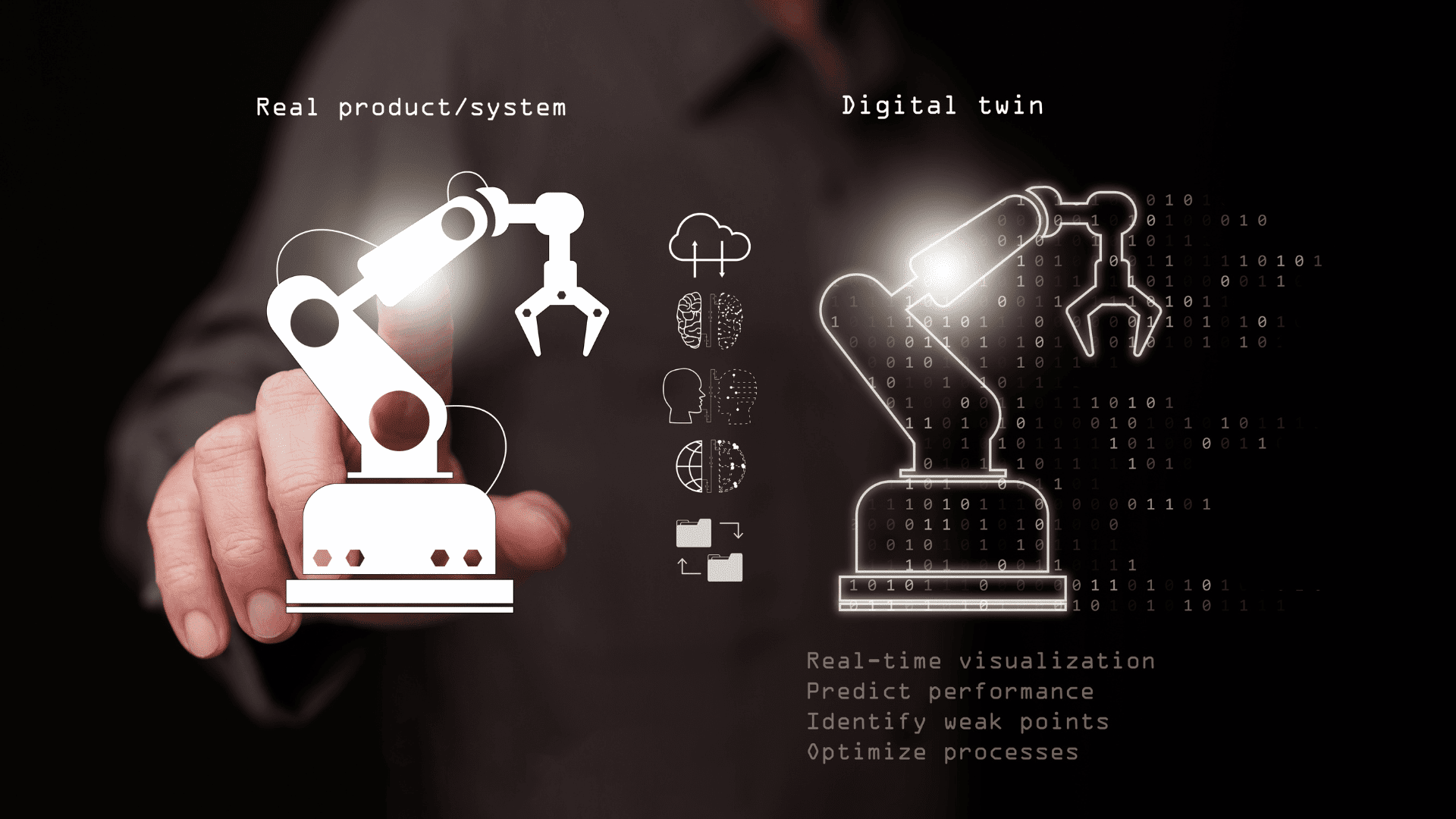
NVIDIA’s AI and computing power will handle the heavy lifting of designing and licensing reactors. Using digital twins, which are basically highly detailed virtual models, and generative AI, the team thinks they can cut construction schedules in half. They are also aiming to drop operational costs by more than 50%.
“This partnership represents a transformative approach to one of our nation’s greatest challenges for deploying abundant, reliable nuclear energy at the speed and scale required for our AI-driven future,” said John Wagner, INL director. “By leveraging AI to design, license and operate reactors, we can fundamentally change the timeline for bringing advanced nuclear energy online.”
Advertisement
Additionally, the process goes full circle. While AI helps build the reactors, those same reactors provide the steady, “baseload” power that massive AI data centers need to function.
Coding to Construction
INL will use data from its own on-site reactors to make sure the AI models match what happens in real life. They are also working to speed up the complex computer codes used to simulate nuclear physics so they run better on NVIDIA’s hardware.
“NVIDIA is honored to collaborate with the U.S. government to apply AI and accelerated computing to advance nuclear energy, while reducing energy costs for Americans,” said John Josephakis, global vice president at NVIDIA. “Combining INL’s decades of nuclear expertise with NVIDIA AI infrastructure will put AI to work to design, license and operate reactors faster, safer and at lower cost — delivering the abundant energy needed to power scientific discovery.”
“This is the moment to decisively advance AI-accelerated nuclear energy deployment,” Rian Bahran, Deputy Assistant Secretary of Energy for Nuclear Reactors, added. “This public-private partnership presents a targeted approach to AI-acceleration that goes beyond incremental ‘uplift’ improvements.”
 Read Exclusive Stories
 Bookmark & Save Articles For Later