
For many patients, a bone marrow or stem cell transplant is a second chance at life. However, the road to recovery is often a long journey. After leaving the hospital, a serious complication called chronic graft-versus-host disease (GVHD) can show up months later. This happens when the new immune cells start attacking the patient’s own healthy body.
Now, researchers at MUSC Hollings Cancer Center have built an AI tool to help doctors spot this trouble before the patient feels sick. The tool, called BIOPREVENT, looks at a patient’s blood and clinical history to predict who is at high risk for these complications.
Finding the “Quiet” Warning Signs
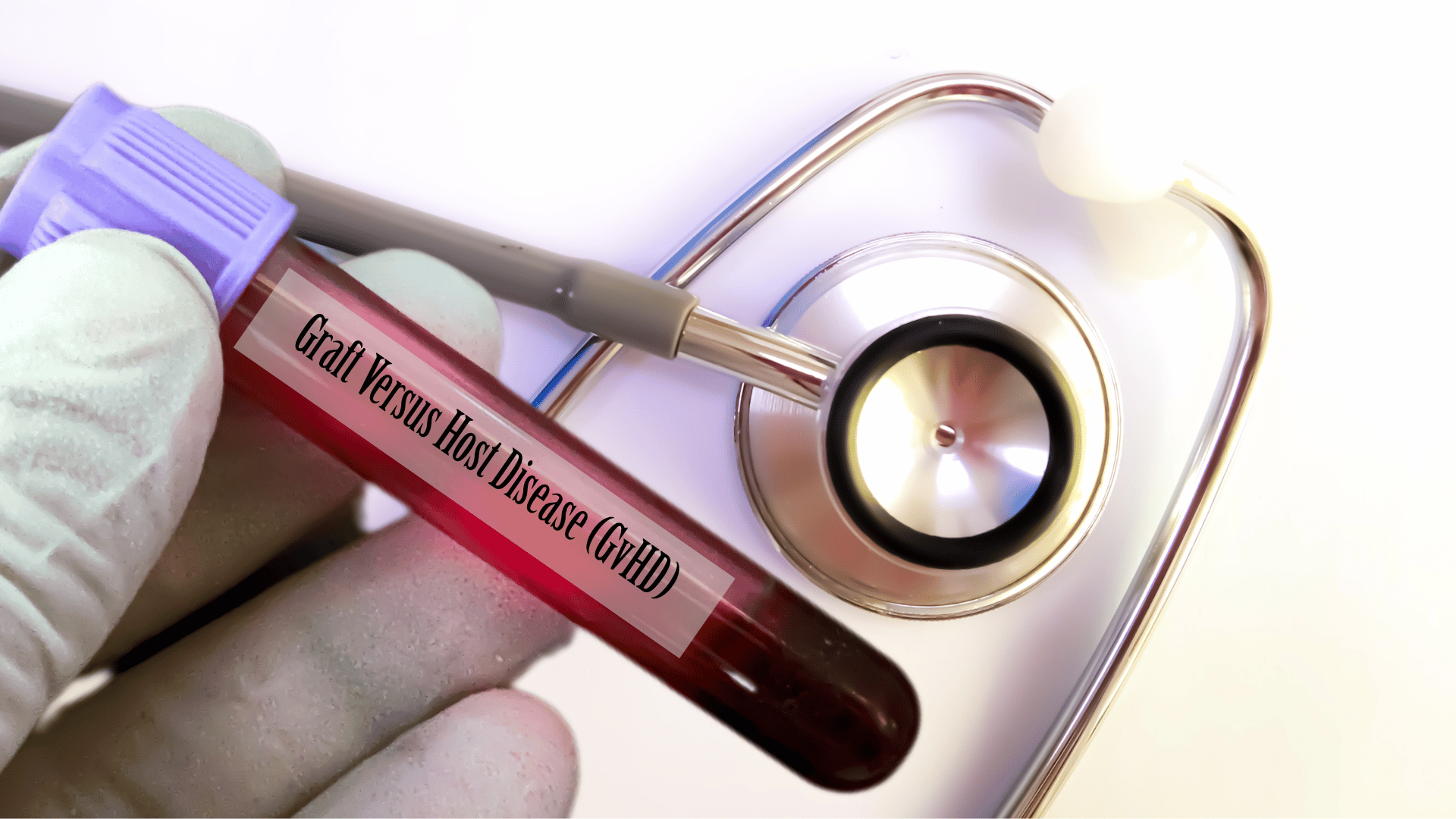
The sickness is a tricky disease because by the time a person has symptoms in their skin, lungs, or joints, the damage has been happening under the surface for a long time.
“By the time chronic GVHD is diagnosed, the disease process has often been unfolding for months, quietly hurting the body,” Dr. Sophie Paczesny, who led the research, explained. “We wanted to know whether we could detect warning signs earlier, before patients feel sick, and soon enough for clinicians to intervene, before the damage becomes irreversible.”
To build the tool, the team looked at data from over 1,300 transplant recipients. They focused on seven specific proteins in the blood that act as “red flags” for inflammation and tissue damage. When they combined these blood markers with basic info like age and transplant type, the AI was much better at predicting outcomes than older statistical methods.
A Free Tool for Doctors
The researchers didn’t want to keep this technology in the lab. Researchers actually turned their findings into a free web app. This allows doctors to plug in a patient’s data and see a personalized risk estimate for the next 18 months.
“This isn’t about replacing clinical judgment,” Paczesny emphasized. “It’s about giving clinicians better information earlier so they can make more informed decisions.”
The goal is to eventually use these early warnings to start treatments sooner, hopefully stopping the disease before it starts.
“For patients, the uncertainty after transplant can be incredibly stressful,” Paczesny added. “We hope that tools like BIOPREVENT can help us see what’s coming sooner and eventually lessen the toll of chronic GVHD.”