An adorable and rare ferret-sized species called coastal martens, which were once on the brink of extinction, are reportedly recovering slowly in Pacific Northwest forests.
Coastal Martens Recover From Near Extinction
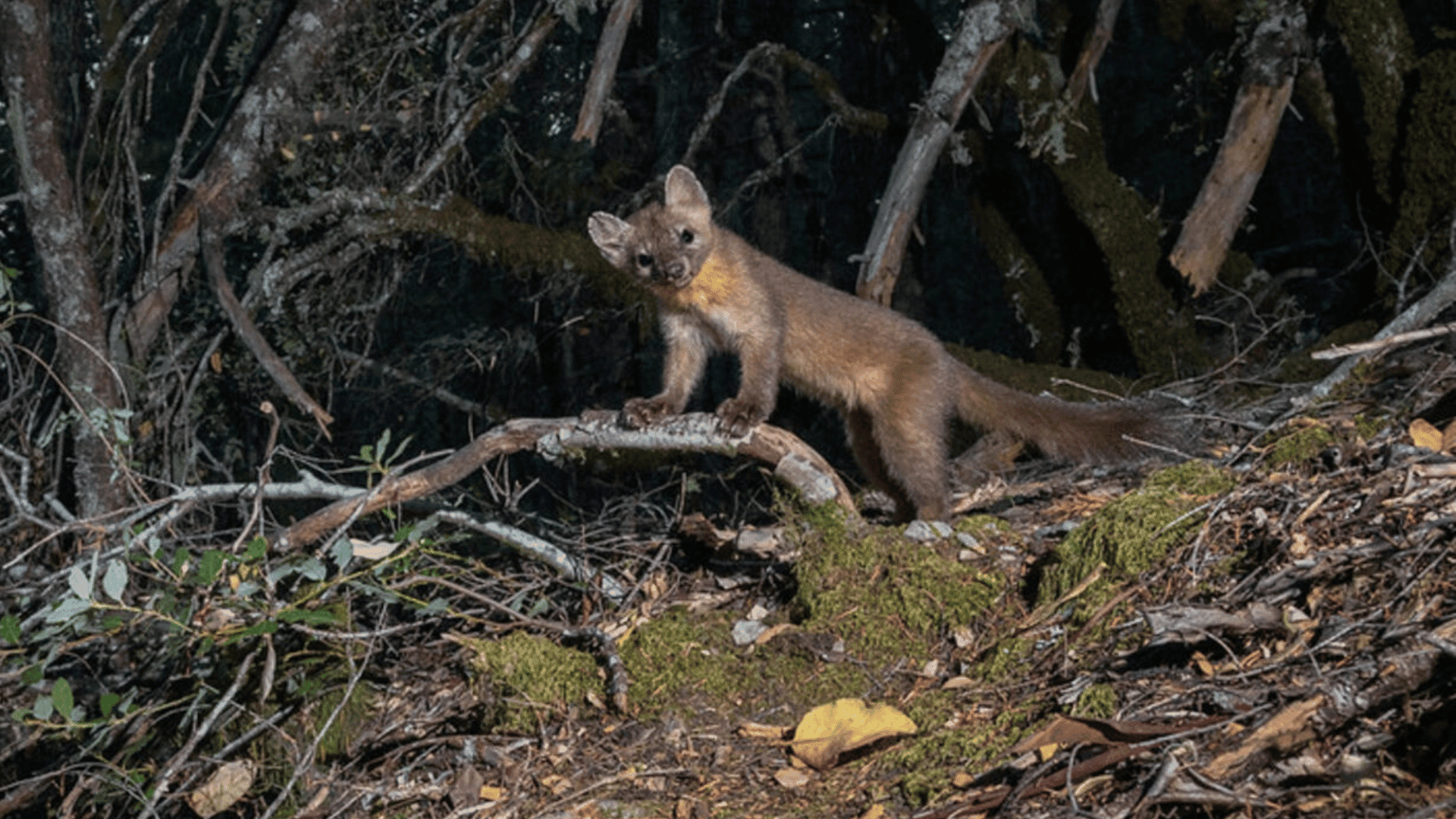
These rare mammals are related to otters, weasels, mink, ferrets, and wolverines. Adult males average 20 to 24 inches long and 1.5 to 3 pounds, which is smaller than the average house cat. As carnivores, Martens eat birds and their eggs, small mammals, and berries and nuts.
Though they once roamed over northern California, southern Oregon, and Washington State, their population dwindled during the 20th century. The dip in population size is due primarily to hunting and logging, which damaged their habitat.
Advertisement
After almost being considered extinct, a United States Forest Service biologist discovered a small population in Northern California in 1996. They are currently listed as threatened under the Endangered Species Act.
Scientists from Oregon State University (OSU) recently spent three months documenting the marten population in northern California. The team used non-invasive surgery tools, including 135 remote cameras and 285 hair snares, which are made from PVC pipe and use tape and wire to safely sample hair from animals.
Genetic analysis of the hair identified 46 different martens (18 females and 28 males) living in Klamath, California.
The findings are detailed in a study published in the journal Global Ecology and Conservation. Understanding where these animals are living is crucial for informing conservation and land management decisions.
“Martens tend to select forest stands with greater than 50% canopy cover and lots of large-diameter trees, snags and hollow logs,” Erika Anderson, the study’s lead author and OSU faculty research assistant, said in a statement. “Structural complexity with coarse woody debris helps them hunt and also provides cover from predators and competitors. But despite continued conservation concern over the last 30 years, we have a lot to learn about marten distribution and demography and how forest conditions influence their distribution and density.”
 Read Exclusive Stories
 Bookmark & Save Articles For Later