Aboriginal culture in Australia goes back at least 65,000 years. Because there is no written language, art isn’t just something pretty to look at. Instead, it’s a vital record. For thousands of years, people used symbols and icons to pass down knowledge about the land, survival, and history.
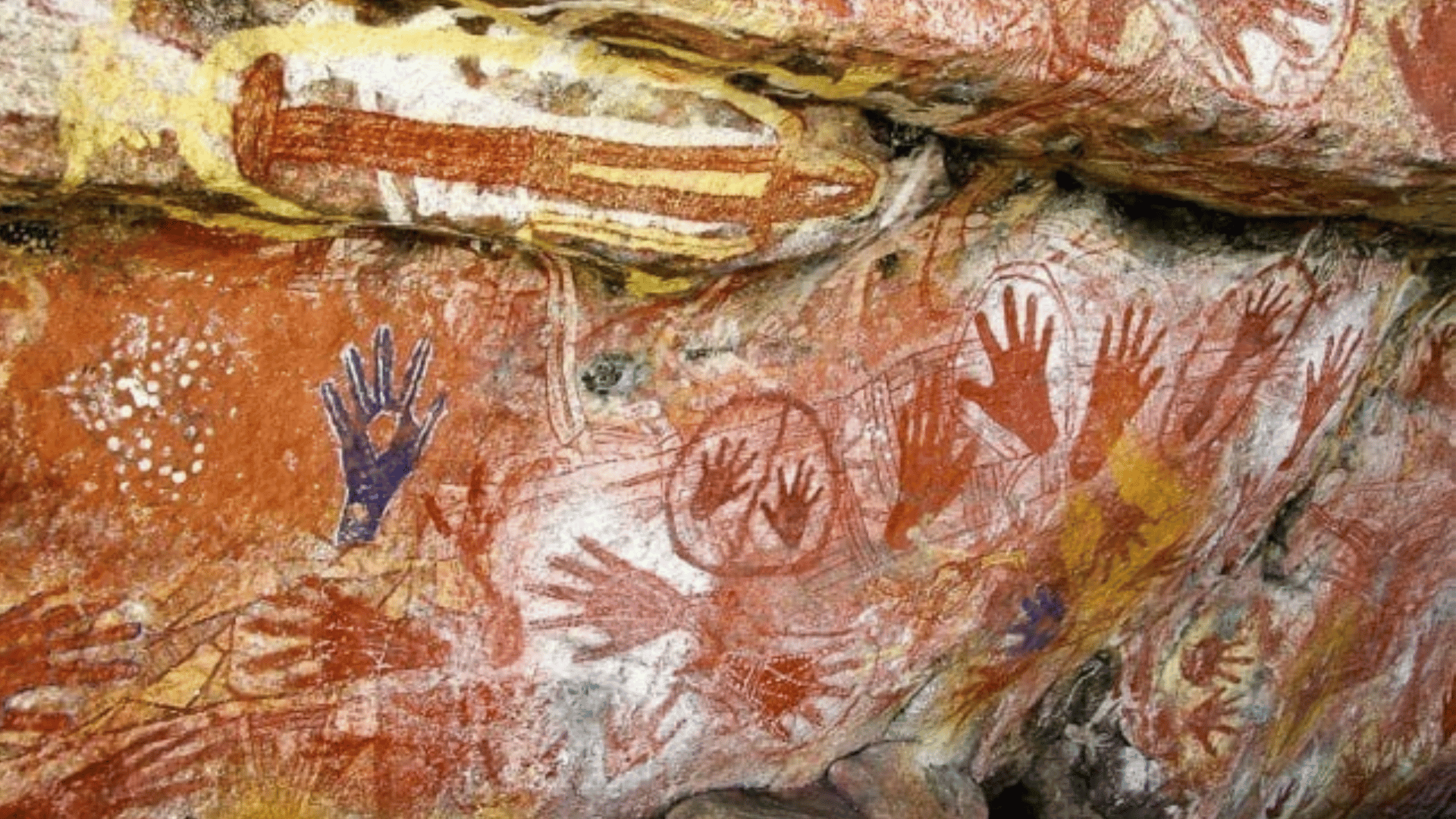
Originally, these stories weren’t painted on permanent canvases. They were drawn in the sand, painted on bodies for ceremonies, or etched into rock walls using ochre. The symbols act as a code that changes depending on who is looking at it. For example, when a story is told to children, it focuses on simple lessons about right and wrong. But when that same story is shared with initiated elders, it is interpreted at a much higher, more complex level.
From the Dirt to the Gallery
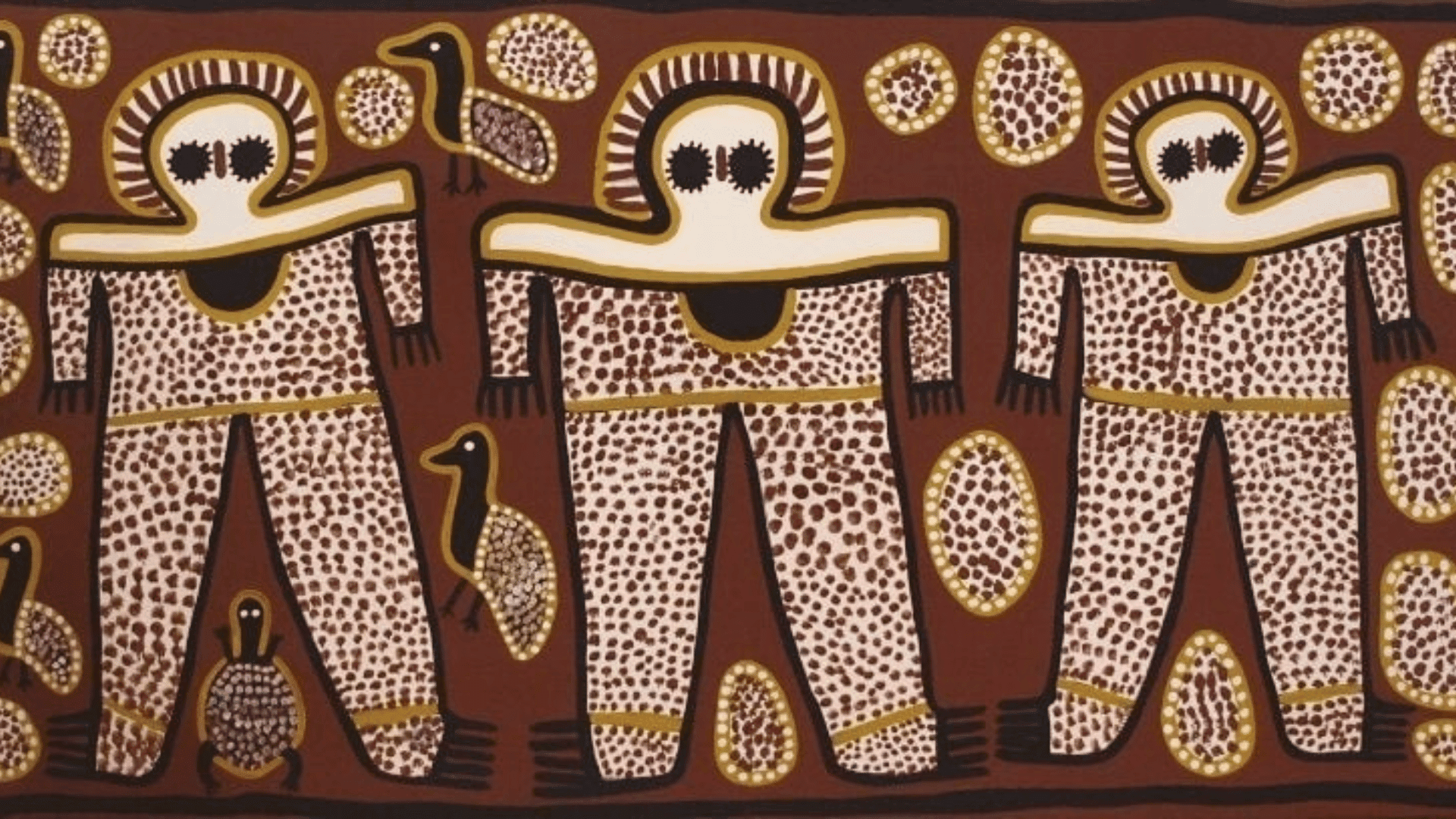
The “contemporary” art movement we see today is actually quite young. For a long time, artists stuck to traditional ochre and bark. It wasn’t until 1971 that things really shifted. A school teacher named Geoffrey Bardon was working in Papunya and saw men drawing symbols in the dirt while they shared stories. He encouraged them to move those designs onto canvas and board.
Advertisement
This was a big change in how Aboriginal art was shared. Moving ancient stories onto Western materials was a foreign concept, but it allowed the culture to be preserved in a new way. Even with this shift, the rules remained strict. An Aboriginal artist cannot just paint anything they want. No, they inherit the rights to specific stories through their family or “skin group.” If they don’t own the story, they don’t paint it.
The Secret Behind the Dots
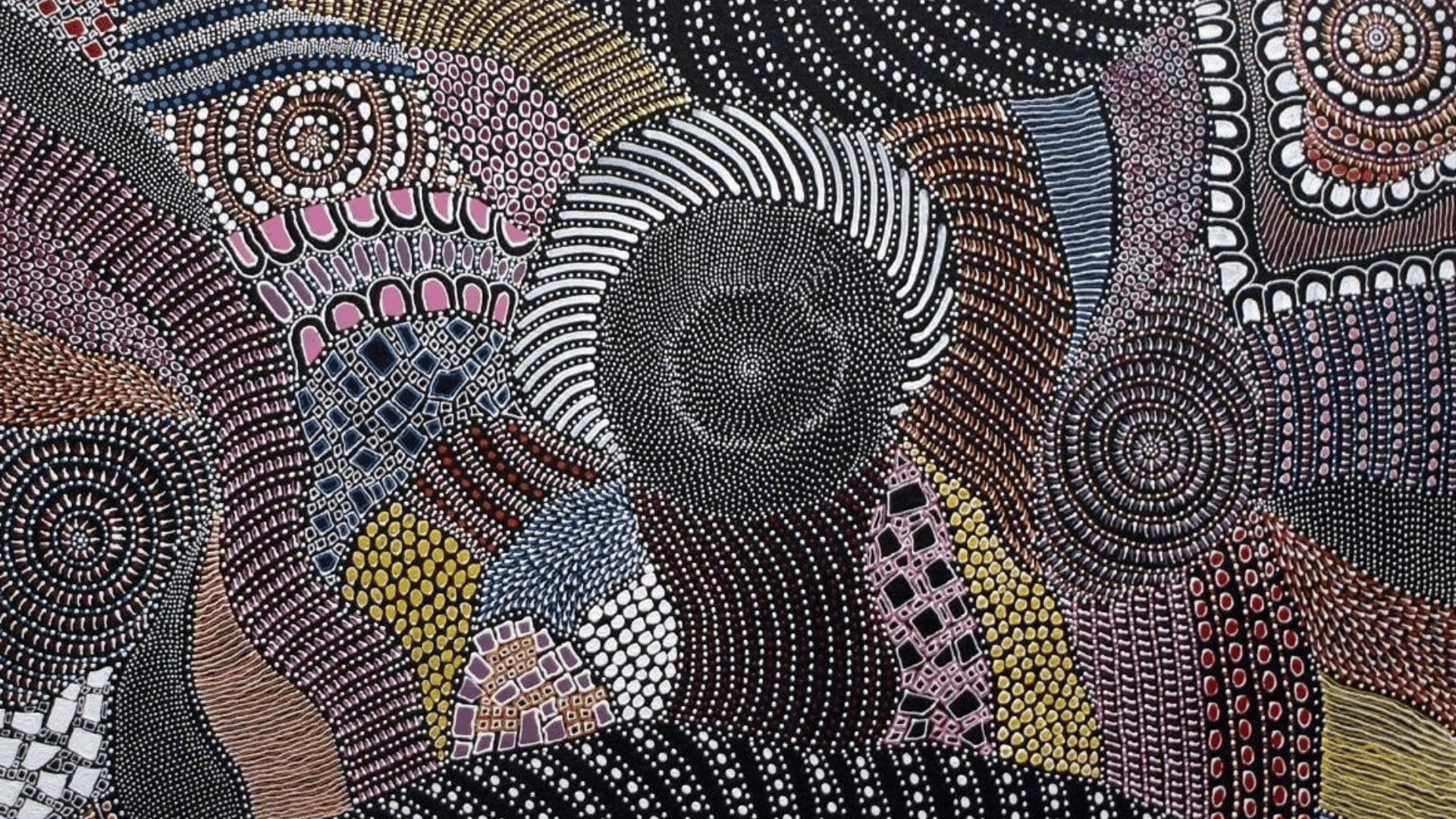
One of the most famous styles involves intricate dot work. While it looks like a stylistic choice, it actually had a practical use. Many believe dots were used to hide private, sacred symbols from outsiders. By “layering” the dots over the iconography, artists could protect their secret knowledge while still creating something for the public to see.
This art is all tied back to “The Dreaming,” which is the translation for the “Creation of time.” It’s the heart of the culture and provides the identity for the artists. Today, you can usually tell where an artist is from just by looking at their style, as the characters and techniques change depending on the region and the language spoken.
When it comes to Aboriginal Australian art, it’s more than painting or crafting. This is about preserving a culture and tradition.
 Read Exclusive Stories
 Bookmark & Save Articles For Later