In the world of nature photography, the most powerful images do more than capture a moment—they spark curiosity, connection, and care for the world around us. In this conversation with Tomorrow’s World Today, Alyce Bender reflects on how nature photography has shaped her life, the stories she seeks to preserve through her images, and the ‘quiet magic’ that keeps her returning to nature again and again.
Tomorrow’s World Today (TWT): Tell us about yourself and what inspired you to begin your work in nature photography.
Alyce Bender (AB): What really brought me to nature photography is that I’ve had a camera in my hand since I was a little girl, and I grew up in North Central Florida. I started exploring nature through the lens, essentially, with a Kodak 35-millimeter point-and-shoot. So, really, it’s always gone hand in hand for me – nature and photography – and that has just developed as I’ve grown. Sometimes it took a very far back seat, especially when I was in the military. It just went along and documented while I was doing more science and aviation in the Air Force. But when I got out of the Air Force, I started taking it more seriously and really started building my craft and learning it. I tried dabbling in things like wedding, lifestyle, and family [photography], but it never sat right with me. I constantly found myself going back to nature photography, so that’s where I really honed in on. The camera has really given me permission throughout my life to slow down, observe, and translate those quiet moments that are happening all around us in nature, allowing me to capture them.
That grew into a passion for storytelling, ethical field work, and helping others experience that same sense of connection through my workshops, education, and learning their own way of telling the story through their lens. That’s what I try to teach now with photography.
TWT: How would you describe your style as a photographer?
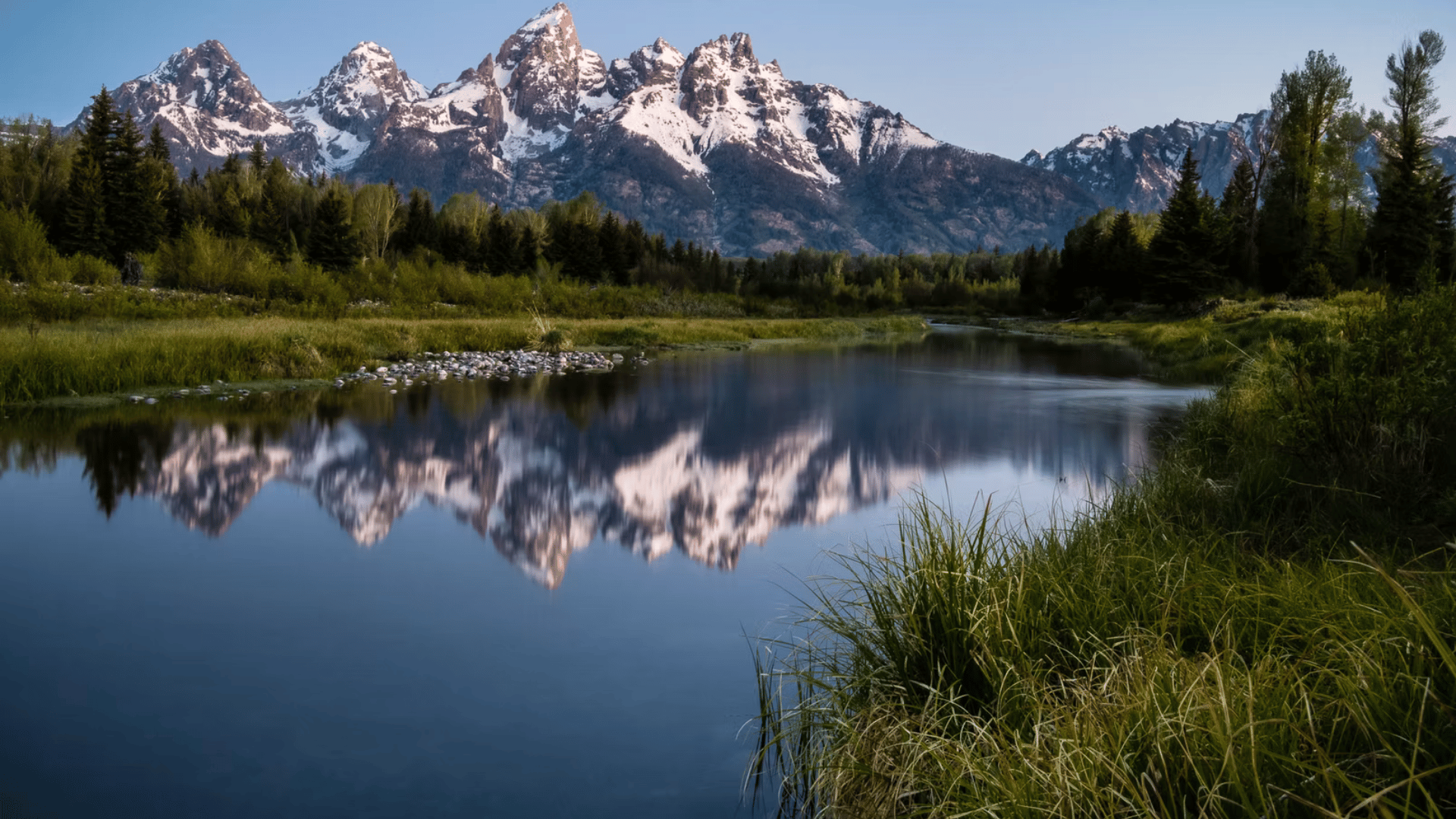
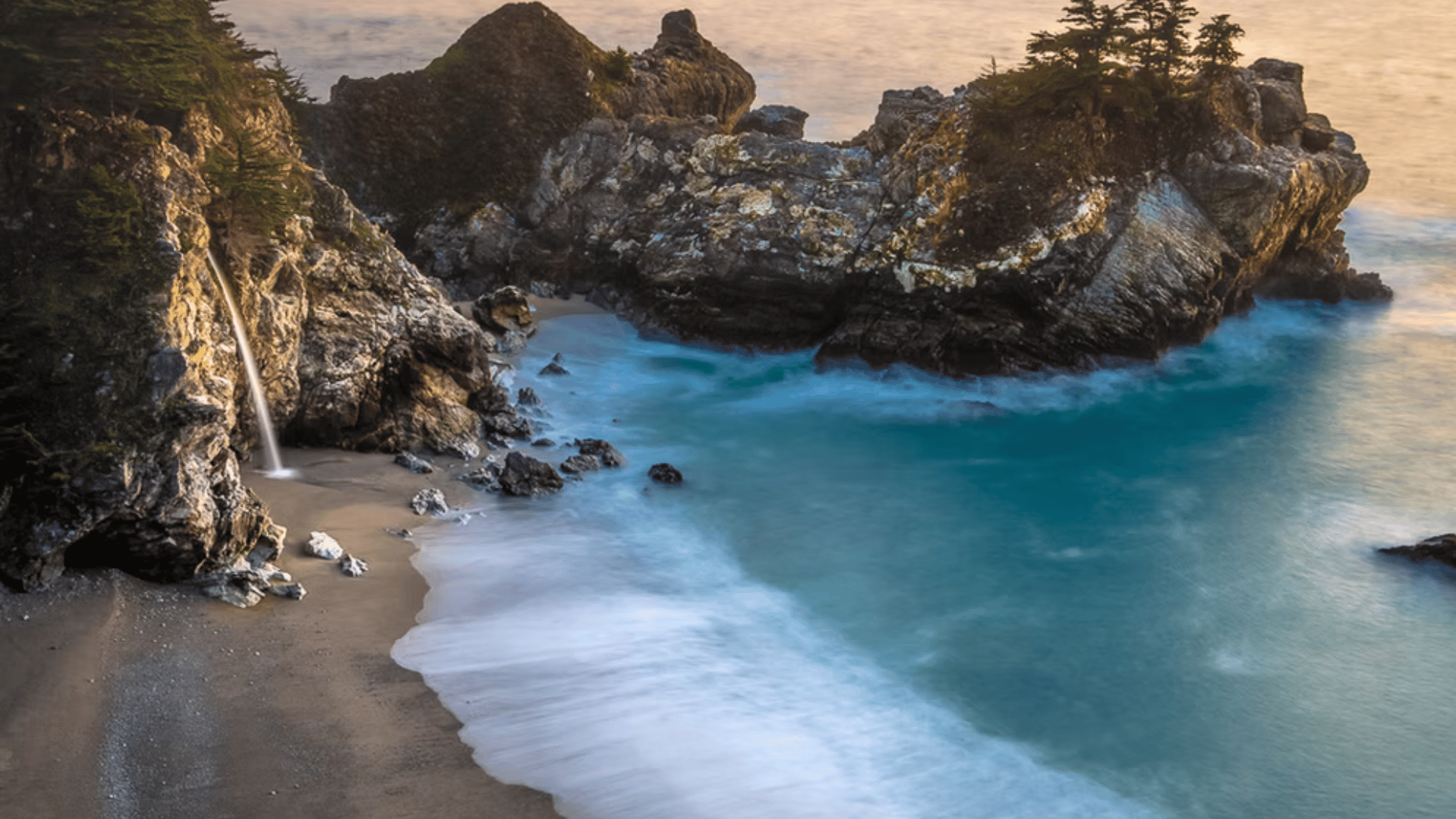
AB: When it comes to style, I would say it’s really rooted in respect for the natural world and the belief that the better naturalist you are, the better nature photographer you’ll be. I lean towards clean and intentional compositions with a storytelling approach, whether that’s intimate macro scenes, sweeping landscapes, or wildlife portraits. Regardless of the subject, my work aims to show the character of the place and the species without forcing it to perform for the camera. I don’t want every image of wildlife to be staring directly into the camera. That’s not my intention. I want viewers to feel as though they’ve stepped quietly into the moment with me to observe rather than having the subject be a performer. That way, we can continue the narrative of we’re here to observe rather than to interact.
TWT: What is it specifically about the natural world that inspires your work?
AB: For me, nature has really been a part of my life, basically, since I came home from the hospital; it’s just ingrained in me. When it comes to my work, I feel like nature doesn’t tailor itself for us. We get what we get, and we see what we see. It’s that unpredictable ability that makes it magical to me. We can be as prepared as we possibly can be with our cameras, with the technology that we have, with all the skills that we’ve built and practiced. But then we go out in the field, and we just have to have things happen.
I’m really inspired by the interconnectedness of nature and life, whether it’s the textures on a dragonfly’s wings or the migration route of whooping cranes across the North American continent. The natural world is full of these stories that unfold on all scales. That’s why I say I’m a nature photographer, rather than just a wildlife photographer or a macro photographer. I cover the whole umbrella because I can’t keep myself just in one genre under nature photography. And it allows me to honor these stories while encouraging others to care about the landscape, the environment, and the species that inhabit them.
Advertisement
TWT: You’ve photographed nature in a wide variety of locations, from Japan to the U.S. What is the most rewarding aspect of shooting in such different environments?
AB: Well, I’m a bit of a tumbleweed from my military life, and getting bitten by that travel bug, and my husband still being in that lifestyle. I am continuously moving, so I find it really rewarding that every time I go into a new environment, it teaches me new things. Photographing cranes in Japan’s winter stillness, that’s a very different experience than, say, navigating the floodplains of Botswana, or being on a boat in the fall Cyprus swamps of Caddo Lake. Working in this variety of ecosystems keeps me curious and adaptable in my skills as a photographer. It sharpens my naturalist skills as I have to change from one environment to the other. Yesterday I was photographing Whooping Cranes on the Texas Coast, and next week I’ll be in Costa Rica. It’s a constant change as I move around the world, so it keeps me sharp in both my photography skills and my naturalist skills. And it challenges me to rethink how I communicate a sense of place as I have to adjust to each location.
The reward comes from not just the images, but a deeper understanding of spending time with the wildlife, the landscapes, and the cultures that surround these different locations far from home, and seeing how those cultures respect and honor the nature that they live by, and seeing how they view wildlife and nature in their homes.
TWT: Tell us about a few of your favorite photos you’ve captured. Why are they your favorites?
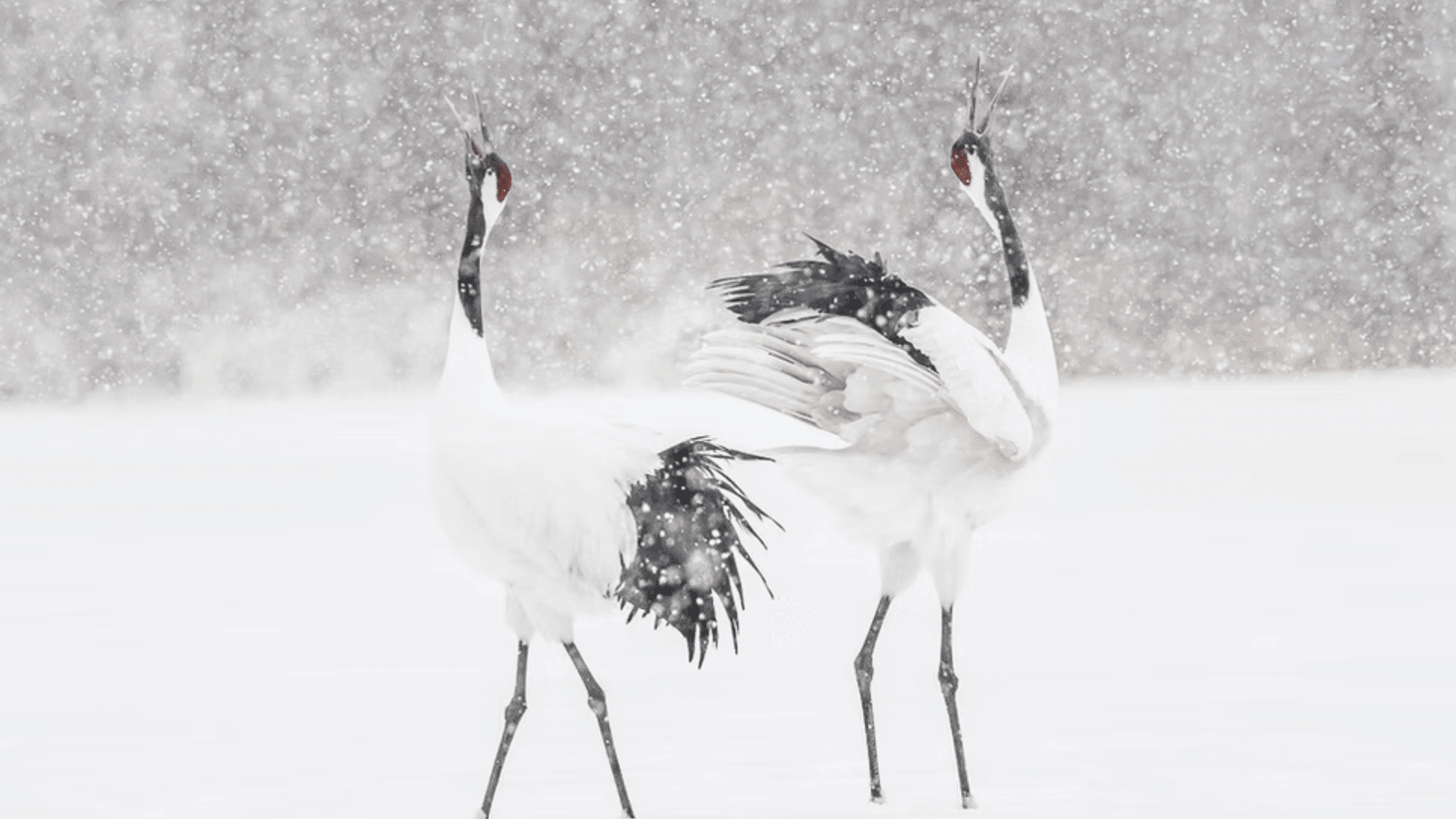
I feel like choosing a favorite image feels like choosing maybe a favorite child or trying to pick a favorite flavor of ice cream. It honestly depends on the day and what’s lingering on my mind. My favorites tend to rotate based on whatever story or emotion is echoing the loudest. Some days it’s a photograph of Red Crown in Japan, their courtship dance, dancing in falling snow. It recalls hearing their trumpeting when I hear those images echoing in the forests with that soft snow falling. The sound is haunting and beautiful, and I’m a bit of a “craniac,” so it’s one of those things that I absolutely adore. It pulls me right back into that icy stillness of the landscape while those birds perform this ritualistic courtship that you know has just been going on for a millennia.
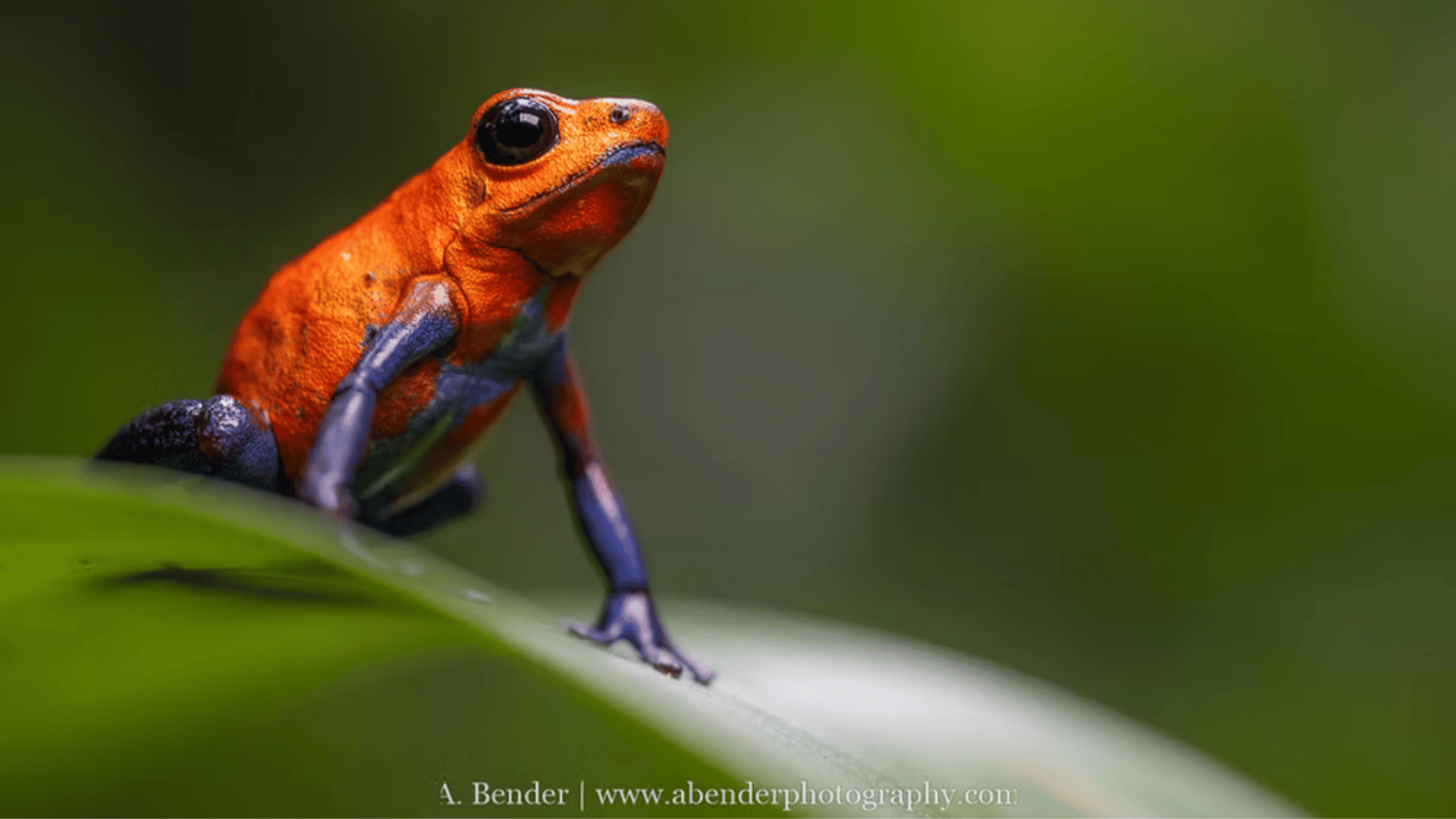
But other days it might be an image captured on Carter Lake on a misty morning, or a tiny jewel-toned poison dart frog from Costa Rica. Each one of these is tied to a sense of place, quiet magic, and being fully present in the field that I get when I’m in these locations. I can just concentrate on what’s around me and tell the story of what’s going on right there, letting everything else in the auxiliary world drop away.
But, if I’m being honest, some days my favorite is simply an image that was most recently published, recognized, or exhibited. Those moments are validating, but they also remind me of how many different kinds of stories I get to tell through photography. In the end, each image becomes a favorite for a different reason, but always because of the experience, emotion, or memory stitched into the moment in which it’s made, or how it then lives on to create emotion, memory, and education for others.
For more information about Alyce Bender and her projects, follow her on Instagram and on abenderphotography.com.
 Read Exclusive Stories
 Bookmark & Save Articles For Later