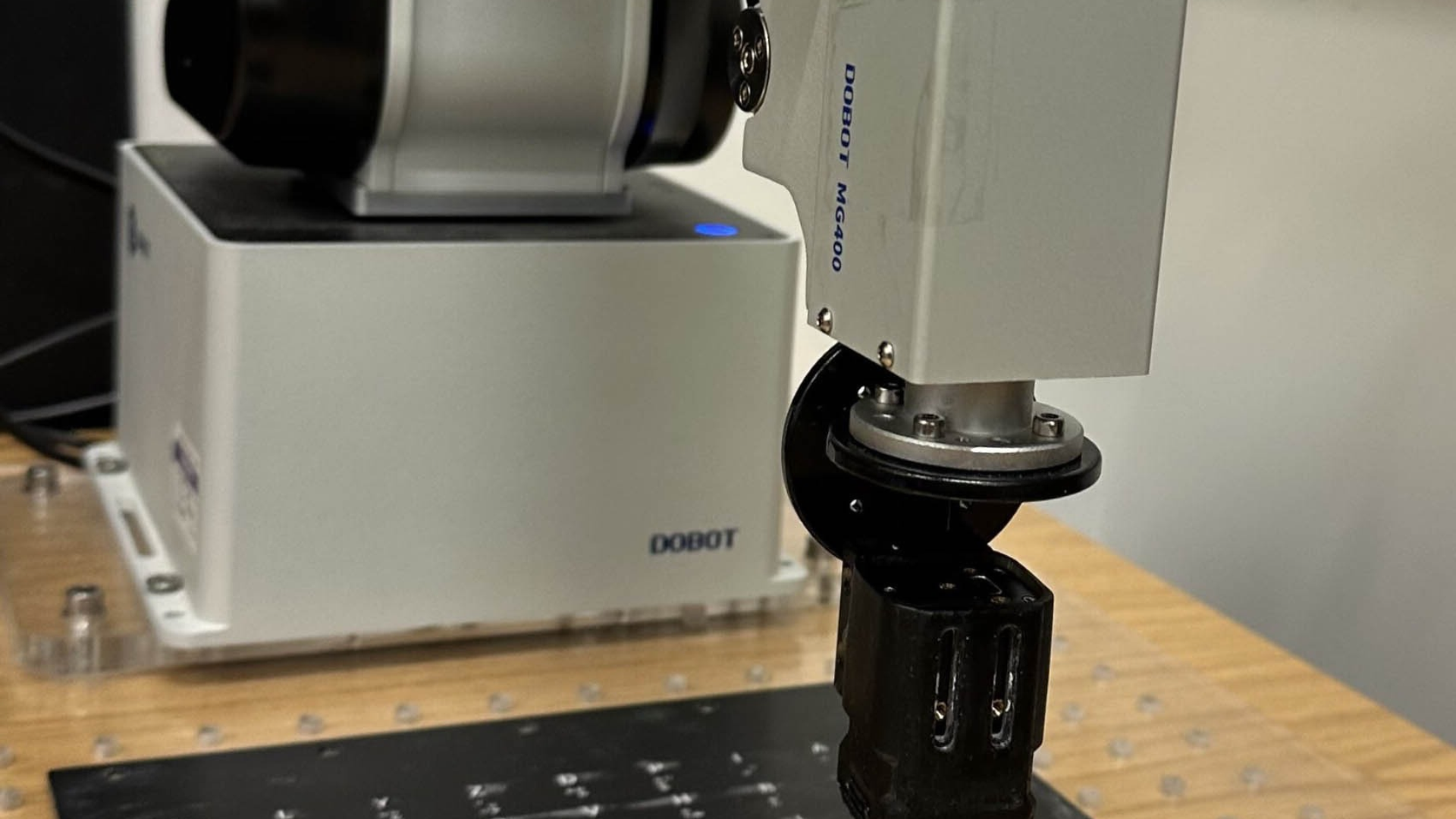
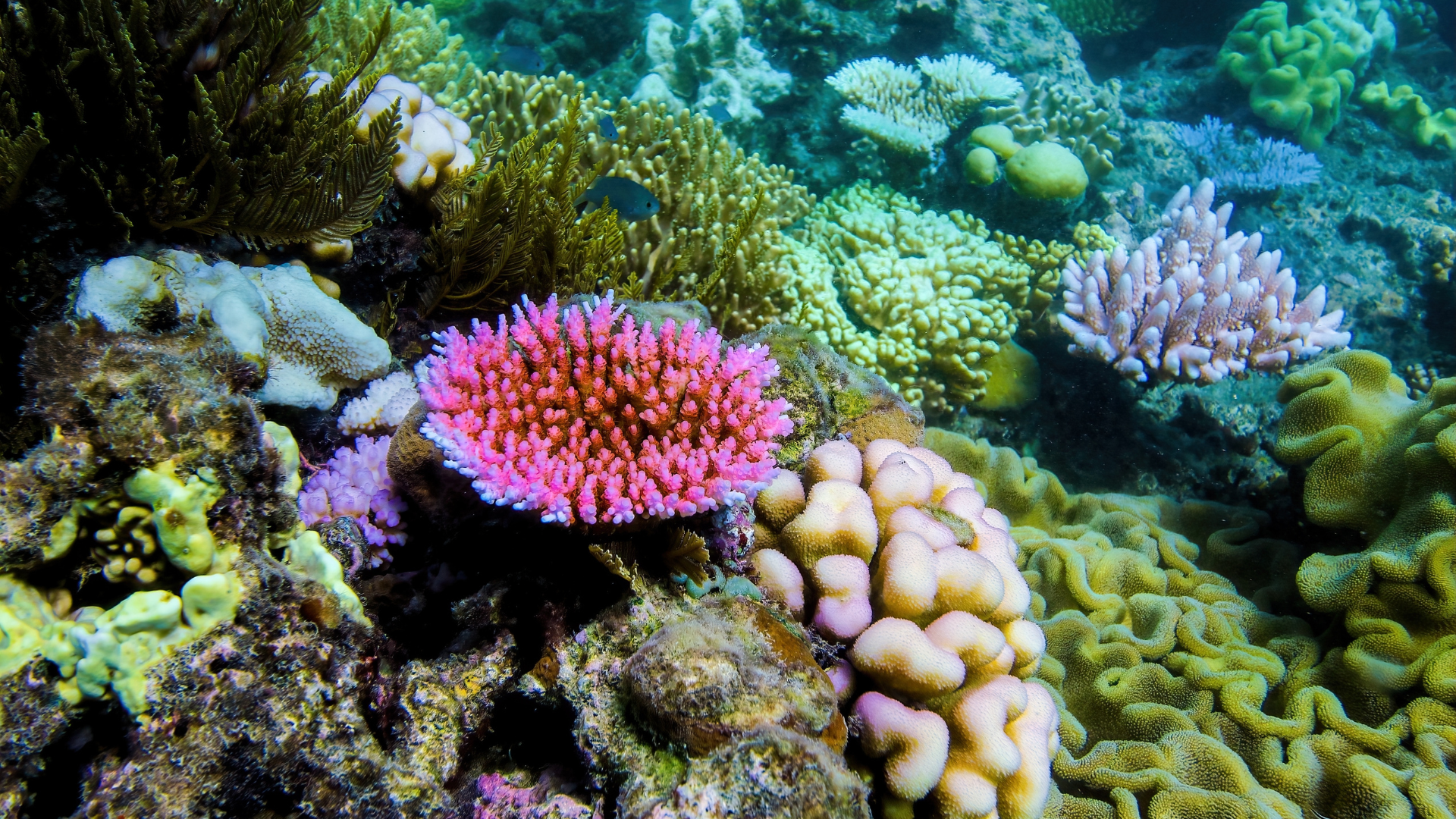
The Great Barrier Reef is a vast ecosystem that requires scaled operation solutions. Meeting this challenge demands innovative practices. Ecologists and engineers from the Australian Institute of Marine Science (AIMS) and conservationists have developed smarter tools to achieve this. Their new technology combines advanced marine robotics with artificial intelligence to plant new coral.
This new tool is called the Deployment Guidance System. Before engineers developed this tech, coral seeding efforts were considered nearly impossible with manual labor.
DGS’s core objective is to efficiently place purpose-built coral seeding devices across the coral reef system where young corals are most likely to survive and grow. The objects are small and made of ceramic, with tiles that allow juvenile corals to attach and offer protection once they are dropped to the seafloor.
Precision Deployment Through AI in the Great Barrier Reef
“The system is not so much one technology as many, brought together in a workflow that improves the yield for our coral seeding efforts,” said project engineer Dr. Ben Moshirian. “The aim is to ensure coral seeding devices are accurately and safely deployed in pre-specified locations.”
Advertisement
To execute a large-scale deployment, scientists integrated years of scientific knowledge into its operation. First, the system selects promising sites with sophisticated computer models. Once a vessel is in the water, the system takes over. According to the scientists, the system utilizes cameras and real-time AI analysis to guide its final placement.
Finally, using years of observations, the DGS automatically releases the coral devices from the vessel at the perfect time.
Scientists say the technology offers a high degree of autonomy, including vessel guidance similar to an autopilot function. Additionally, it is designed to release devices in suitable areas. There is also an in-built geo-tagging that precisely records the location of deployment sites, which allows scientists to easily return to monitor the young corals.
Trials are currently underway on a variety of vessels. Real-world testing allows scientists to assess the AI’s technical capabilities and automation. Additionally, it addresses logistical needs for broader implementation in the future. Ultimately, the goal is for the system to operate from different vessels for collaboration.
“This technology is not about machines replacing humans,” said Dr. Moshirian. “It is about humans working with machines, to give our science impact at a scale which was difficult to achieve previously.”
Dr. Moshirian emphasized the importance of this technology and its potential to restore the Great Barrier Reef.
 Read Exclusive Stories
 Bookmark & Save Articles For Later