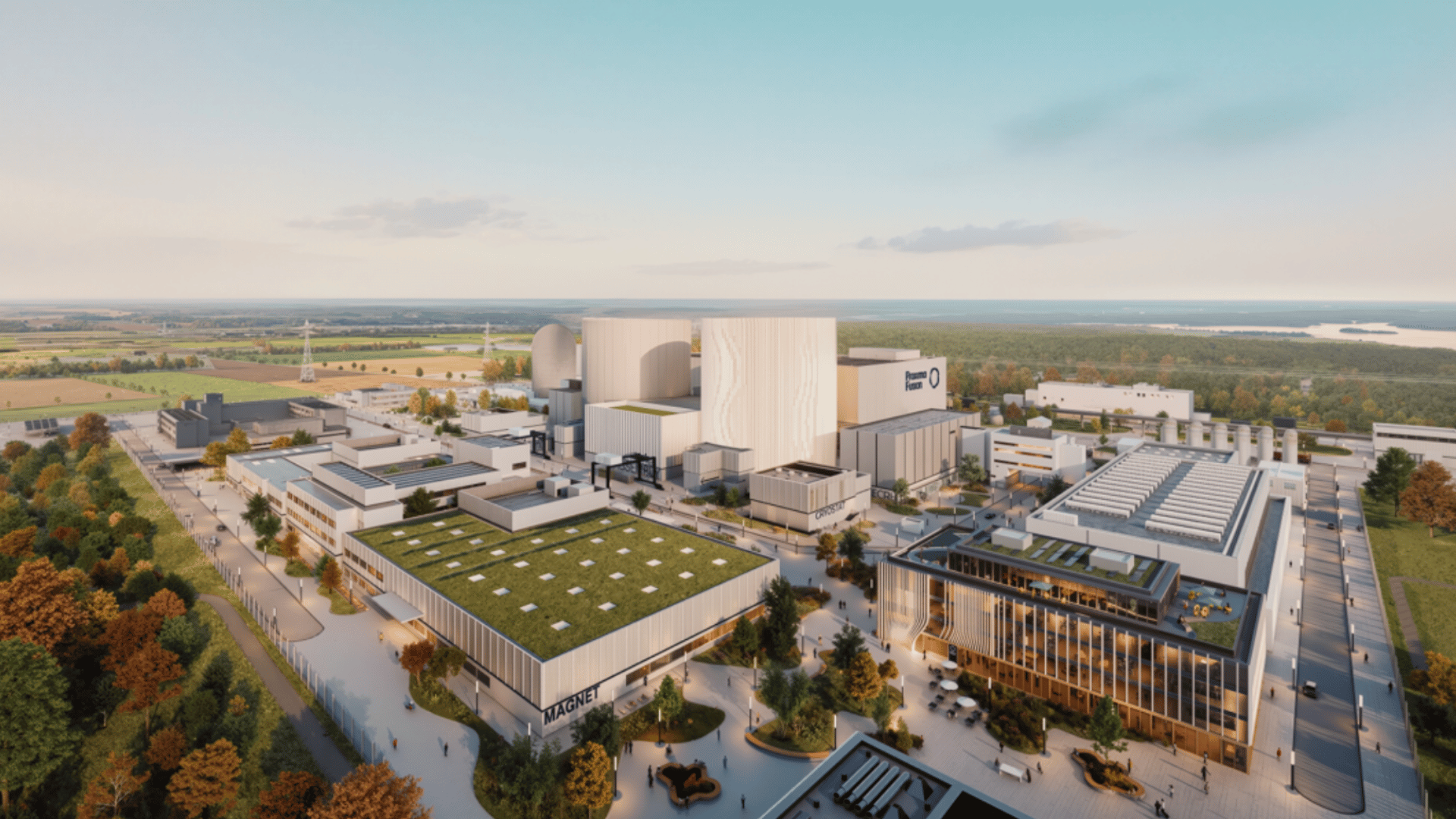
Energy needs in the U.S. continue to climb. Engineers are now looking for ways to keep the lights on 24/7. Advanced nuclear energy is becoming a go-to option, with designers working on dozens of new reactor types. People are designing reactors to power data centers, remote towns, mining sites, and even missions to Mars.
However, building a physical prototype of a brand-new nuclear reactor is incredibly expensive and complicated. You can’t “test it out” in the real world without knowing exactly how it will perform. A new software called Griffin is designed to make that process easier.
Griffin was developed by researchers at Idaho National Laboratory and Argonne National Laboratory to allow scientists to simulate what happens inside a reactor core without moving a single piece of fuel.
A Virtual Laboratory
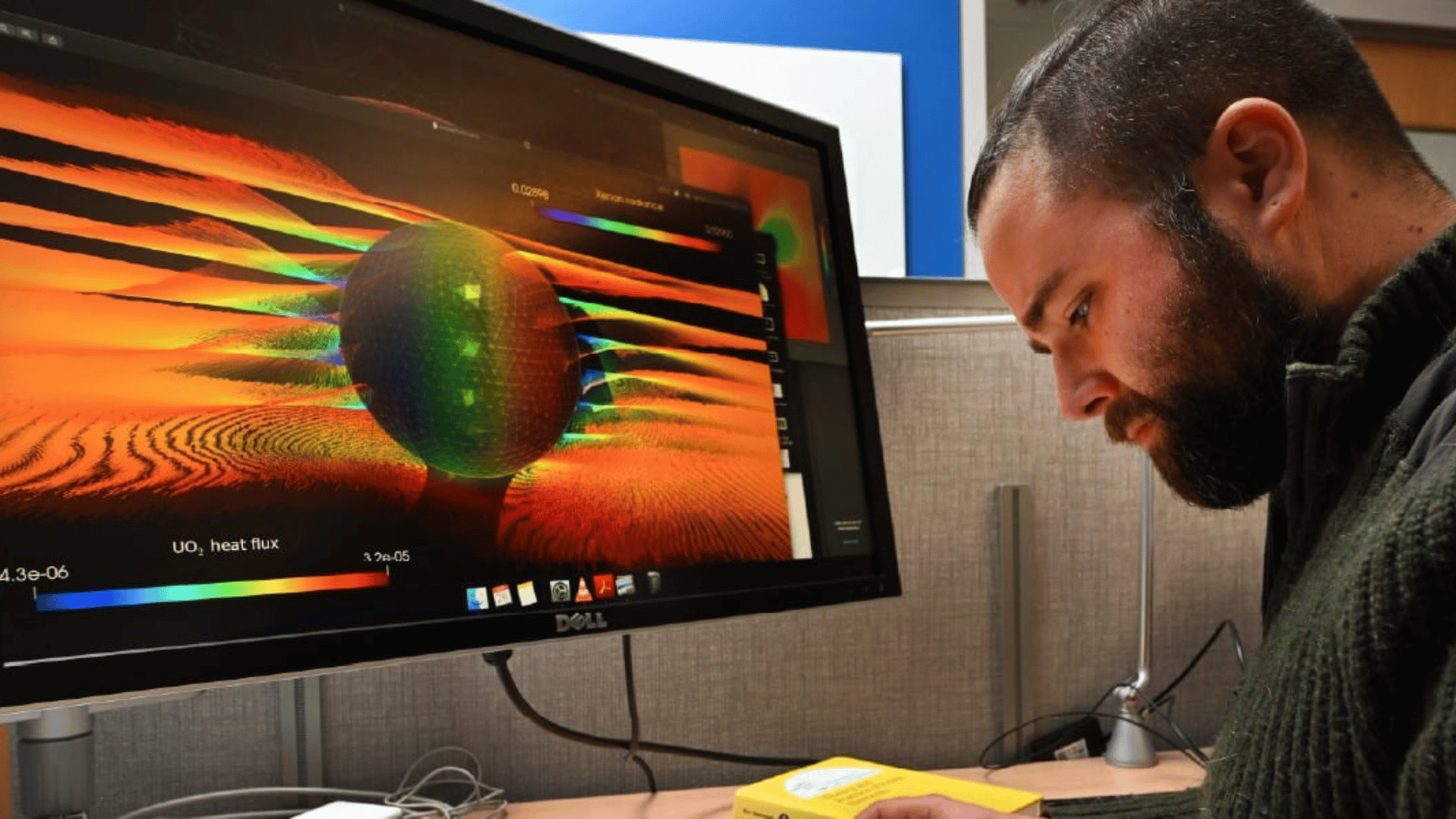
Think of Griffin as a high-tech sandbox where researchers can see how high temperatures, intense pressure, and radiation affect the materials inside a reactor. Because it’s digital, engineers can test thousands of different scenarios to see what works and what doesn’t.
“Griffin can simulate a lot of the processes that are happening in a real-world operating reactor,” said Argonne principal nuclear engineer Changho Lee. “It’s closer to a real-life scenario where high temperatures, pressures and neutron flux in the harsh environment of a reactor core are causing changes to fuels and reactor materials.”
Advertisement
“It’s cheaper and safer to run, allowing you to explore numerous scenarios,” Lee added.
The software is versatile enough to handle almost any design, from “pebble bed” reactors to systems cooled by molten salt or liquid metal. It even tracks how fuel changes over time as it’s used up.
From Earth to the Moon
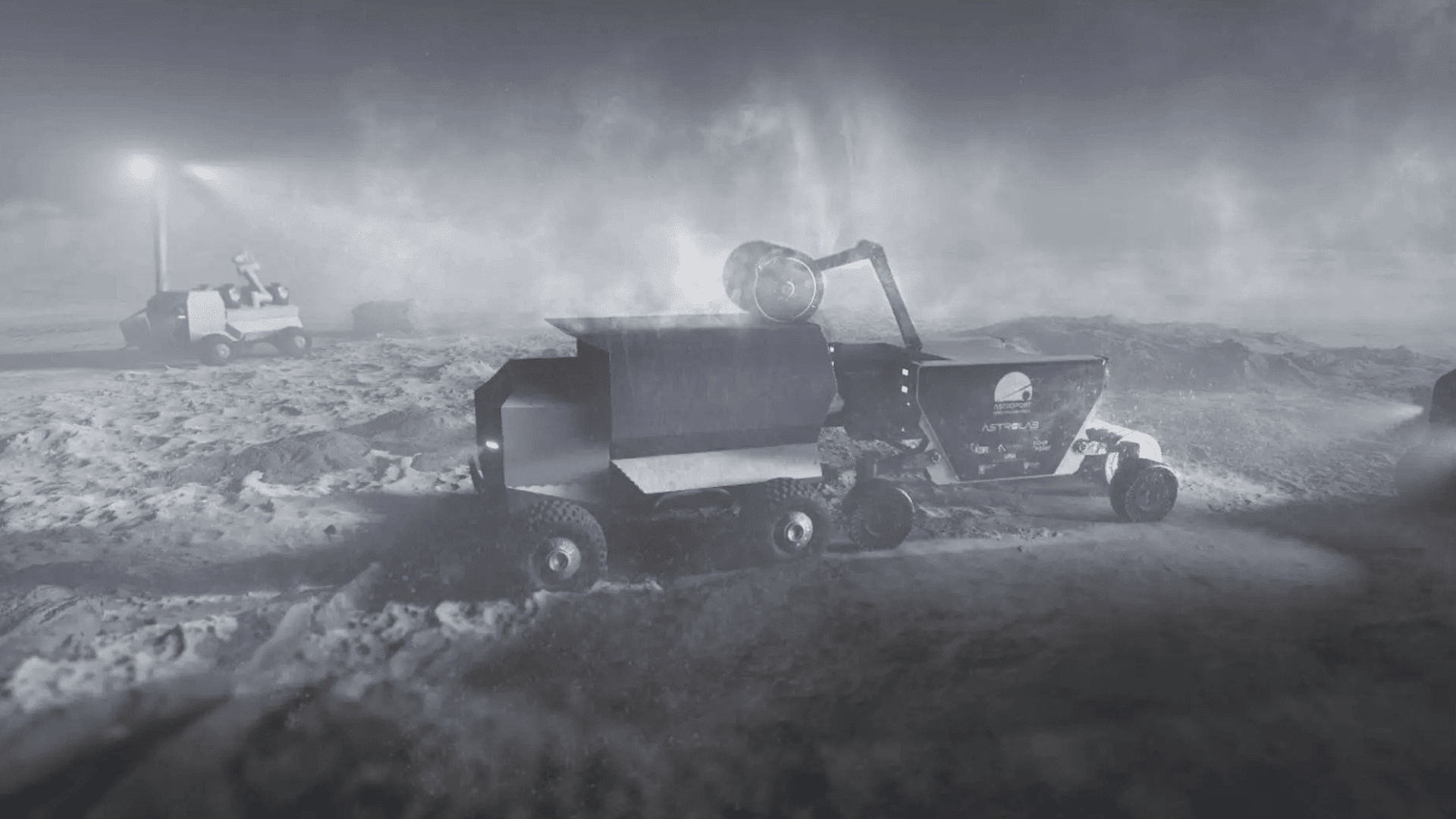
NASA and DARPA have been using Griffin to help design nuclear-powered rockets and small reactors for the Moon. Using these models, they can plan for spacecraft that travel faster and carry more equipment while protecting the crew from space radiation.
The big draw here is the ability to connect different types of physics. To understand a reactor, you have to know how the heat moves, how the fuel stretches, and how the fluids flow.
“Griffin provides the basic nuclear physics that everything else is built on, which makes it the most important component for nuclear reactor simulation,” said INL researcher Josh Hanophy. “It is built with the ability to interact with other physics within the MOOSE framework or outside of that framework as well.”