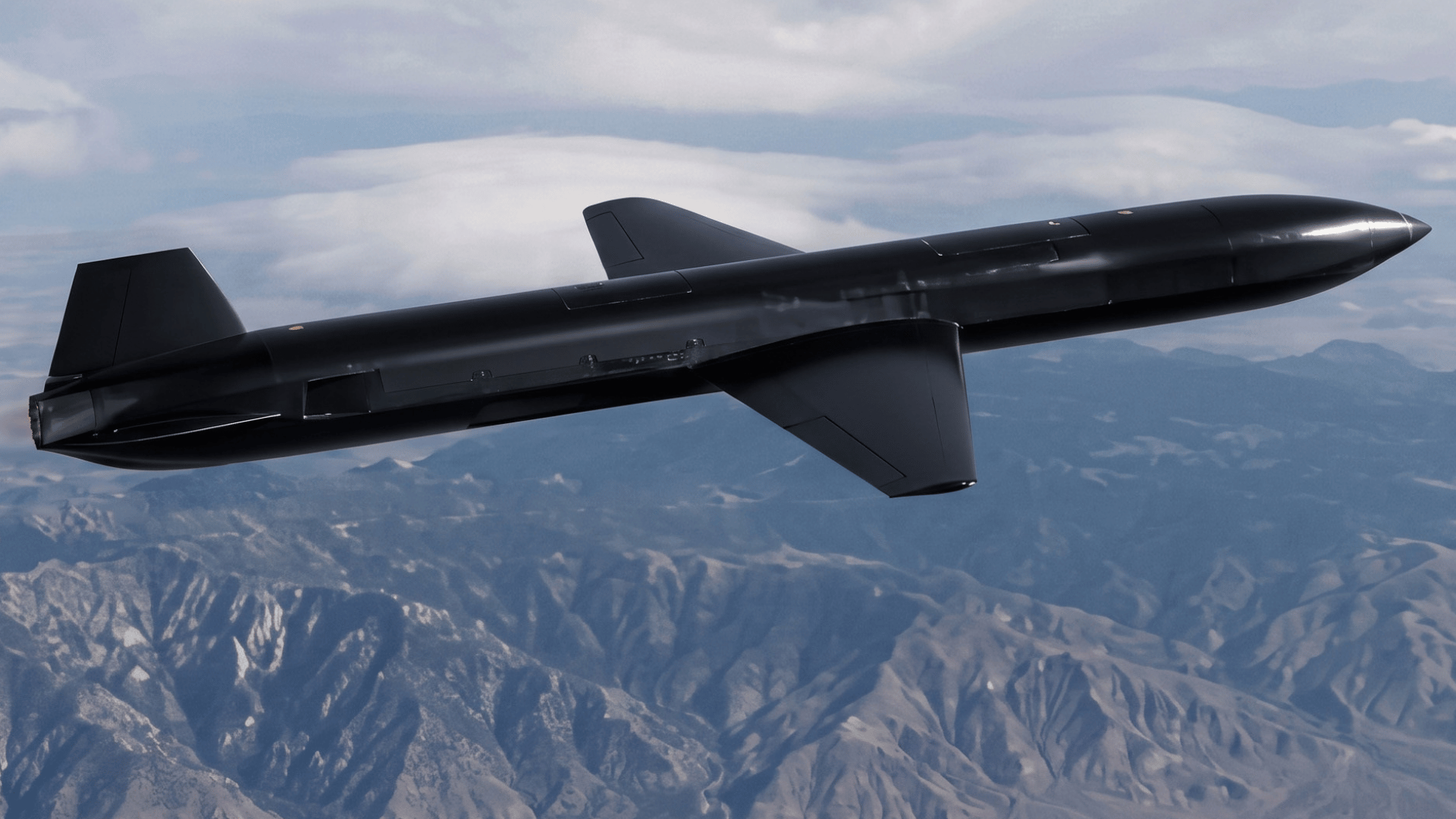
Autonomous vehicles have come a long way from pure science fiction to the real world, in the air, and in space. However, as satellites, drones, and cars begin to use increasingly complex algorithms to make decisions and operate without human intervention, they also begin to pose vulnerabilities to cyber threats.
A Ph.D. student at Clemson University is tackling that issue and has received recognition for his work with one of the most highly competitive graduate fellowships in the country.
A Highly Exclusive Fellowship
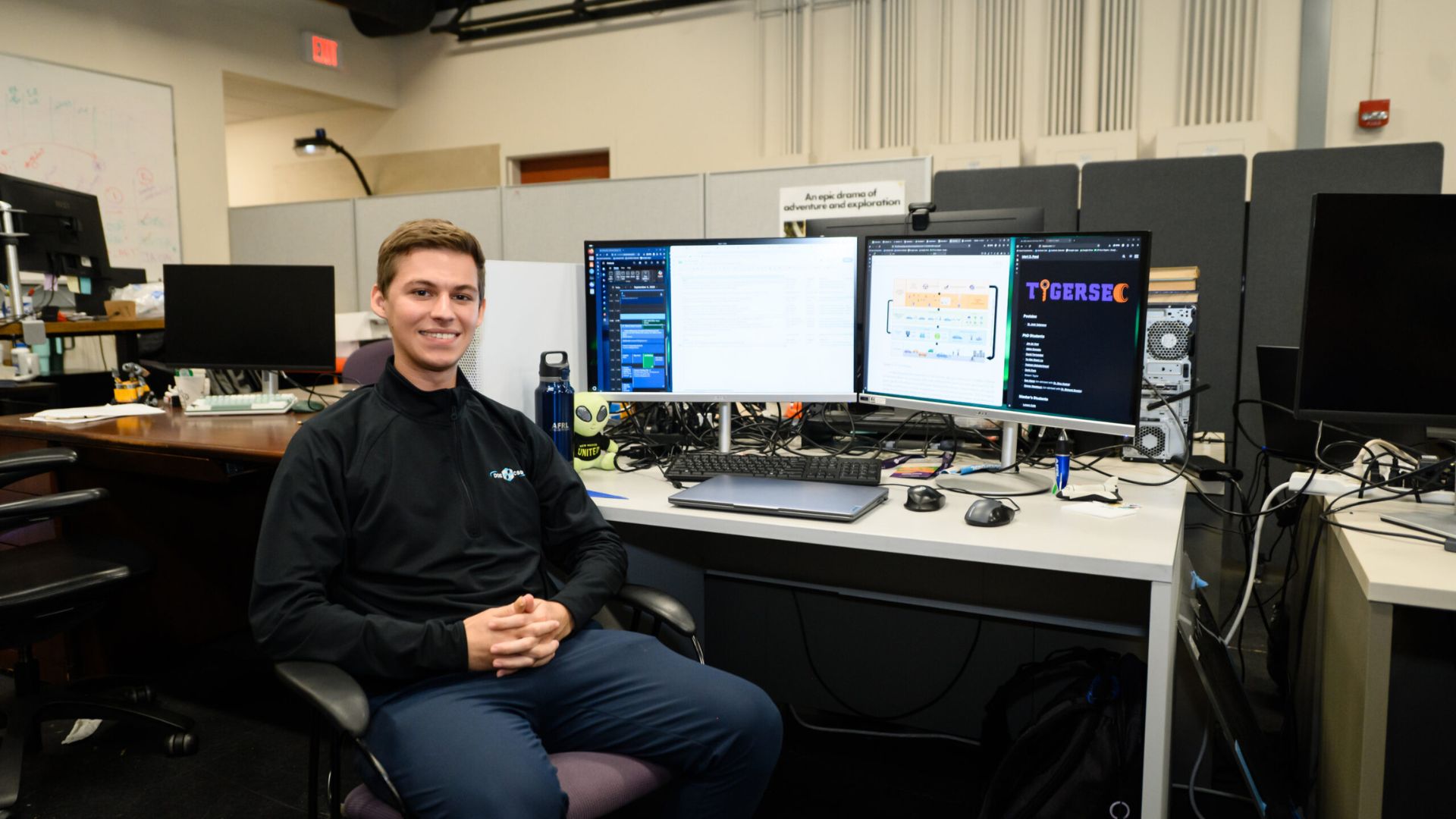
Marcos Sanson, a first-year computer science Ph.D. student, just earned a major honor: he’s been awarded the 2026 Department of Energy Computational Science Graduate Fellowship. Out of 882 applicants, only 29 were selected, a tiny 3%. Marcos is now part of an impressive group of graduate students from top schools like MIT, UC Berkeley, and Stanford.
This fellowship is extremely valuable. It offers up to 4 years of tuition, a $45,000 annual stipend, and a 12-week research practicum. For Marcos, having the opportunity to conduct research at the Department of Energy’s national labs is not only valuable for his resume but also allows him to shape his career and make an impact in his field.
Advertisement
Smarter, Safer, And Harder To Hack
Sanson’s research focuses on the algorithms that enable autonomous systems to perceive and make decisions about their environment. From off-road autonomous vehicles to satellites in space, all of these systems must be completely immune to malicious interference in the digital space.
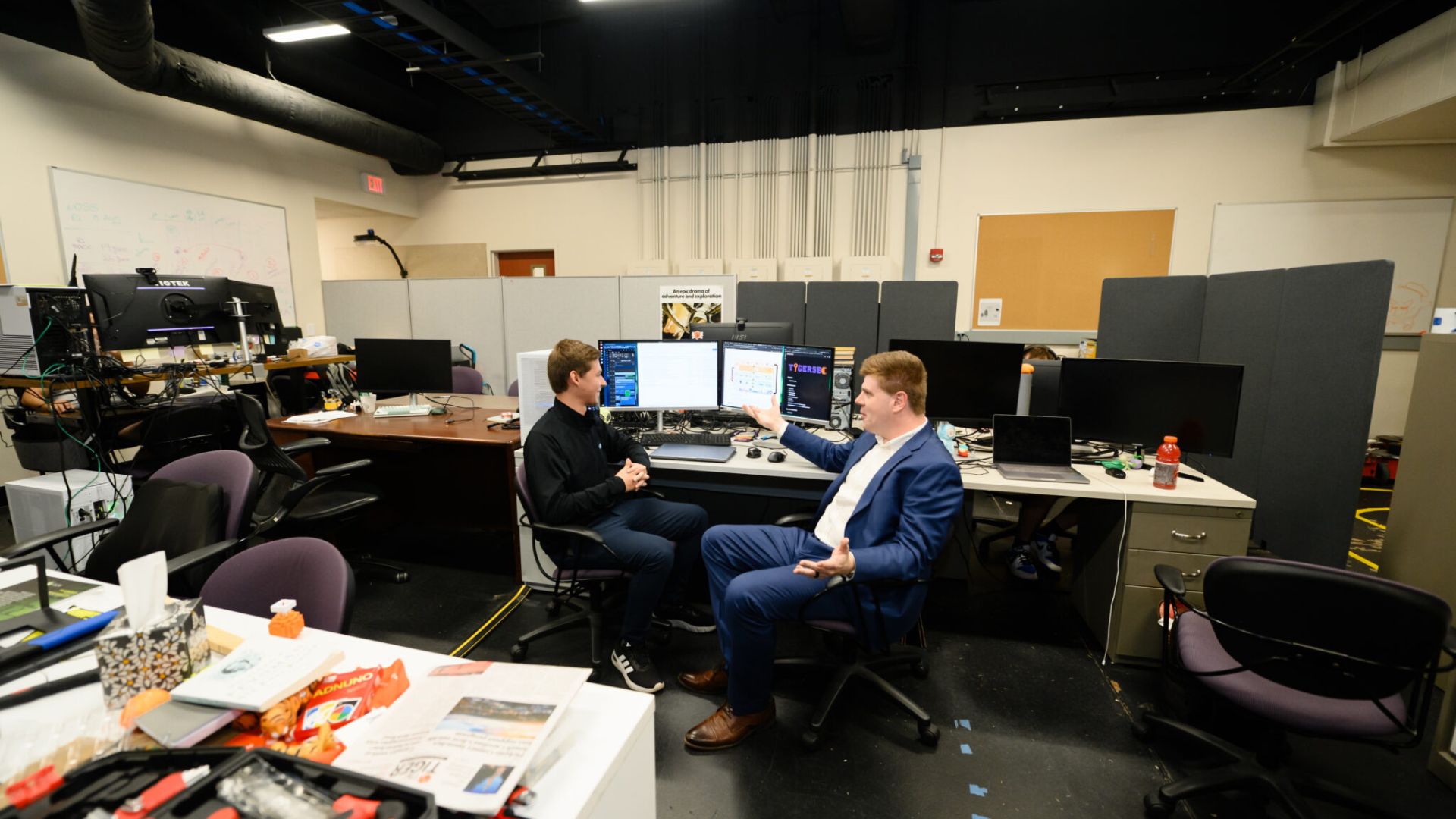
“My goal is for the software and algorithms I work on to be put into physical vehicles in the real world,” Sanson said. “They could help prevent a cyberattack if someone tries to take control of a vehicle, and more broadly, help make autonomous vehicles safer and better able to serve people.”
To pursue this ambitious goal, Sanson sought out a university with a strong focus on automotive and autonomy research, eventually teaming up with his advisor, Mert D. Pesé, an assistant professor of computer science at Clemson.
“Marcos is an outstanding student with the ability and motivation to take on challenging research problems,” Pesé said. “Having a student of his caliber in our group creates opportunities to pursue ambitious work and strengthens the research we are building at Clemson.”
 Read Exclusive Stories
 Bookmark & Save Articles For Later