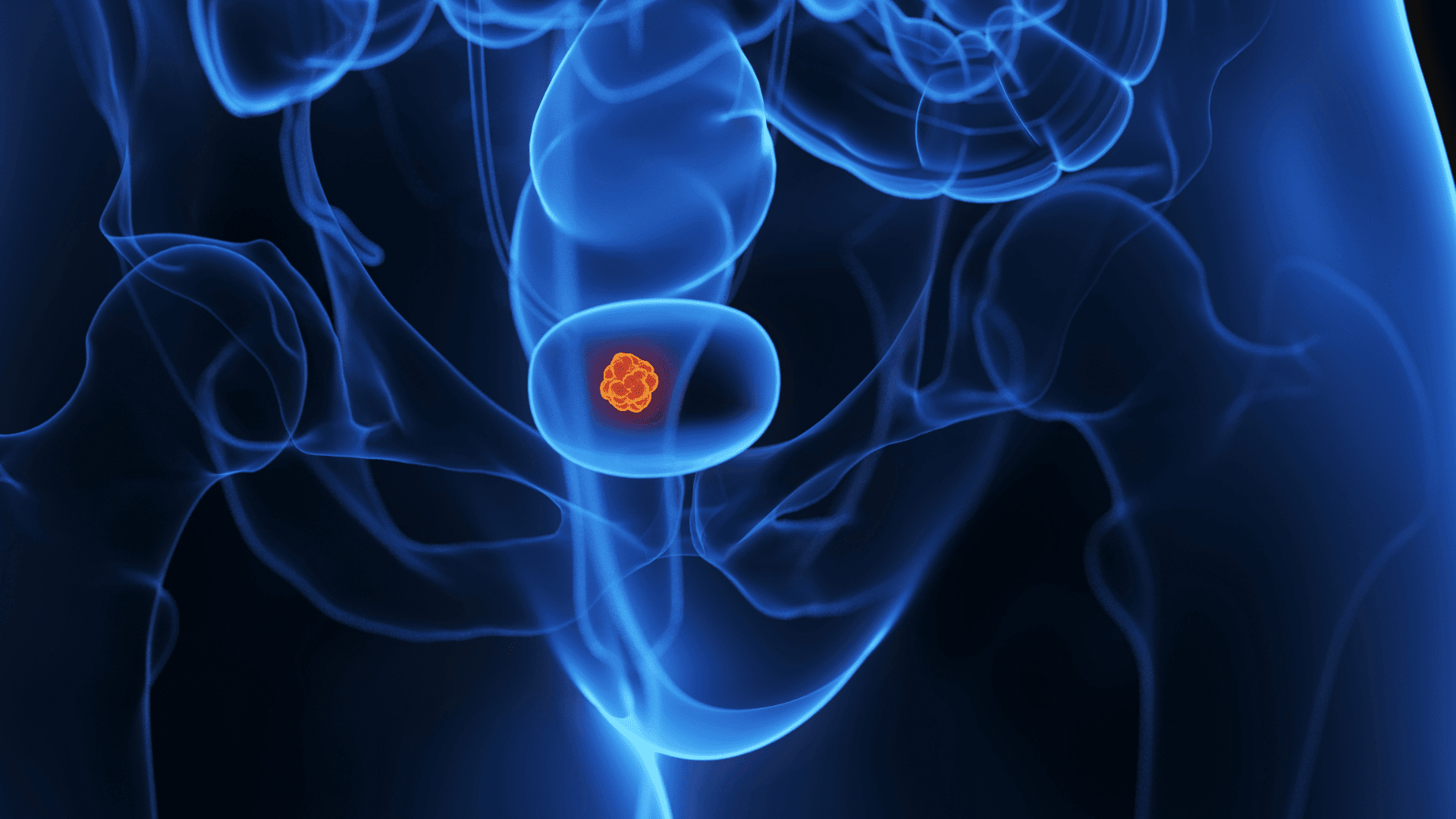
Treating bladder cancer usually requires a surgery to remove the tumor. Following tumor removal doctors deliver drugs directly into the bladder using a catheter. However, those drugs often struggle to reach deep inside the tumor tissue. Because of this, patients end up needing higher doses or much longer treatment times.
Researchers from the University of Edinburgh and Xiamen University built tiny, magnetic robots out of natural microalgae to carry chemotherapy drugs directly to the cancer.
Attacking Bladder Cancer with Microbots
These single-celled algae are cheap, abundant, and easy to mass-produce. In addition to being easily accessible, they’re safe for the body and naturally break down over time. Their tiny, sponge-like structures make them perfect for safely holding and releasing a chemotherapy drug called doxorubicin.
Advertisement
The microbots are placed in the bladder, and doctors use programmed external magnets to steer them. By watching a real-time ultrasound, researchers can guide the swarm of drug-loaded algae right to the tumor. They make the tiny robots roll and spin to switch from simply moving to actively releasing the drugs. The researchers compared the way these bots move through narrow spaces to a school of fish or a flock of birds flying together.
Faster Treatment, Better Results
The team tested this method on mice with bladder tumors and found that the microbots drove the drugs deep into the tumors fast, while keeping healthy cells safe from side effects.
In fact, the drug penetration was more than ten times higher than standard treatments. After just one week of therapy, the tumor size in the mice shrank to less than three percent of what was seen in the group that got standard care. And the treatment only takes about 30 minutes to complete.
“Our microrobots are engineered from tablet-like microalgae, can be remotely guided to the tumour using real-time imaging feedback, and release drugs exactly where they are needed to drive rapid tissue penetration in a minimally invasive way,” Study co-lead Dr Qi Zhou, Lecturer in Biomedical Informatics at the University of Edinburgh’s Institute for Neuroscience and Cardiovascular Research, explained.
 Read Exclusive Stories
 Bookmark & Save Articles For Later