The ritual of turning on the shower and waiting for the water to warm up is a daily habit for millions of people. However, water sitting in the pipes while people wait to turn on their showers may allow bacteria to thrive, which could cause severe respiratory infections.
A team at the National Institute of Standards and Technology (NIST) has developed a solution to this problem by patenting a method for heating water heaters to kill bacteria in the water, without exposing people to burns when the hot water emerges from the tap.
The Hidden Problem in Modern Plumbing
A result of improving water efficiency in homes over the last few decades is that modern showerheads and faucets use significantly less water than they used before.
This conservation of water benefits the environment. However, the size of the pipes that carry the water has not changed. As a result, the water that comes out of these modern showerheads sits in the pipes for longer, creating an ideal environment for the bacterium Legionella pneumophila to grow.
Modern water heaters are typically set to around 120 degrees Fahrenheit to conserve energy and to avoid the risk of scalding others in the household. However, as water cools in the pipes from the water heater to the showerhead, it reaches the perfect temperature for Legionella to grow and proliferate.
Advertisement
Heating it Up to Cool it Down
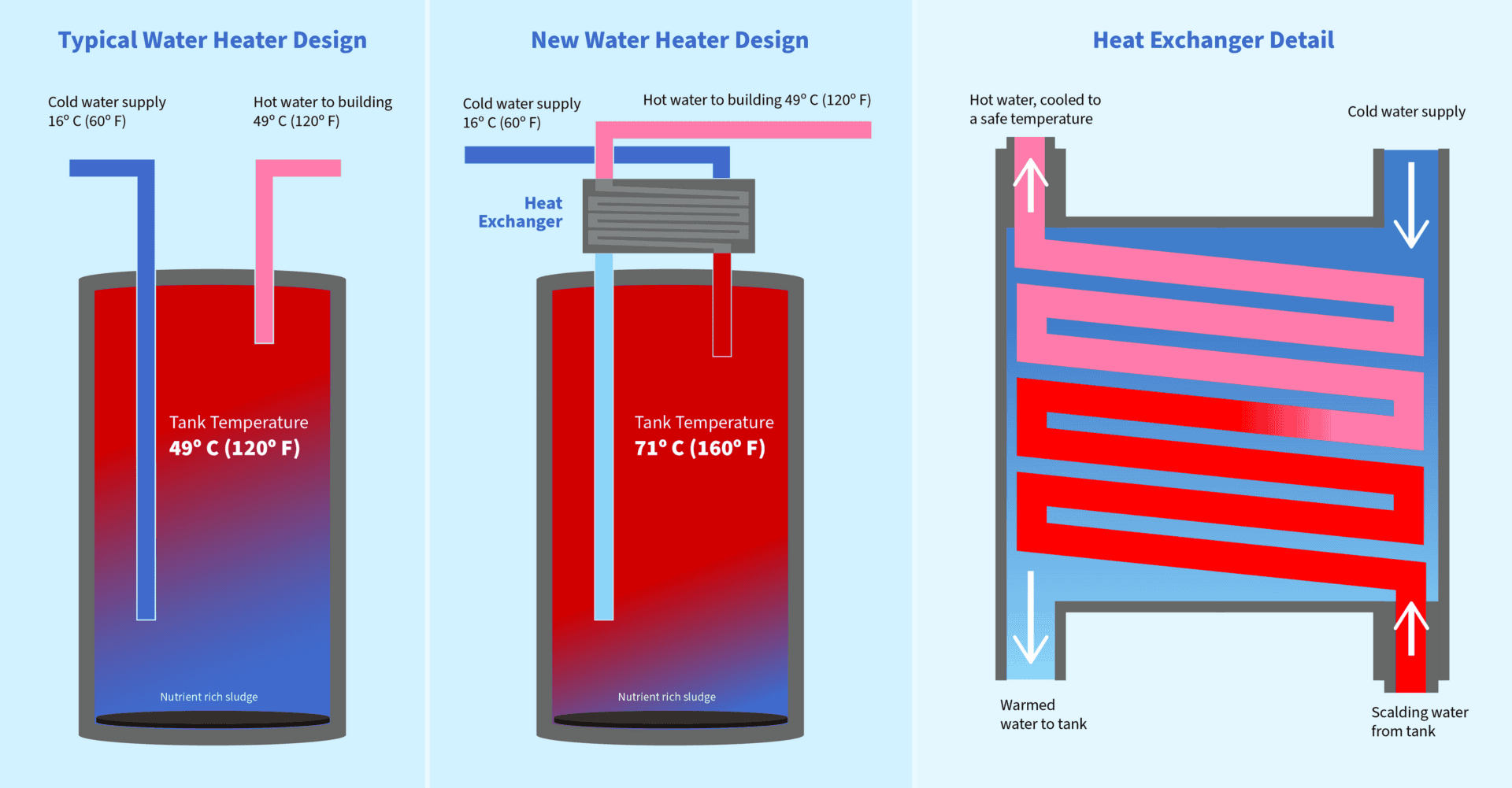
If the water heater settings were raised to around 160 degrees Fahrenheit, the risk of Legionella would be almost entirely eliminated. However, water that hot would pose a burn risk for people in the household.
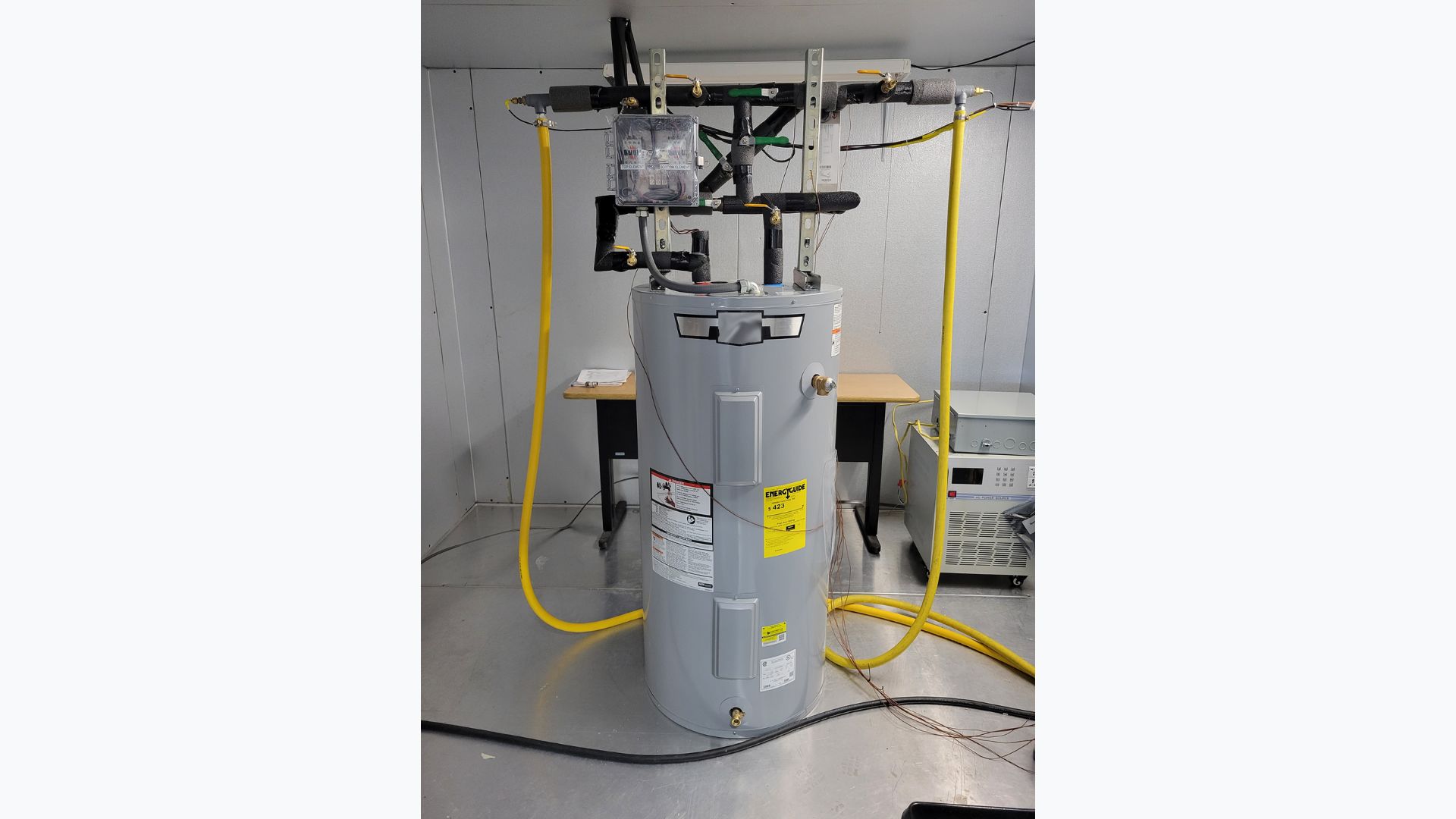
Dave Yashar, an engineer with NIST, found a way around this problem by heating the water to 160 degrees in the water heater. However, as the hot water leaves the water heater, it passes through a heat exchanger that transfers the thermal energy from the hot water to the cold water coming into the water heater. This preheats the incoming cold water and cools the water that comes out of the tap to a safe temperature.
A Cheap Fix for Big Buildings
The researchers built a prototype of this system using an off-the-shelf water heater for around $100.
This system could be helpful in individual homes. However, the researchers would like to see this system used in large buildings such as hotels, nursing homes, and hospitals that spend a lot of money to ensure their water systems do not harbor bacteria capable of causing serious illness.
 Read Exclusive Stories
 Bookmark & Save Articles For Later