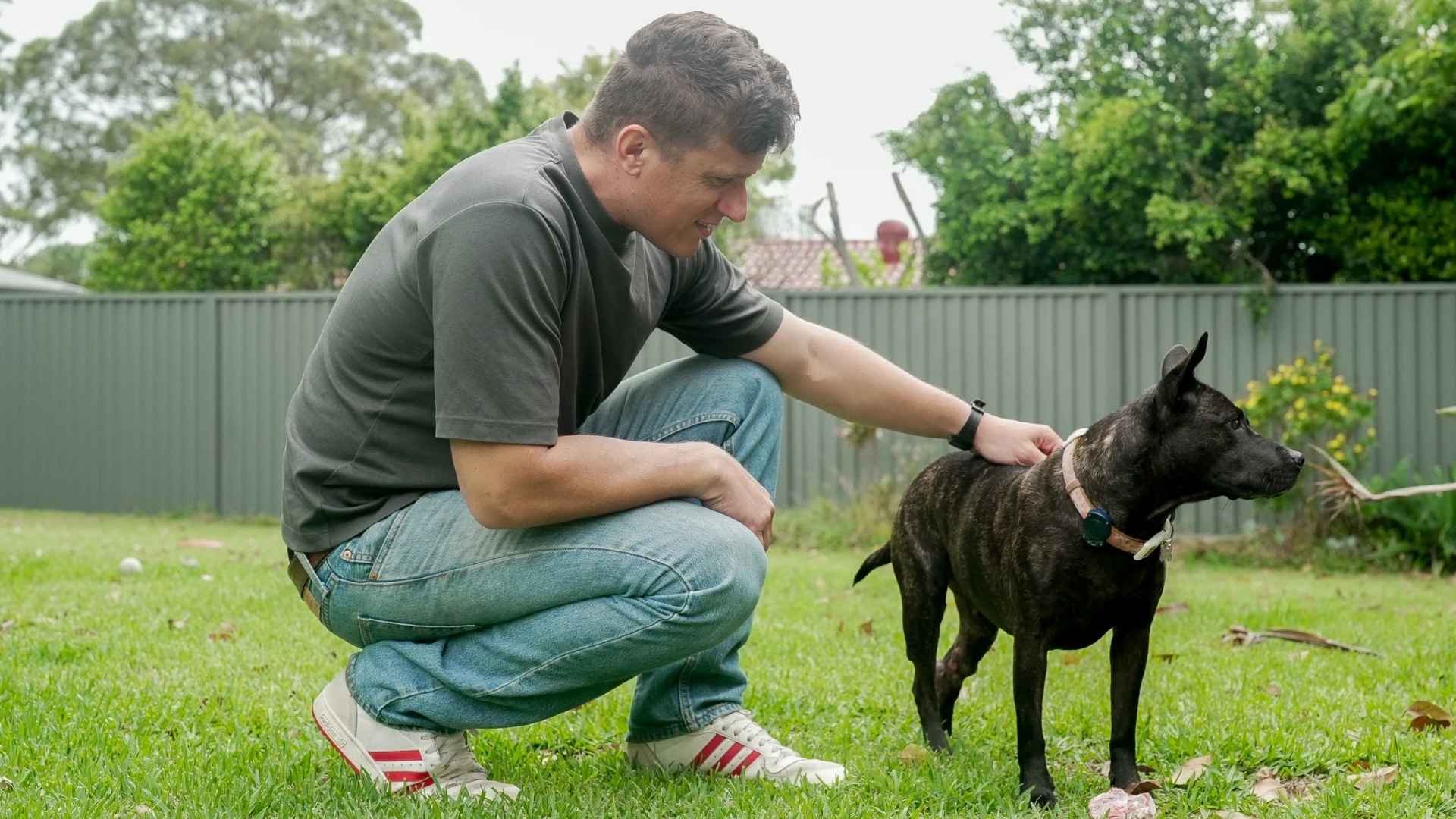
Paul Conyngham’s dog Rosie was diagnosed with terminal cancer with no treatments available. However, using his 17 years of experience with machine learning and the power of ChatGPT, he would create a vaccine to fight the cancer that had spread to his dog.
The “Citizen Science” Breakthrough
Rosie was diagnosed with aggressive mast cell cancer that did not respond to the surgical and chemotherapy treatments. Conyngham created a “DIY” approach to treating Rosie by spending $3,000 AUD to sequence his dog’s healthy DNA and cancer DNA samples at the University of New South Wales (UNSW). Using this information, Conyngham used ChatGPT to draft a 100-page document to demonstrate the ethical basis of the vaccine protocol for Rosie. Additionally, he used Google DeepMind’s AlphaFold AI to model the 3D structures of the mutated proteins in Rosie’s tumor to develop a personalized vaccine.
From Code to Clinical Trial
Advertisement
The UNSW RNA Institute created the personalized vaccine using Conyngham’s “half-page” formula. Conyngham traveled 10 hours to the University of Queensland to administer the vaccine along with a checkpoint inhibitor to Rosie’s system.
A Glimpse into the Future
The vaccine’s effects were visible after administering it to Rosie. The tumor on Rosie’s leg decreased by 75%, and her previously lethargic dog regained her spirit. Although the scientists who performed the research note that this is a “partial response” to the treatment for Rosie’s cancer, as she still has tumors that are chemoresistant to the treatment, it is the first time a personalized vaccine for cancer has been developed for a dog. However, creating the vaccine with AI took mere months, rather than the decades needed to develop cancer treatments in humans. This story offers a glimpse into the future of citizen scientists using available AI tools to solve complex problems in medicine.