Researchers at Otto von Guericke University Magdeburg have designed a hydrogen-powered engine that emits zero emissions and achieves over 60 percent efficiency. It can even match the power of traditional diesel engines, opening up the possibility of green alternatives for large machines.
Clean Power Using a Smart Loop
Unlike normal engines that suck in air and blow out exhaust, this new engine holds onto most of its gas mixture. After each power cycle, the system cools, processes, and reuses the gas. The hydrogen made during the reaction is removed and turned into a liquid. Because of this, the working gas just keeps circulating.
While hydrogen provides the energy and oxygen gets the reaction going, argon acts as a stable carrier gas. It doesn’t burn or react on its own, making the combustion smooth and efficient.
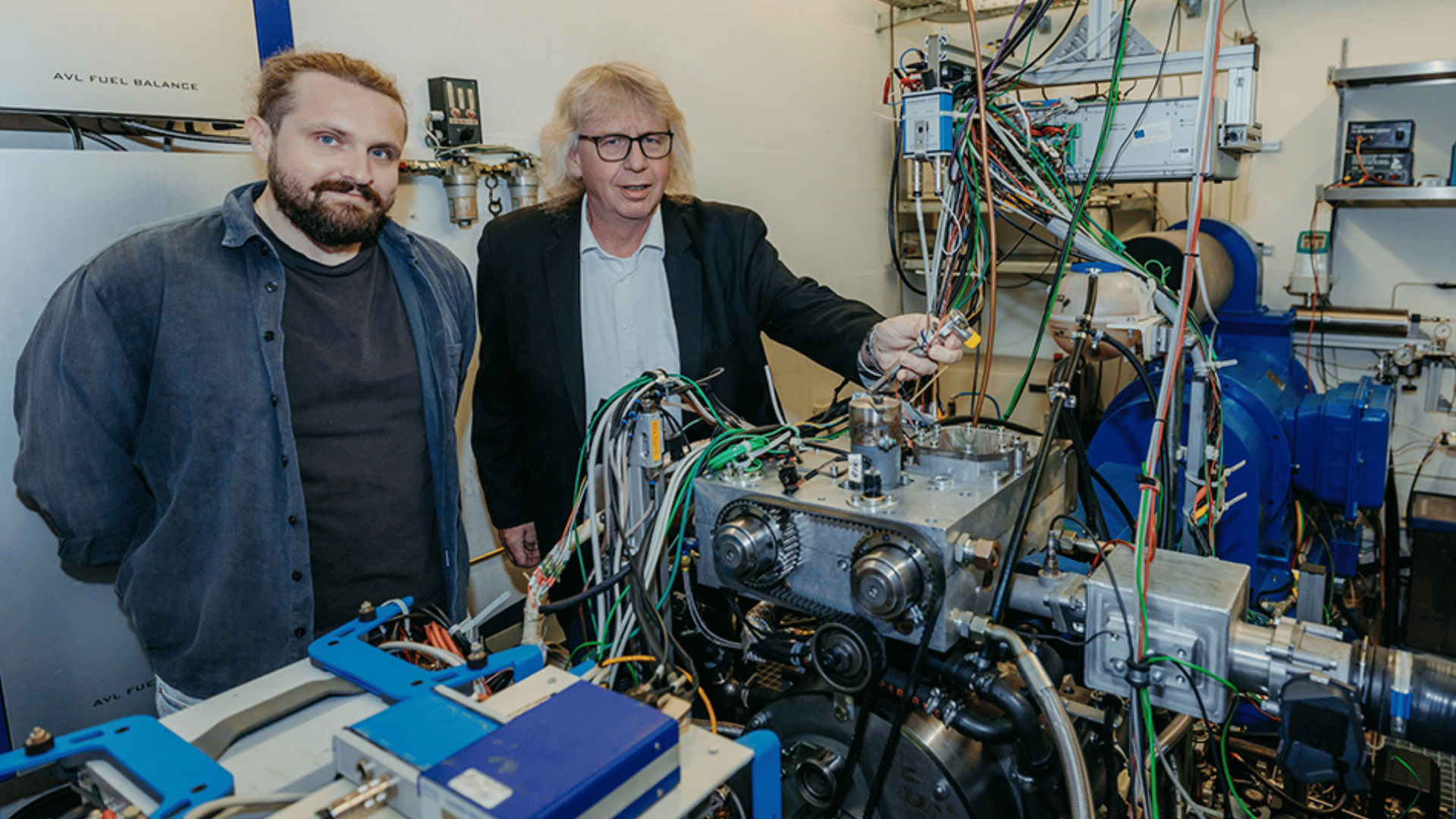
The research team, led by Professor Hermann Rottengruber, tested these motors on a test bench and ran computer simulations. They found the engine could be very useful for large machinery.
“This technology could become increasingly important, especially in applications where drives operate under high loads for extended periods, need to be robust, and are required to deliver high power,” said Rottengruber. “These include ship propulsion systems, generators, tractors, large construction and harvesting machines, wheel loaders, and long-haul trucks.”
Advertisement
Next Steps For Hydrogen Engines
The closed engine system also looks good for saving money over the long term. Rottengruber explained, “In our assessment, the closed system can be cheaper than an open hydrogen combustion engine over realistic operating times.”
He points out that this is because you don’t need expensive exhaust systems, and the process is very efficient. “This is due, among other things, to the elimination of costly exhaust systems and the high efficiency of the process.”
However, there are still a few hurdles to clear. For example, the engine’s power is capped because it can only take a certain amount of hydrogen at once. Also, things like burned lubricating oil can cause carbon dioxide to build up in the loop, which lowers efficiency.
As the pressure mounts to cut emissions by 2050, companies want new solutions. “Leading manufacturers of ship propulsion systems have already signaled great interest,” Rottengruber added.
 Read Exclusive Stories
 Bookmark & Save Articles For Later