The annual Lyrid meteor shower is underway this week and is predicted to peak during the predawn hours of April 22. The Lyrids, which occur between April 16-25 each year, average 15 to 20 meteors per hour, but some years it produces up to 100 meteors per hour in what’s called an “outburst”.
2026 Lyrid Meteor Shower
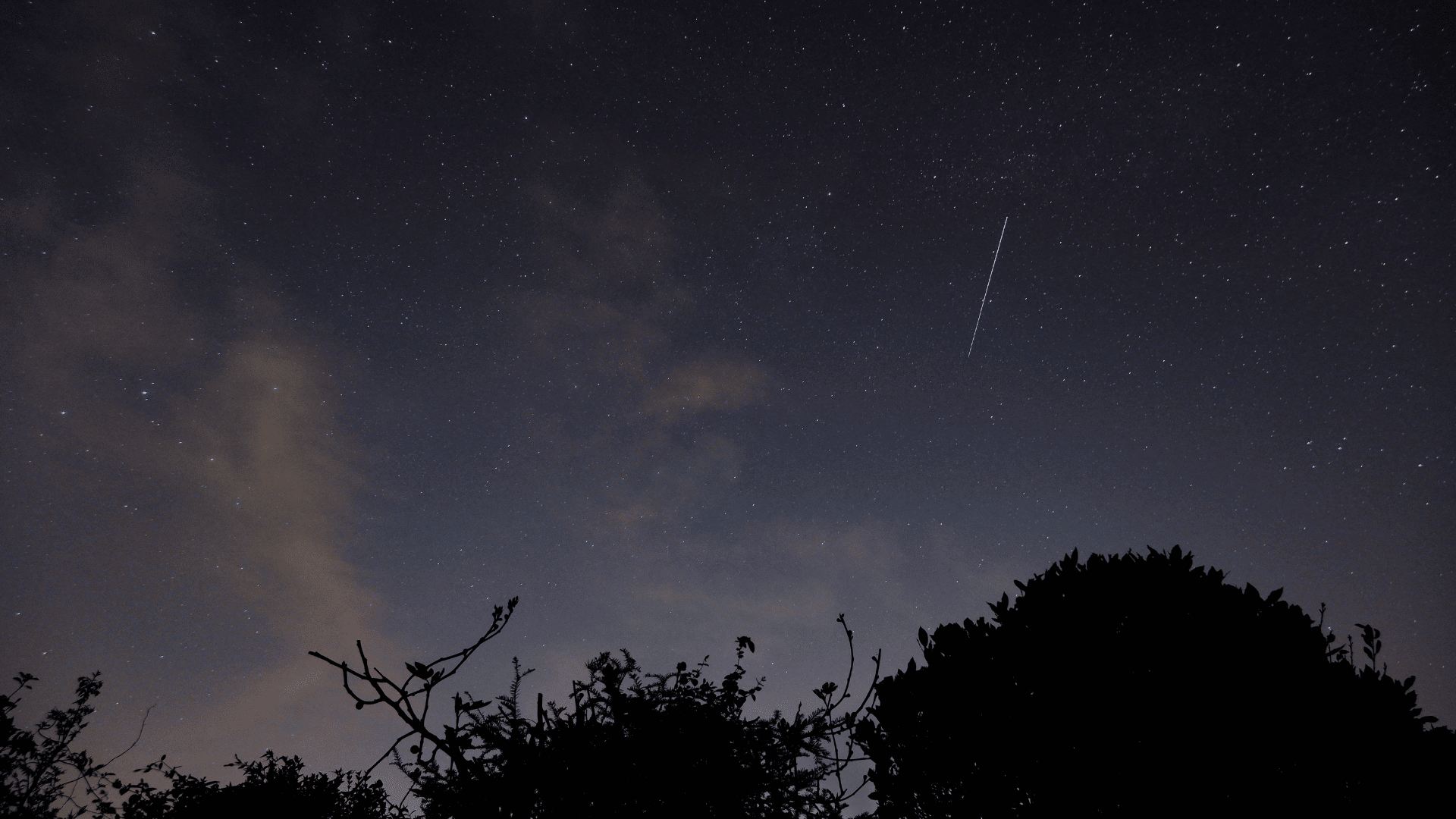
The best time to see this meteor shower is during the predawn hours, but visibility will decrease as the sun rises. The radiant, or the point where the meteors appear to come from, will be in the constellation Lyra to the northeast of Vega. Vega should be pretty easy to spot as it’s one of the brightest stars in the night sky during this time of year.
Though you shouldn’t have a hard time finding Vega and Lyra, ensure you’re not looking directly at the radiant because the longest and most dramatic streaks will appear farther away.
Advertisement
With a medium brightness, the Lyrid meteor shower is not as bright and visible as the Perseid meteor shower, which occurs annually in August. According to NASA meteor expert Bill Cooke, the Lyrids are one of the oldest recorded showers, with observations going back to 687 B.C.
To best see the meteors, go to the darkest possible location in an open landscape like a field, beach, or hilltop and allow about 30 minutes for your eyes to adjust to the dark. Ensure you’re looking toward the darkest, clearest part of the sky. Luckily, the moon reportedly won’t interfere with this year’s visibility.
If you don’t have the time or a suitable area to stargaze, however, you can still catch the meteor shower in one of many night sky livestreams. Many of the streams even include a chat feature where observers can drop timestamps to indicate when meteor streaks occurred.
 Read Exclusive Stories
 Bookmark & Save Articles For Later