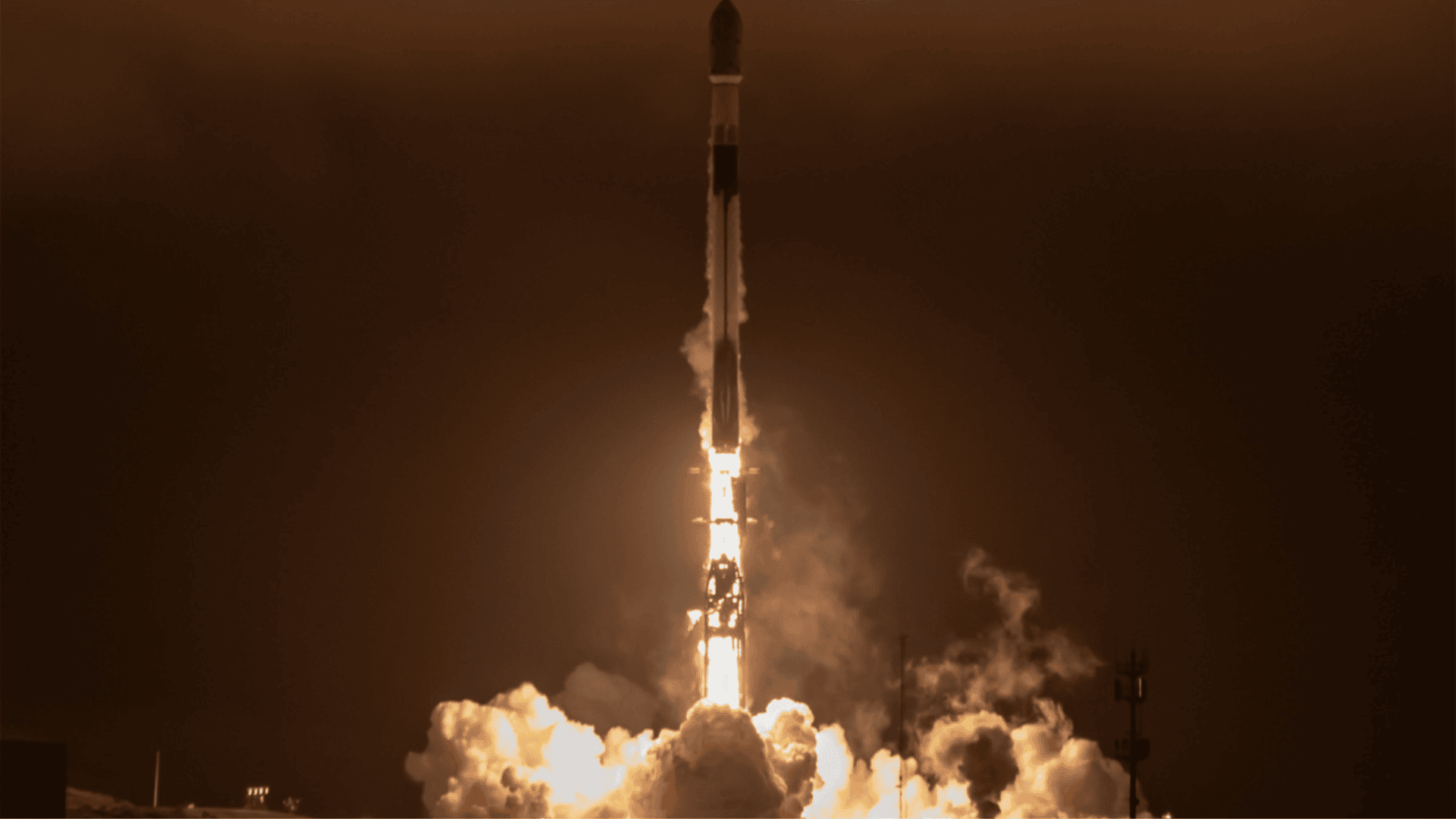
On July 7, 2026, City Labs launched the BOHR satellite on the SpaceX Transporter-17 rideshare mission. It is the world’s first commercial nuclear-powered satellite and the first nuclear CubeSat. The significance of a satellite of this caliber is that it addresses the issues of the common solar-powered satellites.
Solar panels don’t work in the dark, a problem that engineers face during deep space missions and permanently shadowed parts of the moon.
Powering Space Missions with Nuclear
BOHR, which stands for Betavoltaic Orbital High-Reliability, uses City Labs’ NanoTritium technology to make continuous electrical power. The main spacecraft still uses normal solar panels to fly, but the nuclear tech runs the payload. This test proves we can power systems in space without needing the sun.
NASA’s Artemis program is heading back to the moon, and commercial companies want to run long missions past low Earth orbit. They need autonomous sensor networks that don’t die when the sun goes down.
Advertisement
“This is a historic step for commercial nuclear power in space. BOHR demonstrates that safe, compact, and regulatory-approved nuclear power systems are ready for routine commercial deployment,” City Labs CEO Peter Cabauy explained. “This capability enables persistent, always-on payload operations that are not constrained by sunlight or battery life.”
Strict Safety Tests
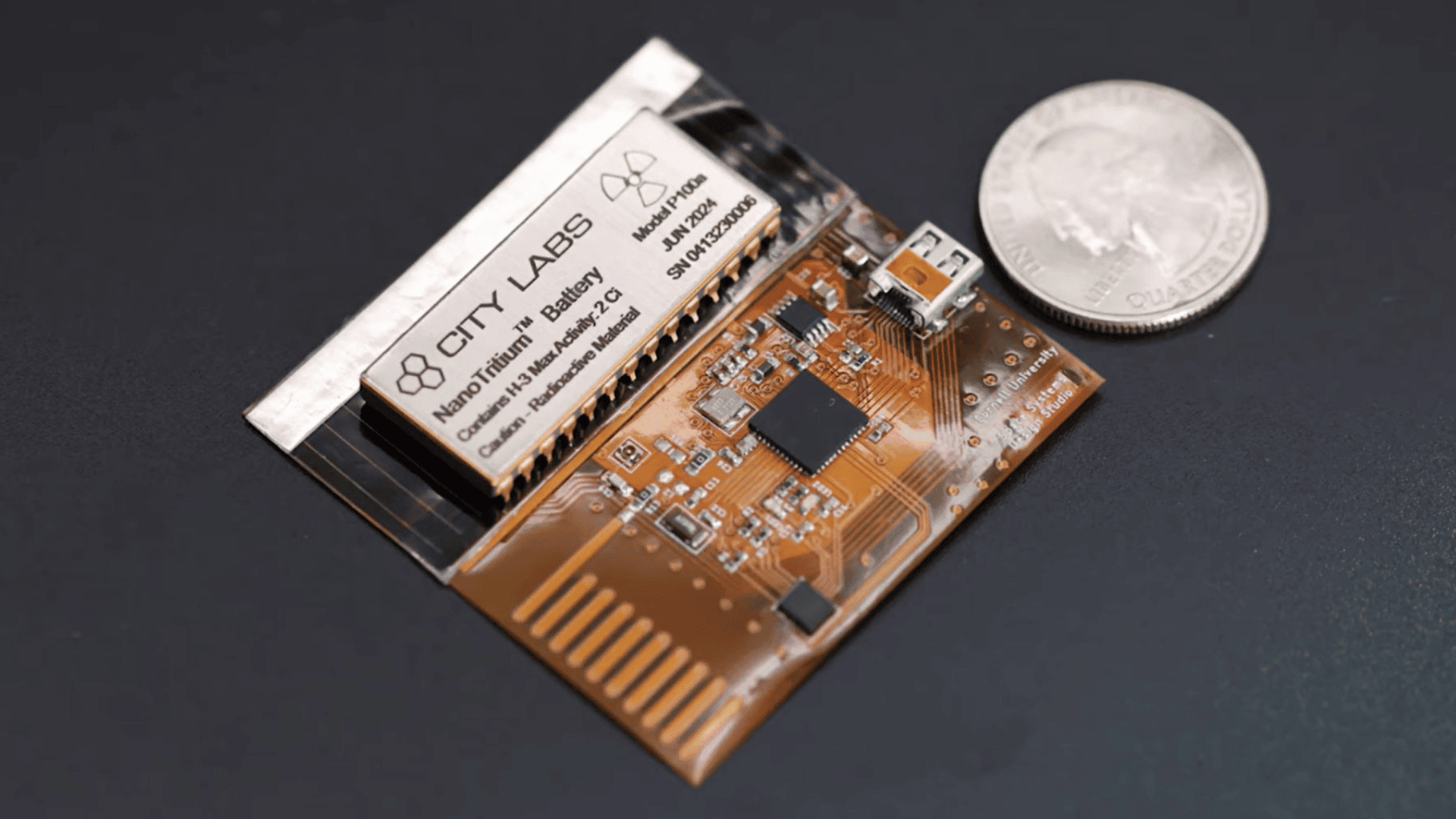
Just like on land, sending nuclear material into space comes with strict rules. BOHR is the first commercial mission to get cleared through the Federal Aviation Administration’s (FAA) specific pathway for nuclear launches. The FAA officially approved it on September 30, 2025.
City Labs put together the safety analysis, with Kevin Makinson leading the technical work. Sandia National Laboratories then reviewed it and helped deal with the regulators.
The tritium power systems have extremely low radiation. They are built to be safe to handle and can fly on normal commercial rockets. The project was funded by City Labs’ private money, the Department of Defense, NASA, and Air Force programs like AFWERX and SpaceWERX.
 Read Exclusive Stories
 Bookmark & Save Articles For Later