One of the best places in the United States to visit for a landscape that is more like another planet is White Sands National Park. This park is located in the state of New Mexico. It is 275 square miles in size and is the largest gypsum dunefield in the world, located within the Chihuahuan Desert.
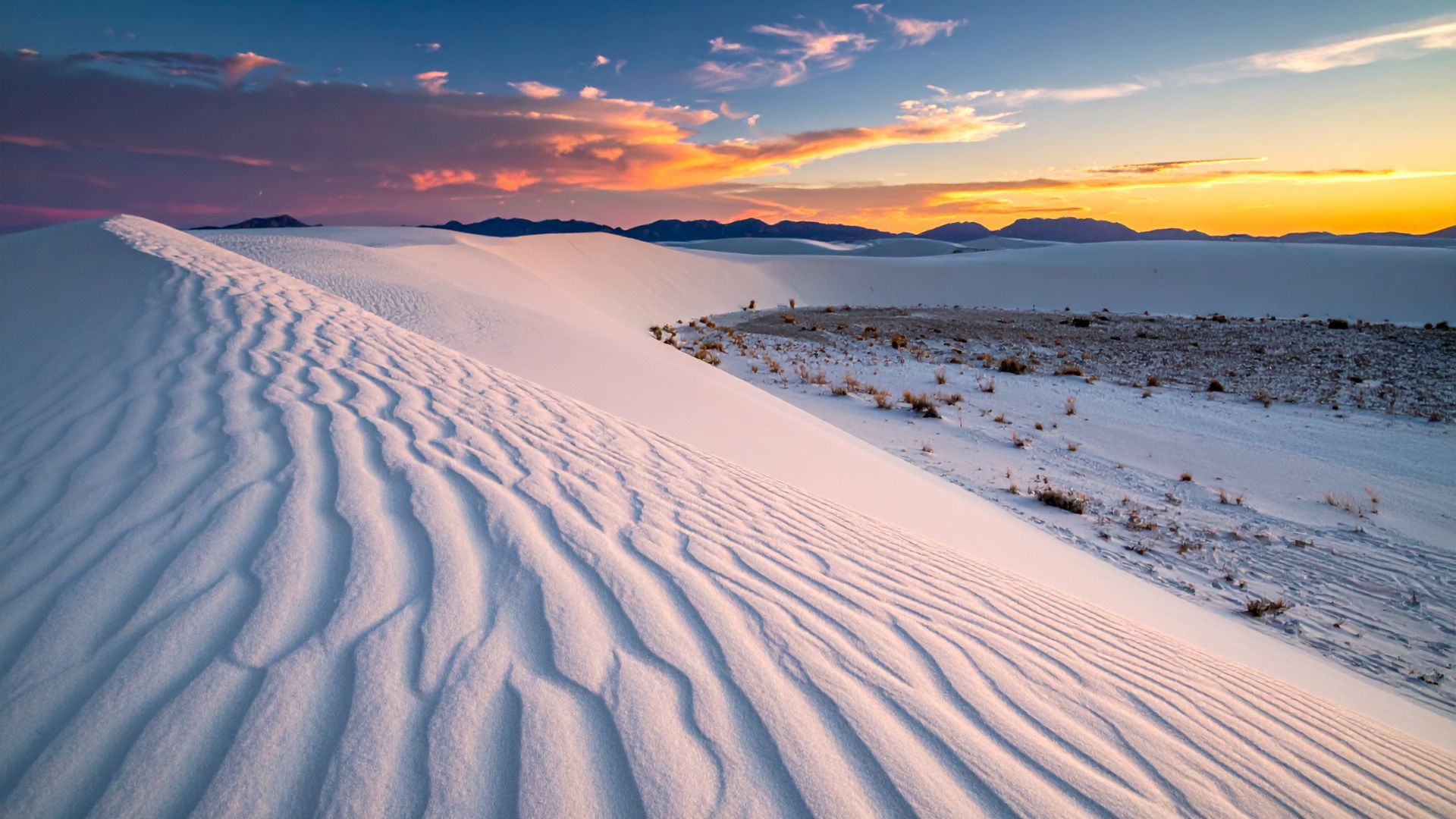
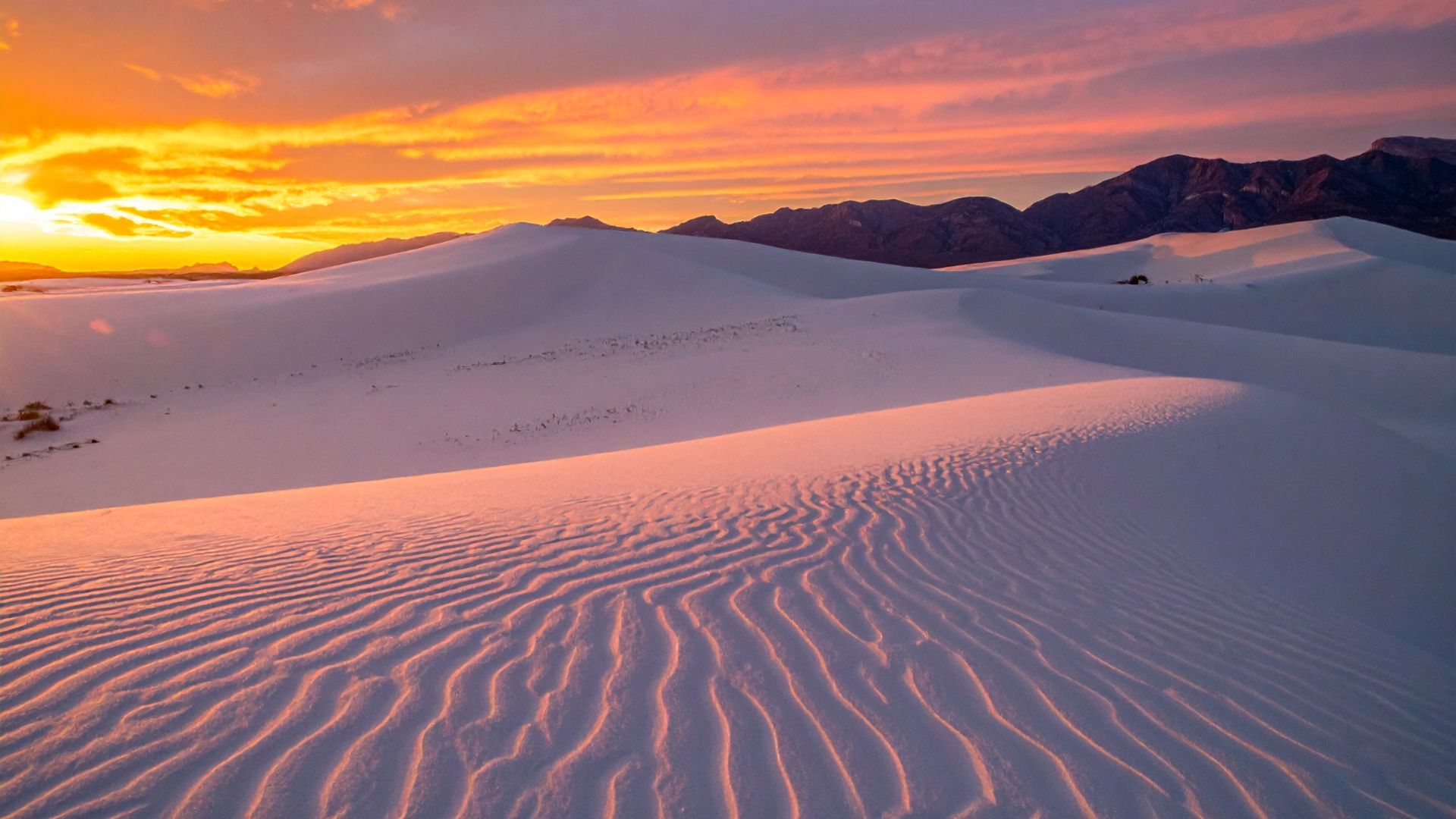
Photos of White Sands reveal a massive blizzard that has crossed over into the desert. The sand ranges from brilliant white to the color of fresh snow, and it extends for miles in every direction. For these reasons, it is considered one of the most visually appealing spots in the United States and a favorite for photographers and filmmakers to capture their productions.
The Science of the Sand
Sand at the beach is composed of quartz. At White Sands, the sand is composed of gypsum. Gypsum is a mineral that is common within the Earth’s crust. However, gypsum tends to dissolve in water. When it rains within the area, the gypsum dissolves and washes into the ocean. However, the gypsum that falls into the basin within which White Sands exists evaporates into the air, leaving behind gypsum crystals.
Over time, the wind breaks those gypsum crystals into sand grains, which deposit into the dunes. Because gypsum reflects the sun’s rays, the sand within White Sands does not become as hot as other deserts that contain sand. For this reason, individuals can walk on the sand barefoot during the summer.
Life in the Dunes
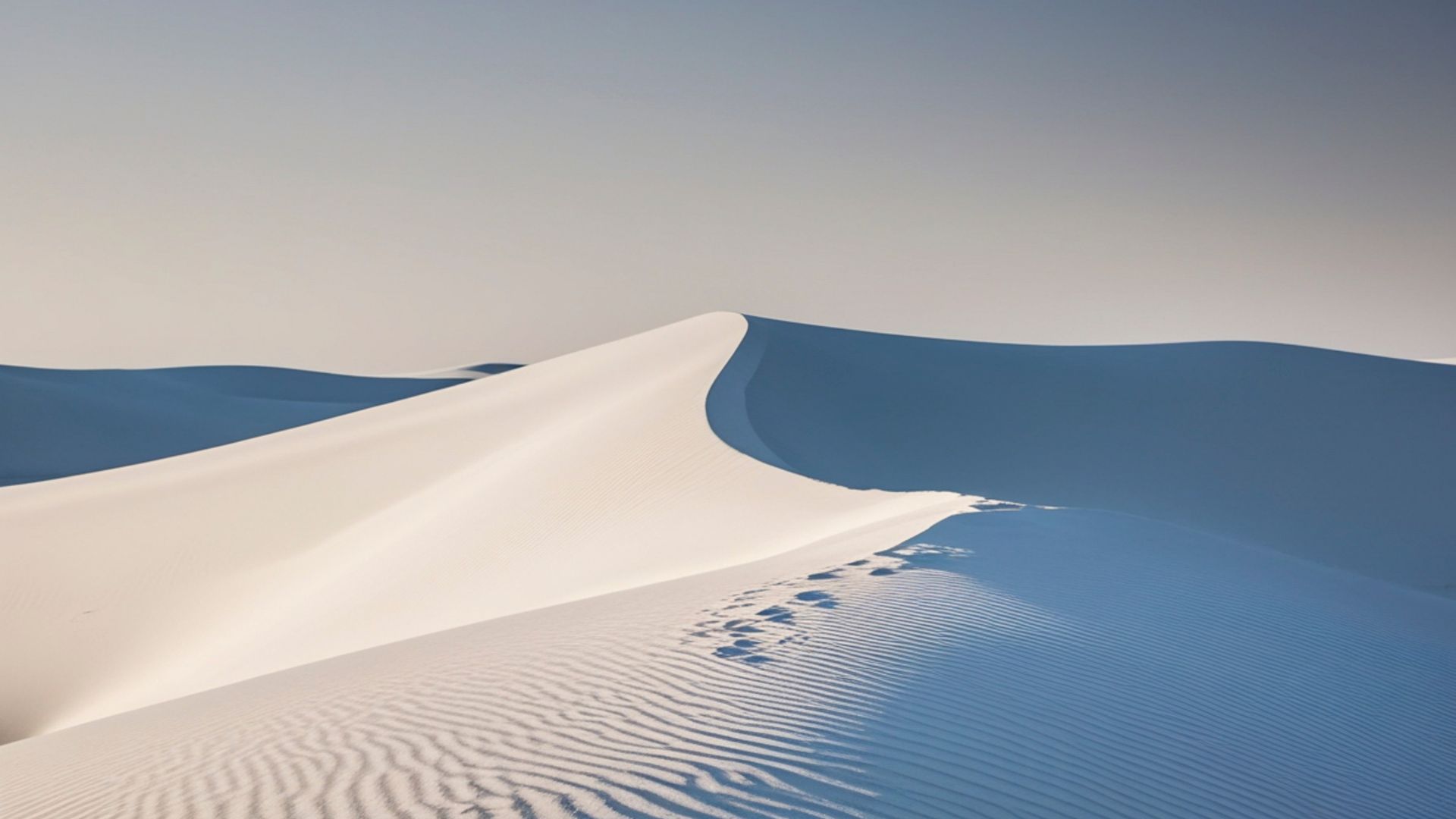
Though the dunes at White Sands do not appear to contain any life, various species of plants and animals call the location home. Though it is a desert, adaptations of the species that live within the dunes allow them to survive.
Advertisement
Many of the animals that live in the dunes have evolved to be white to blend in with the desert and avoid predators.
Planning Your Trip
If you decide to visit this desert, it is in southern New Mexico. The location is somewhat remote in the state, but it is easy to find and access once individuals arrive at the park. There is an eight-mile loop road that passes through the middle of the dunes. Individuals travel on plastic sleds to descend the hills as if skiing on snow. However, be aware that this location borders a military missile range that conducts tests here several times per year.
As such, the main road to the area can be closed for a few hours during these tests. Check the schedule of these tests in advance to ensure that you can travel on the main road. Finally, White Sands is an example of how weathering, erosion, and geology over time have created one of the natural wonders of the world today.
 Read Exclusive Stories
 Bookmark & Save Articles For Later