Next week, Google is launching a prototype satellite into orbit, the first real test for Project Suncatcher, a research effort to see if space can host large-scale machine learning systems.
Significantly, satellites in low Earth orbit receive almost constant sunlight, generating up to 8 times as much solar power as systems on Earth. Eventually, Google wants to link constellations of these satellites together to manage heavy AI workloads.
Chips Must Survive
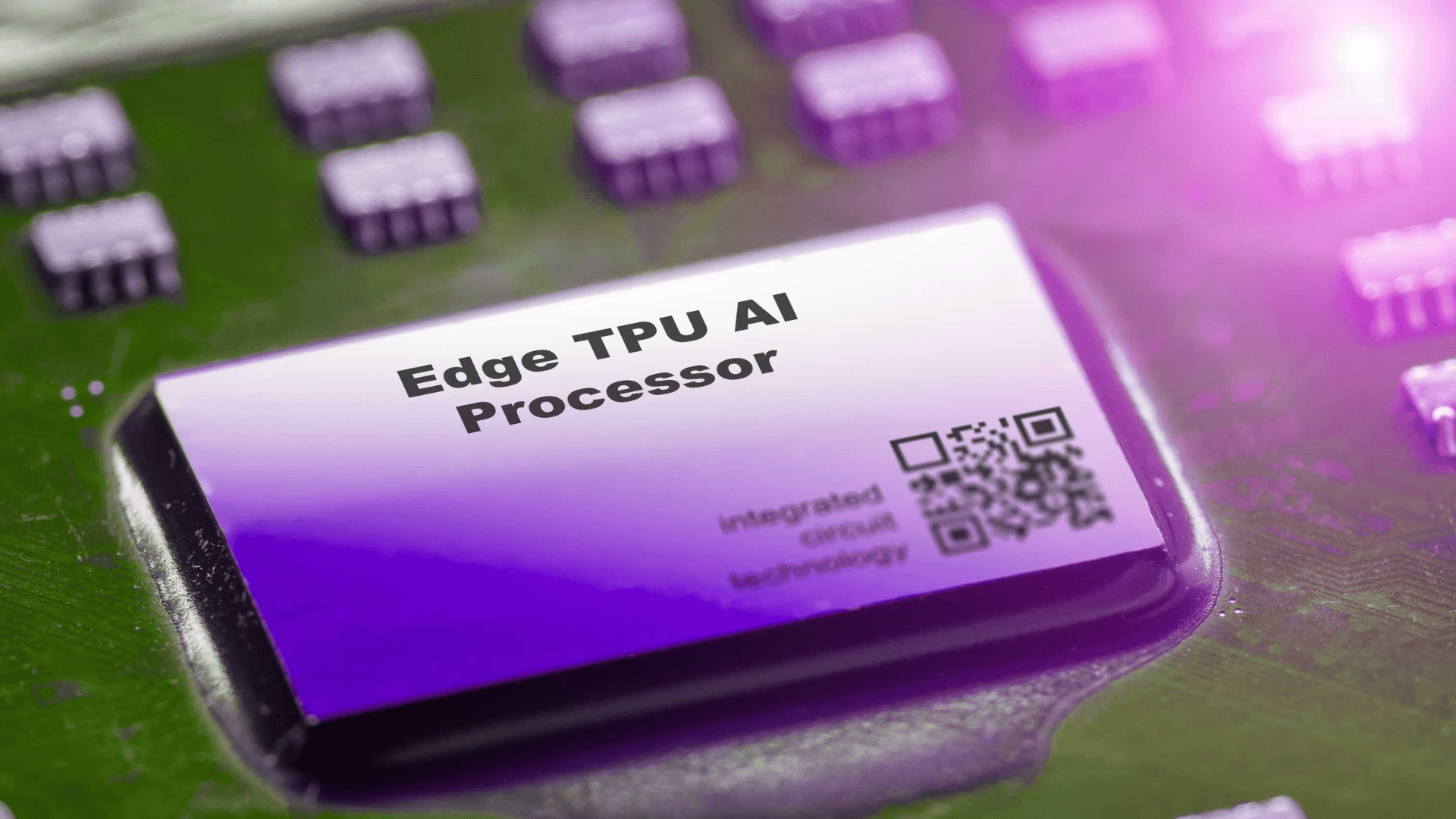
Getting computer chips to space is no easy task. For example, the 10-minute rocket ride brings heavy vibrations and sustained acceleration up to 10 times normal gravity. The individual Tensor Processing Unit (TPU) chips inside face even more pressure, up to 100 times gravity.
The team shook the satellite in a lab on all three axes to mimic the launch, and the hardware successfully held up.
Advertisement
Once in orbit, the chips face radiation from cosmic rays and solar events. To prepare, the team tested the chips while running workloads in a proton beam facility at UC Davis. The results showed the new Trillium TPUs can actually handle a total ionizing dose greater than what they’d receive during a full five-year mission.
Heat and Lasers
Cooling computers in space is another huge hurdle. TPUs create a lot of heat, but since space is a vacuum, there’s no airflow. The team is testing a mix of heat pipes and radiators to safely diffuse the heat.
Then there is communication. Future satellites will carry dozens of chips and fly in clusters. They have to talk to each other using high-bandwidth lasers over very short distances. Maintaining that connection takes extreme precision. It’s basically like trying to hit a coin-sized target from miles away while both points are moving. The team will test this setup with two satellites in 2027.
For now, this first launch is just about determining what works and identifying points of failure.
“Big breakthroughs happen when you work backwards from an end goal. In our case, it’s to ensure AI’s profound benefits in key areas, from healthcare to scientific discovery, can reach everyone, far into the future,” the team explained. “Just as early research into autonomous driving and quantum computing required years of experimentation before we got to practical systems, exploring compute in space begins with measured, deliberate steps.”
 Read Exclusive Stories
 Bookmark & Save Articles For Later