Robots are a pretty common delivery method these days, especially in busy cities. Up until now, those robots usually had a human “pilot” watching remotely, ready to take over if things got complicated. However, that is quickly changing as technology evolves.
Coco Robotics just announced the Coco 2, a new version of their delivery robot that moves away from human guidance toward full autonomy. While its first generation was a significant start, this new model is designed to think for itself. The company is positioning these as general-purpose tools for grocers, pharmacies, and local shops to move goods across town.
Learning From the Streets
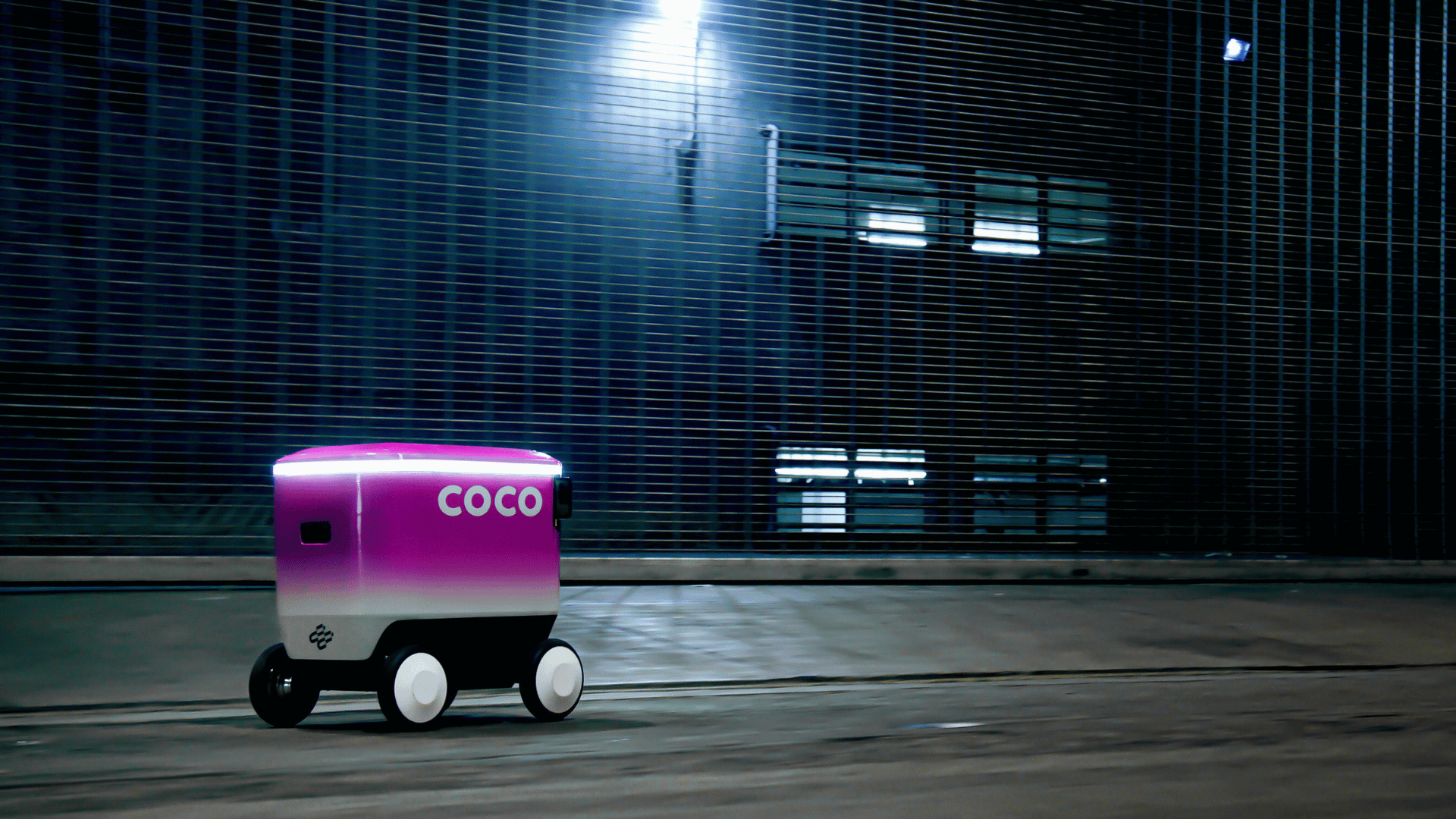
The big challenge for any robot is the unpredictability of a city. For Coco 2, the company used data from millions of miles driven in places like Los Angeles and Chicago. These robots have already dealt with flooded streets in Miami and freezing snow, and each “edge case” helped train the fleet.
“Every mile our robots have driven has made the whole fleet smarter,” said Zach Rash, CEO and Co-Founder of Coco Robotics. “Human-in-the-loop learnings have helped us improve with every edge case, creating a feedback loop between deployment, data collection, and model advancements.”
Advertisement
“This ongoing process has steadily enhanced our fleet’s intelligence, enabling Coco to operate in new cities with real-time adaptability,” Rash added.
Faster Routes and Smarter Tech
One of the most practical upgrades is where the robots can go. The Coco 2 can now use bike lanes and roads where it’s allowed, which the company says can cut delivery times by half. It’s also built to stay on the road longer with less downtime, even in inclement weather.
Under the hood, Coco is using NVIDIA’s tech stack to run simulations. Essentially, the robots “practice” navigating digital versions of busy streets and dodging pedestrians before they ever touch real pavement. When they do hit the sidewalk, they use on-board processors to make decisions in real-time without needing to check in with a cloud server.
“The era of physical AI has arrived, and scaling it requires a seamless loop between massive real-world data and high-performance edge computing,” said Amit Goel, head of strategic partnerships at NVIDIA.