NASA is sending missions deeper into space, requiring some assistance for astronauts. To safely venture deep into space, NASA is developing humanoid robots that use their hands like us humans.
“Our team is not trying to replace human explorers with robots but instead make human exploration safer and more sustainable by developing highly capable, reliable, and trustworthy robots to work in extreme environments,” Azimi said. “If we can send more capable robots, we can reduce the risk and make people more effective in doing the things that people do best.”
Testing Humanoid Robots
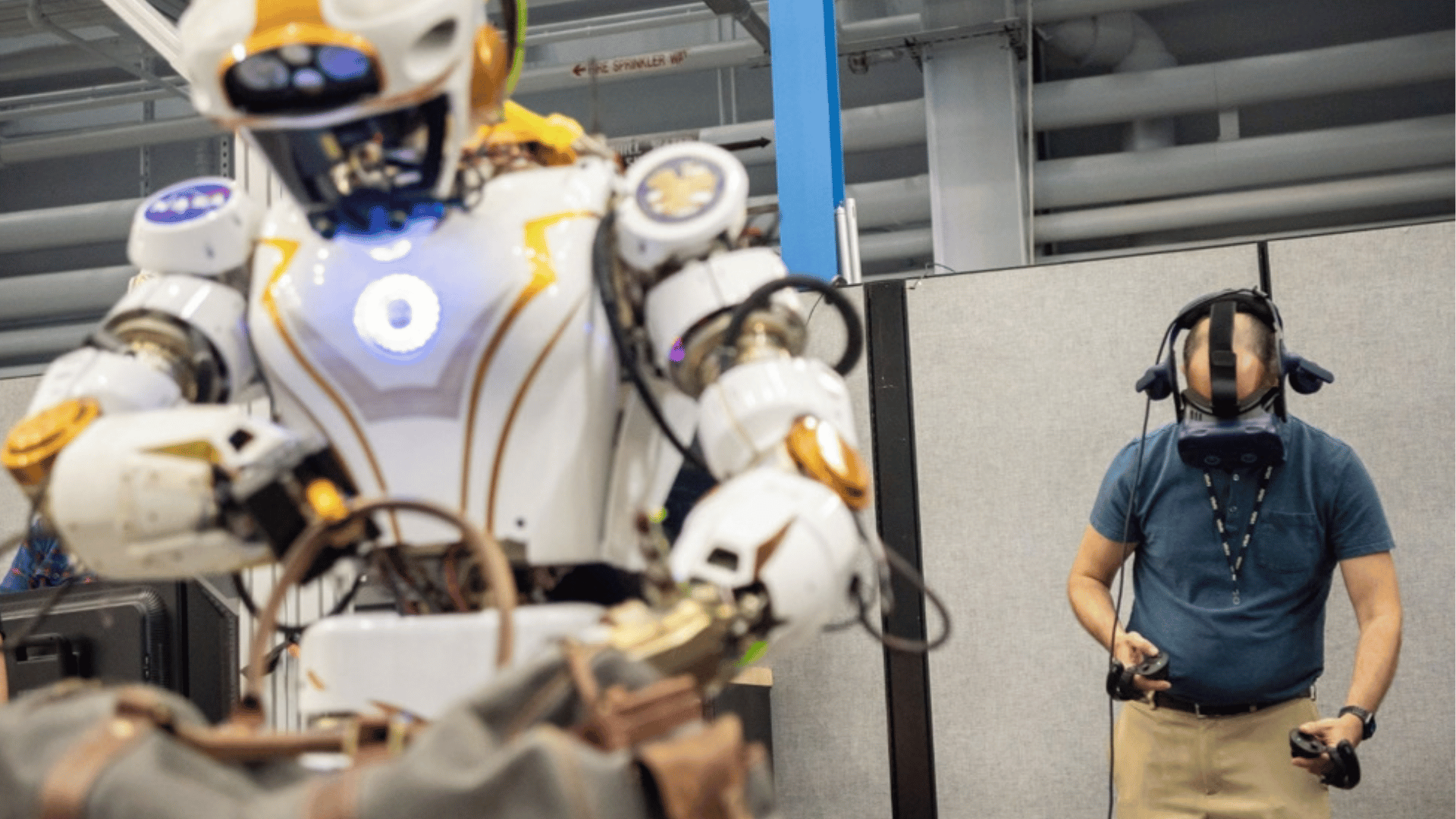
The team worked on Robonaut 2, a robot that spent seven years on the International Space Station. Now, they are helping plan the first Moon Base and sharing their tech with oil and gas companies.
“Our work is a combination of technology research and development, and applied technology on the operational side,” Azimi said.
NASA built a testing space called iMETRO to determine what works. It has space habitat mockups and an outdoor rock yard. A company called PickNik Inc. recently used the space to teach a robot arm how to open a spacecraft door and move cargo.
Advertisement
“It shows them the things we actually need done so they don’t have to speculate,” he said. “We can also bring together the people who are developing the robotic technologies – hardware, software, or both – with the people who are actually designing a lunar surface habitat or rover.”
Shared Spaces
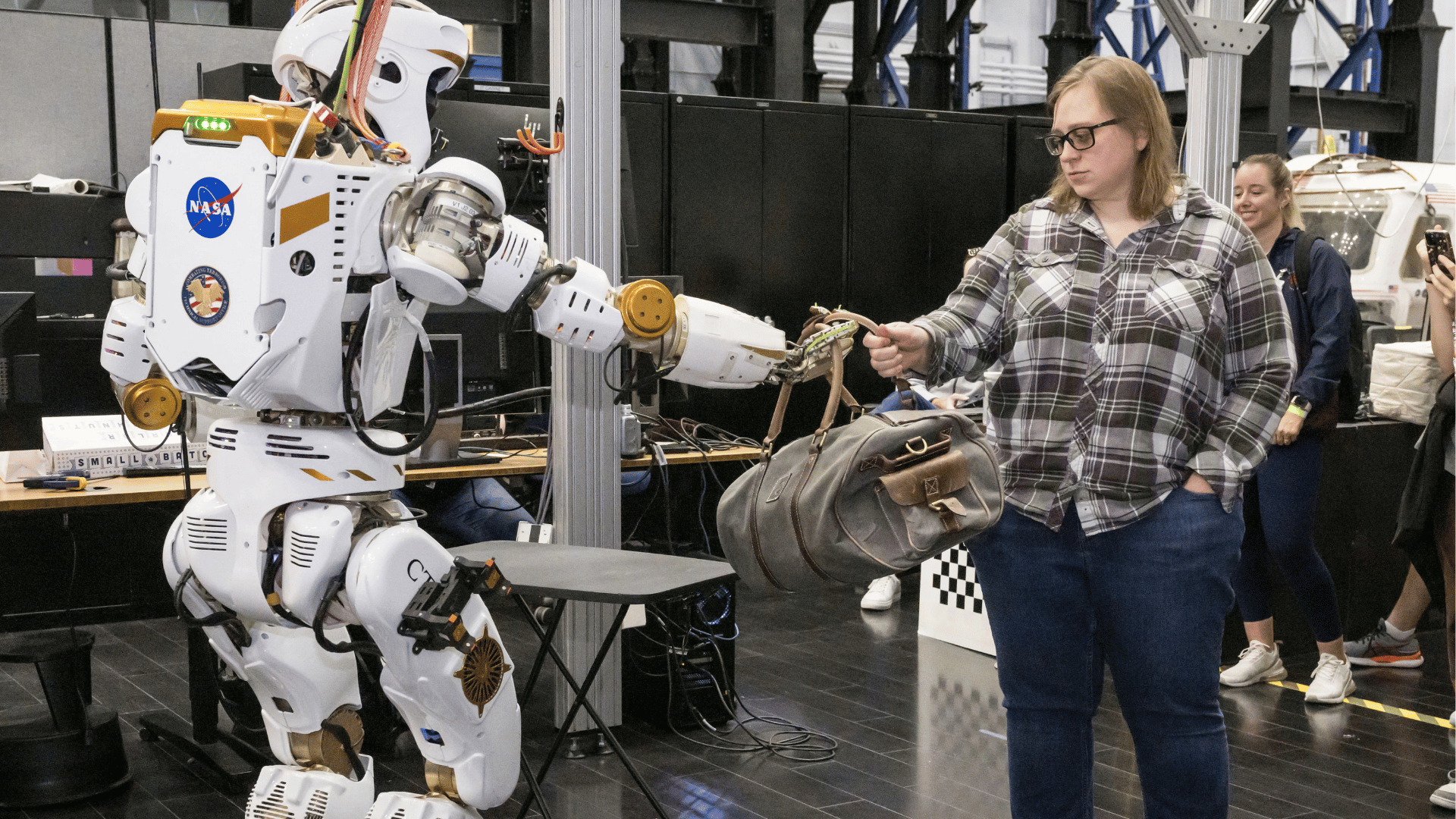
“They can learn about how robots perceive the world and interact with objects, and what is difficult for a robot compared to a human,” Azimi said. “It’s not necessarily a totally different interface, and something like a bigger handle or better lighting might make things easier for a person as well.”
The team is looking ahead to Mars next. But right now, they are focused on making sure astronauts and robots can safely share a workspace.
“It’s really about the human elements – either working in environments designed for humans or working alongside humans,” Azimi said. “That’s our niche. We’re uniquely positioned to bring in folks who are designing the human environments.”
 Read Exclusive Stories
 Bookmark & Save Articles For Later