What if you could hike the most challenging terrain on the planet and it felt like a level path? Vastnaut, a pioneer in wearable robotics, is unveiling the world’s first AI-powered 4×4 exoskeleton. This invention will help with human exploration and inspiration by bridging the gap between our physical limitations and the wonders of nature waiting to be discovered.
The Big Idea: Engineering Synergy
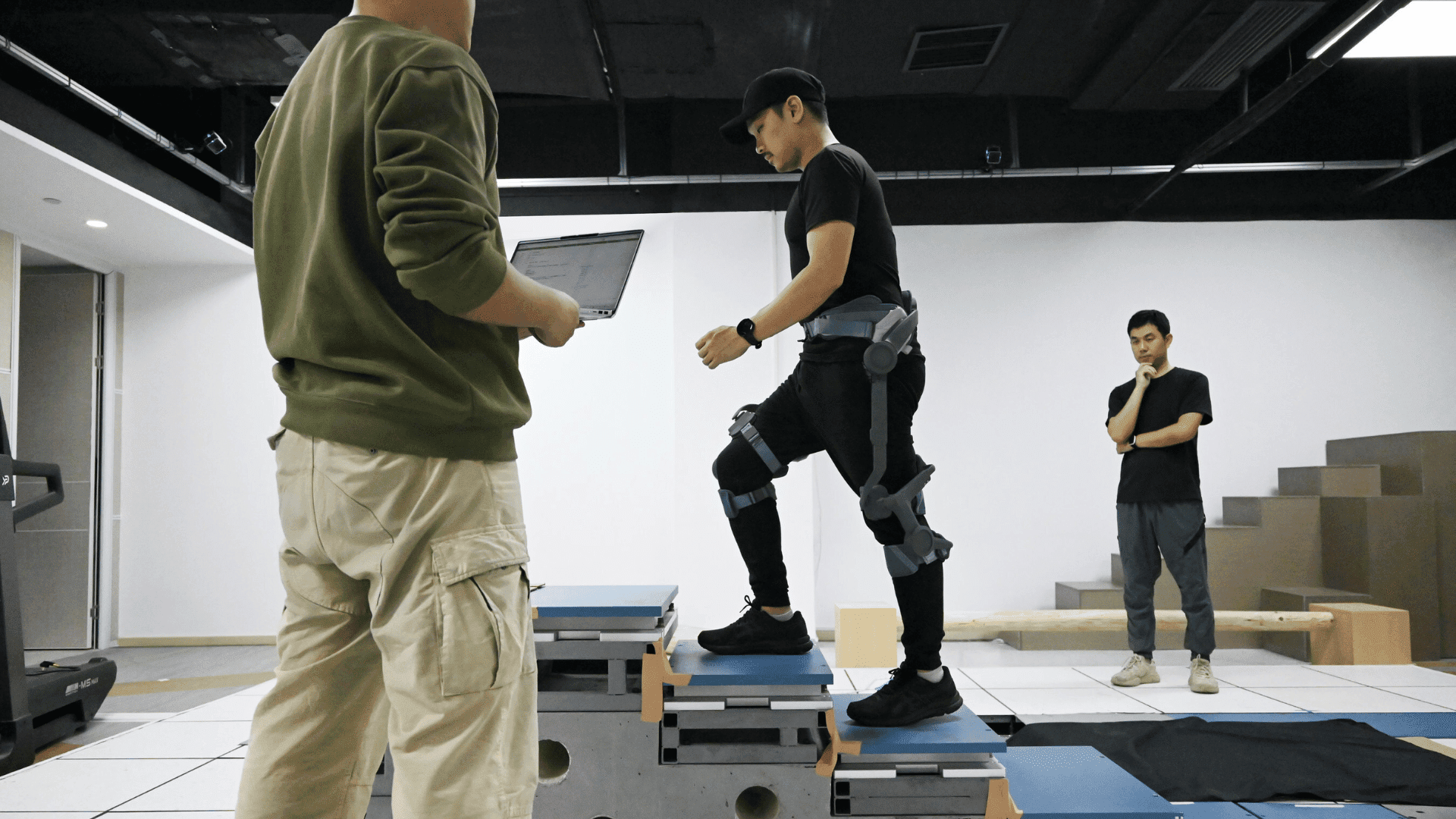
The Vastnaut 4×4 exoskeleton introduces the 4×4 Structure™, a breakthrough design featuring four powered joints and four high-performance motors.
It’s like the transition from a standard bicycle to a high-end mountain bike with intelligent suspension. Rather than pushing against the ground, the exoskeleton uses its VastSynergy™ AI Engine to read your body’s unique movement patterns in real-time. It maps your biological “moments”, tiny shifts in weight and muscle tension, and translates them into adaptive torque. Based on your movements, the exoskeleton calculates the exact amount of boost you need to your hips and knees to make difficult climbs easy.
Life Before: The Weight of the World
Before this invention, exploring rugged landscapes meant a heavy reliance on traditional boots, trekking poles, and raw physical stamina. Anyone who spends extended periods of time walking in nature, from professional field engineers to passionate hikers, often experiences fatigue, back strain, and a shrinking “explorable” radius.
Advertisement
The first iteration of consumer exoskeletons felt like “wearing” a machine because they were reactive and bulky. They also struggled to adjust to variations in terrain like sand, mud, or loose rock. Researchers needed to create something that felt less like a tool or machine. They needed something that felt more like an extension of the human body.
The Breakthrough: The ATD™ Revolution
The magic happens through Adaptive Torque Distribution (ATD™). For the first time in a consumer-ready wearable, true multi-joint coordination has been achieved.
- Predictive Power: Instead of waiting for you to struggle, the AI-driven motion framework anticipates your intent.
- Dynamic Balance: As you navigate a technical descent or an uneven rocky path, the four motors work in harmony to distribute power where it’s needed most, ensuring your every step is stable and consistent.
- Seamless Integration: Because the system is built on an end-to-end AI framework, there’s no “lag” between your thought and the machine’s action. Once you’re in motion, this synergy makes the hardware feel weightless.
The Future Outlook: A Planet Without Borders
The impact of Vastnaut’s technology stretches far beyond the weekend hiker. This invention could change how we interact with our planet. By lowering the physical barriers that could keep people from engaging with nature, we open the doors for a more diverse range of people to spend time outdoors. This could include anyone from researchers, who can now stay in the field longer, to aging adventurers who aren’t ready to hang up their boots.
In addition to allowing more people to enjoy nature, this could make remote infrastructure inspection safer, search-and-rescue operations faster, and environmental conservation more accessible in tomorrow’s world. As Vastnaut prepares for its 2026 Beta Test Program, this is a moment where technology finally learns to speak the language of human biomechanics.