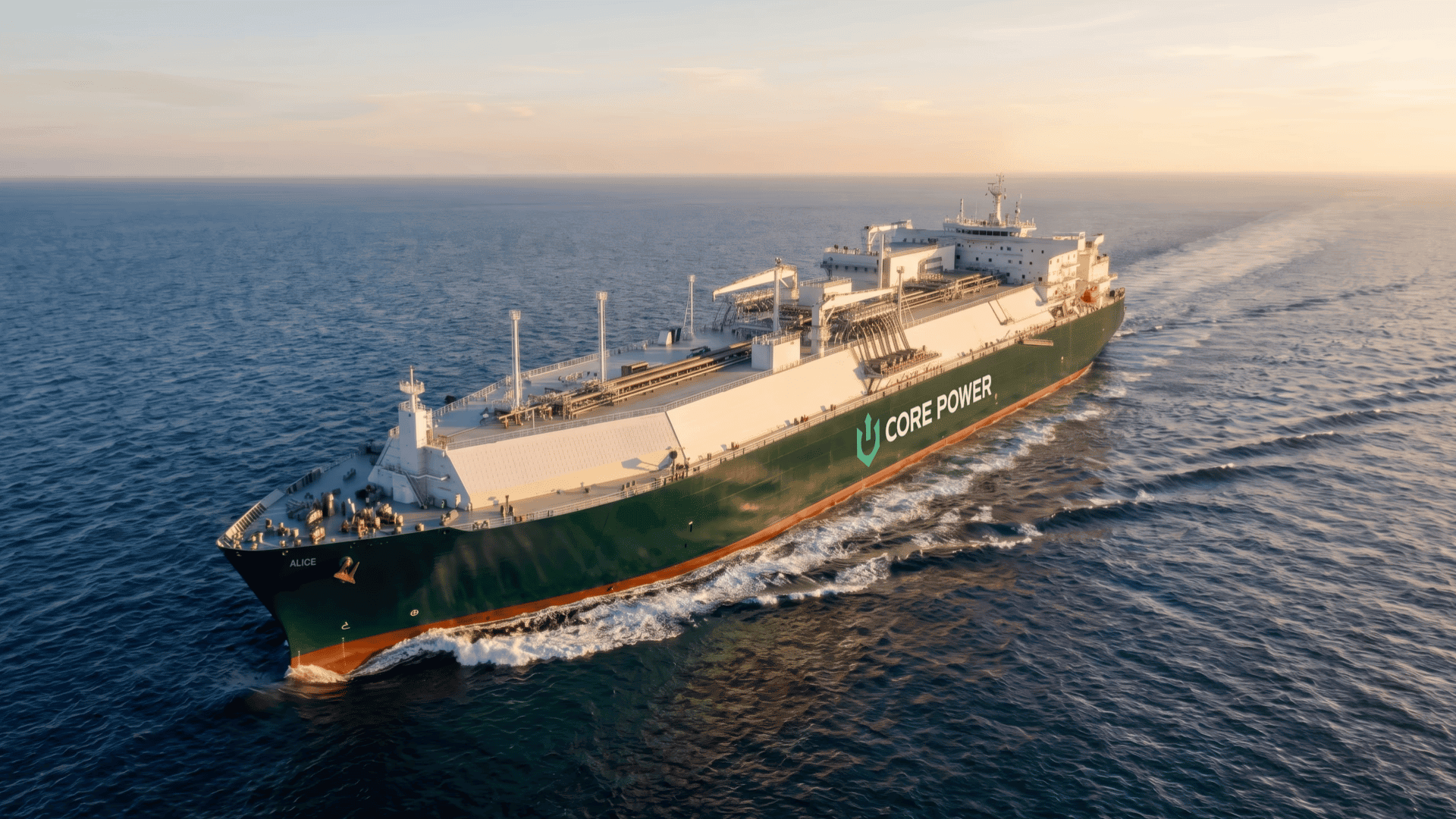
Energy and shipping are rapidly evolving. To keep up with the changes, the Port of Corpus Christi is exploring the use of nuclear energy. CORE POWER and the Port of Corpus Christi Authority (PCCA) agreed to study what it takes.
Two Paths Towards Maritime Nuclear Power
The study looks at two separate ideas. First, could the port host floating nuclear power plants to supply electricity to the port and the surrounding region? This means checking sites, grid connections, and customer needs.
Second, how can they safely handle commercial ships powered by nuclear energy? These ships need safe paths for transit and docking.
Keeping up with the Changes
Advertisement
“Port Corpus Christi, as the preeminent energy gateway in North America, is committed to remaining a leader in the global energy marketplace, even as that marketplace expands and evolves,” Jeff Pollack, Chief Strategy and Innovation Officer of the PCCA, explained. “This collaboration will help us understand what would be required technically, environmentally, operationally and commercially for floating nuclear power plants and future calls by nuclear-powered commercial ships to be considered in the real-world context of the Port. It is about gathering evidence and keeping our region competitive for future investment, industry, and high-value jobs.”
It is also a pressing matter for the technology side.
“Ports are where energy systems and global trade meet. For floating nuclear power plants, we need to understand sites, grids, customers, operating models and long-term service arrangements,” Mikal Bøe, CEO of CORE POWER, said. “For nuclear-powered commercial ships, we need safe and predictable pathways for transit, berthing and routine port operations.
Bøe continued, “Port Corpus Christi gives us a real operating environment in which to assess both pathways separately, but as parts of the complete industrial and regulatory system needed to make maritime nuclear commercially deployable. This is how we move from promising technology to products and infrastructure capable of supporting U.S. energy and maritime competitiveness.”
PCCA is also working with the U.S. Department of Transportation’s Maritime Administration. Together, they will see what U.S. seaports actually need to support these vessels and power plants.
This is strictly a preliminary fact-finding mission right now. No sites, technologies, or vendors have been selected, and no construction is approved.
 Read Exclusive Stories
 Bookmark & Save Articles For Later