Westinghouse Electric Company is spending roughly $1 billion to construct a new nuclear fuel factory at its Columbia Fuel Fabrication Facility in Hopkins, South Carolina. This marks the first fleet-scale nuclear fuel factory built in the U.S. in over 50 years.
The plant will produce commercial-scale Low Enriched Uranium Plus (LEU+) fuel. Construction is underway, and Westinghouse plans to open the factory in 2030.
Upgrading the Nuclear Fuel Sector
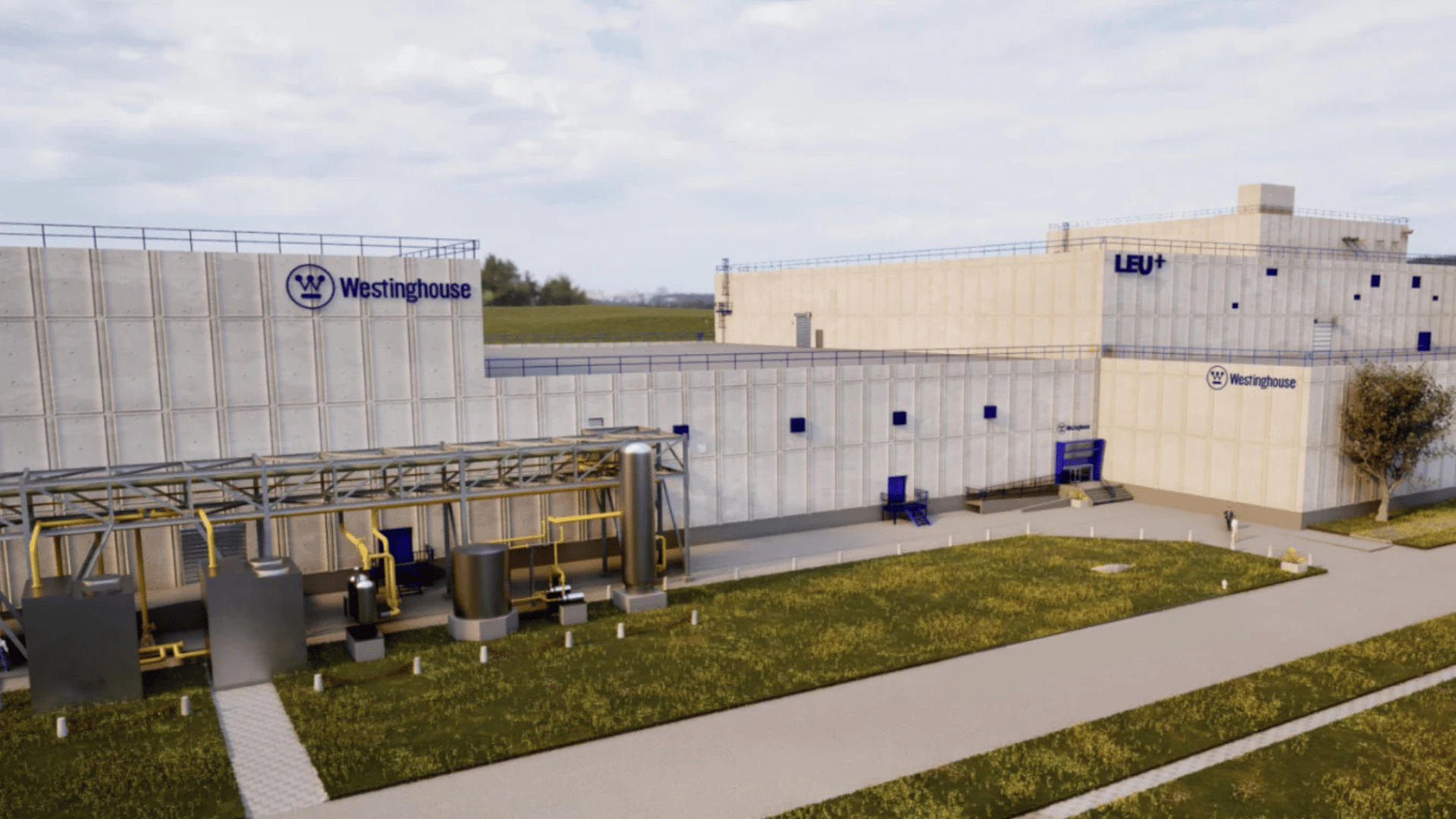
This new factory supports the U.S. UPRISE program, which focuses on expanding nuclear power output to meet growing demand. LEU+ fuel contains 5% to 8% enriched uranium, which is higher than traditional fuel. This lets reactors run longer between maintenance stops, lowering operating costs for power providers.
Westinghouse achieved its first U.S. delivery of LEU+ fuel in 2025. Expanding manufacturing in South Carolina will help keep today’s nuclear reactors running long-term while supporting AP1000 reactors around the world.
Advertisement
“A strong American nuclear industry starts with a secure, domestic supply of nuclear fuel,” said Assistant Secretary for Nuclear Energy Ted Garrish. “The Department of Energy is investing billions to restore American uranium enrichment capabilities for both low-enriched uranium and high-assay low-enriched uranium.”
Garrish added, “Westinghouse’s nearly $1 billion investment in South Carolina builds on that effort by expanding the manufacturing capacity needed to turn enriched uranium into fuel that powers our existing reactors and supports the next generation of nuclear technology.”
A Major Economic Boost
The original Columbia facility was built in 1968 and is one of the largest nuclear fuel plants in the world. It already employs over 1,200 workers who make fuel pellets, rods, assemblies, and components.
“Westinghouse has been a leader in the nuclear industry for 90 years and continues innovating the next frontier in nuclear technology,” said Dan Sumner, President and Chief Executive Officer of Westinghouse. “As we advance the next generation of fuel, we are positioned to create more value for our customers and unlock new nuclear generation to support the growing demand for baseload power.”
A University of South Carolina study projects that this project will add $4.9 billion to South Carolina’s economy over the next decade, with $3.8 billion directly benefiting Richland County.
 Read Exclusive Stories
 Bookmark & Save Articles For Later